
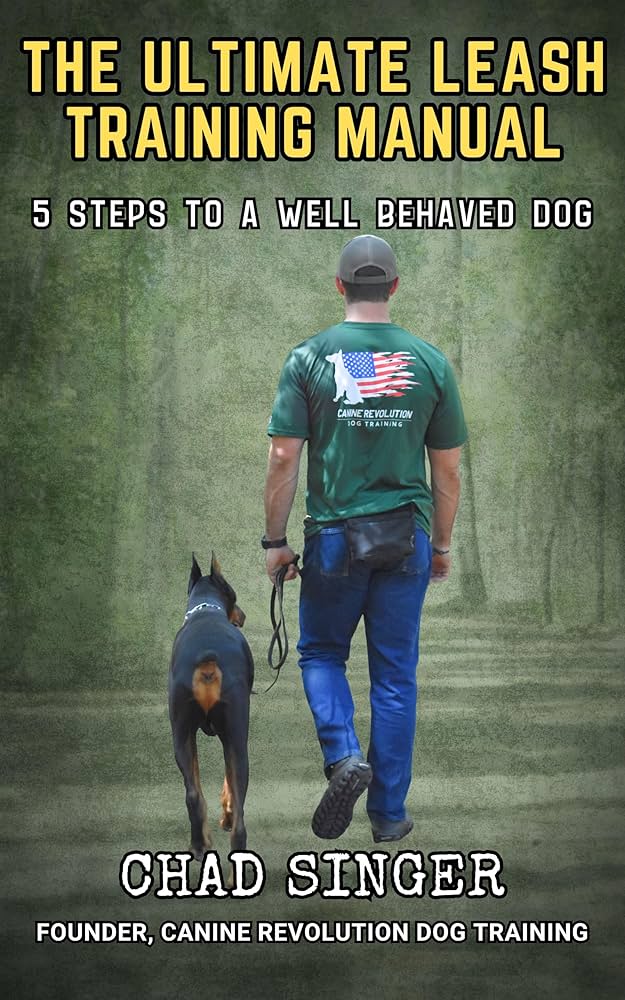
Walking your beloved canine companion should be a source of joy and relaxation, but for many owners, it’s become an exhausting battle of wills. If your dog, especially an older one, pulls relentlessly on the leash, you’re not alone. This behavior can be frustrating and even lead to potential accidents. Fortunately, it’s never too late to teach your dog better leash manners and reclaim the peaceful walks you both deserve. This guide will walk you through the process, offering insights and practical steps to transform your walks from a tug-of-war into a harmonious stroll.
Understanding the Challenge of Leash Pulling
The command “Heel” is more than just a word; it’s the key to unlocking a more enjoyable walking experience. However, teaching a dog to walk calmly beside you isn’t always simple. When dogs leave the comfort of their home, their senses are bombarded with a multitude of smells and sights, which can easily lead to overstimulation. This is particularly true for older dogs whose ingrained habits, developed over years, can be more challenging to modify than those of puppies. Despite the uphill battle, with consistent effort and patience, significant improvements can be seen within a few weeks. Addressing leash pulling is crucial not only for your well-being but also for your dog’s safety, preventing dangerous situations like them running into traffic.
Essential Preparations for Training
Before embarking on your training journey, ensure you have the necessary supplies. Stock up on high-value dog treats – these can be store-bought or simply small pieces of your dog’s favorite food. Designate a quiet training space free from distractions to help your dog focus. A secure training leash and, potentially, a well-fitting harness are also essential tools. Most importantly, gather an ample supply of patience and maintain an optimistic outlook. With these elements in place, you’re ready to begin teaching your dog the “Heel” command.
Implementing the “Heel” Training Method
Once you’re equipped with the essentials, it’s time to put your dog on the leash and start addressing their pulling behavior. The core principle is to reward the desired behavior – walking calmly by your side – and to discourage pulling. When your dog walks beside you without tension on the leash, offer a treat and praise. If your dog begins to pull ahead, immediately stop walking. Only resume walking when the leash slackens. This teaches your dog that pulling halts forward movement, while a loose leash allows them to continue the walk. Consistency is key; ensure every member of the household follows the same training method. Remember, this process requires time and repetition, especially for older dogs. Patience and positive reinforcement will yield the best results. If you’re struggling with a particular aspect of your dog’s behavior, exploring resources on how to train a dog where to poop outside might offer transferable training principles.
Addressing Setbacks and Maintaining Progress
It’s natural to encounter setbacks during the training process. Your dog might have moments where old habits resurface, especially in distracting environments. If your dog pulls excessively, don’t get discouraged. Simply stop, wait for the leash to loosen, and then continue. Avoid yanking or harshly correcting your dog, as this can create fear and anxiety, hindering progress. Gradually introduce more challenging environments as your dog becomes more proficient. For instance, move from a quiet room to your backyard, then to a quiet street, and eventually to busier areas. Celebrate small victories and maintain a positive attitude. Sometimes, understanding related behaviors can be helpful; for example, learning how to stop my puppy jumping up at strangers can offer insights into managing excitement and impulse control.
Conclusion: Enjoying Peaceful Walks Together
Teaching an older dog to walk calmly on a leash is a rewarding endeavor that strengthens your bond and enhances your quality of life. By understanding the underlying reasons for pulling, preparing adequately, and consistently applying positive reinforcement techniques, you can achieve remarkable results. Remember that patience, consistency, and a positive attitude are your most valuable training tools. With dedication, you and your canine companion can look forward to many more enjoyable and peaceful walks together. If you encounter persistent issues, consider consulting a professional dog trainer for personalized guidance.