
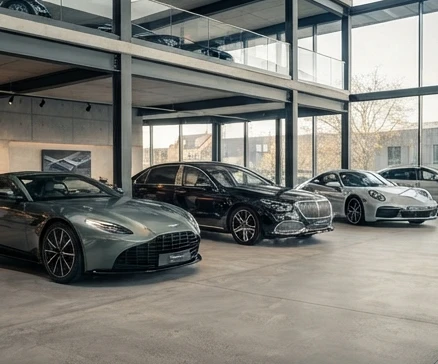
The top 50 luxury car brands include ultra-luxury makers like Rolls-Royce, Bentley, and Mercedes-Maybach; performance brands such as Ferrari, Lamborghini, Porsche, and McLaren; premium leaders including Mercedes-Benz, BMW, Audi, and Lexus; and electric-focused brands like Lucid and Rimac.
Choosing among the top 50 luxury car brands can be difficult because premium automotive manufacturers compete in different ways: some focus on craftsmanship, others on performance, comfort, technology, heritage, or exclusivity. This guide gives buyers a consistent framework to compare luxury vehicle brands and narrow their shortlist based on the type of ownership experience they want.
The top luxury car brands are not ranked by sales alone. A balanced evaluation considers prestige, craftsmanship, performance, comfort, innovation, and ownership positioning. Brands such as Rolls-Royce, Bentley, Mercedes-Benz, Porsche, BMW, Lexus, Ferrari, Lamborghini, and newer electric-focused manufacturers occupy different luxury categories, so the best choice depends on personal priorities rather than a single universal winner.
Top 50 luxury car brands ranked by position and prestige
A luxury brand ranking should be viewed as a comparison of market position, identity, and strengths rather than an official industry score. The following list groups brands by their overall luxury positioning, including ultra-luxury makers, performance-focused marques, traditional premium manufacturers, and emerging electric luxury companies.
| Brand | Country | Luxury category | Primary strength | Representative flagship |
|---|---|---|---|---|
| Rolls-Royce | United Kingdom | Ultra-luxury | Bespoke craftsmanship and exclusivity | Phantom |
| Bentley | United Kingdom | Ultra-luxury | Handcrafted grand touring | Flying Spur |
| Mercedes-Maybach | Germany | Ultra-luxury | Executive luxury and customization | S-Class Maybach |
| Ferrari | Italy | Performance luxury | Racing heritage and exclusivity | 812 Superfast |
| Lamborghini | Italy | Performance luxury | Exotic design and emotional appeal | Revuelto |
| Porsche | Germany | Performance luxury | Sports engineering and driving focus | 911 |
| Aston Martin | United Kingdom | Performance luxury | British grand touring character | DB series |
| McLaren | United Kingdom | Performance luxury | Lightweight engineering and supercar technology | Artura |
| Mercedes-Benz | Germany | Premium luxury | Broad luxury range and advanced engineering | S-Class |
| BMW | Germany | Premium luxury | Driving dynamics and technology | 7 Series |
| Audi | Germany | Premium luxury | Design, technology, and refinement | A8 |
| Lexus | Japan | Premium luxury | Refinement and ownership reputation | LS |
| Genesis | South Korea | Premium luxury | Modern design and value-focused luxury | G90 |
| Maserati | Italy | Performance luxury | Italian style and performance character | GranTurismo |
| Jaguar | United Kingdom | Premium luxury | Heritage and distinctive design | XJ legacy |
| Volvo | Sweden | Premium luxury | Safety-focused premium positioning | XC90 |
| Cadillac | United States | Premium luxury | American luxury heritage and technology | Celestiq |
| Lincoln | United States | Premium luxury | Comfort-oriented executive design | Navigator |
| Acura | Japan | Premium luxury | Engineering-focused premium vehicles | RLX legacy |
| Infiniti | Japan | Premium luxury | Design and comfort | QX series |
| Genesis Magma | South Korea | Performance luxury | Emerging performance identity | Future performance models |
| Alfa Romeo | Italy | Performance luxury | Italian driving character | Giulia Quadrifoglio |
| Lotus | United Kingdom | Performance luxury | Lightweight sports engineering | Emira |
| Alpine | France | Performance luxury | Compact sports performance | A110 |
| Polestar | Sweden | Electric luxury | Scandinavian EV design | Polestar 5 |
| Lucid | United States | Electric luxury | EV technology and premium innovation | Air |
| Rimac | Croatia | Electric performance luxury | Hypercar electrification | Nevera |
| NIO | China | Electric luxury | Digital EV experience | ET series |
| Hongqi | China | Ultra-luxury | Government and executive luxury heritage | L5 |
| DS Automobiles | France | Premium luxury | French design and comfort | DS 9 |
| Bugatti | France | Ultra-luxury performance | Hypercar exclusivity | Chiron |
| Koenigsegg | Sweden | Ultra-performance luxury | Engineering innovation | Jesko |
| Pagani | Italy | Ultra-luxury performance | Artistry and handcrafted vehicles | Huayra |
| Spyker | Netherlands | Exotic luxury | Aviation-inspired design | C8 |
| Morgan | United Kingdom | Boutique luxury | Traditional craftsmanship | Plus Four |
| Bentley Mulliner | United Kingdom | Bespoke luxury division | Personalization | Custom commissions |
| Mercedes-Benz | Germany | Executive premium | Luxury breadth and engineering | S-Class |
| BMW Alpina | Germany | Performance luxury | Refined performance touring | B7 legacy |
| Maybach | Germany | Ultra-luxury | Chauffeur-focused comfort | GLS Maybach |
| Lancia | Italy | Heritage luxury | Italian automotive history | Pu+Ra concept |
| Togg | Turkey | Electric premium | Emerging smart mobility | T10X |
| VinFast | Vietnam | Electric premium | EV expansion and technology focus | VF models |
| Karma Automotive | United States | Electric luxury | Boutique electric vehicles | Gyesera |
| Faraday Future | United States | Electric luxury | Technology-driven concept | FF models |
| DS Performance | France | Performance premium | Motorsport-inspired identity | DS racing projects |
| Acura Type S | Japan | Performance premium | Sport-oriented luxury | Type S models |
| Infiniti Performance | Japan | Performance premium | Sport luxury positioning | Q models |
| Maserati Fuoriserie | Italy | Bespoke performance luxury | Customization | Custom builds |
| Ferrari Icona | Italy | Ultra-exclusive performance | Limited-series heritage | Icona models |
| Lamborghini Squadra Corse | Italy | Motorsport luxury | Racing technology | Track-focused models |
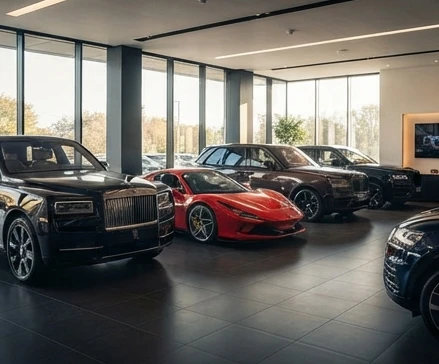
Ultra-luxury marques with exceptional craftsmanship
Ultra-luxury brands compete less on volume and more on personalization, scarcity, and customer experience. Rolls-Royce is widely associated with bespoke customization and exceptional engineering, while Bentley emphasizes handcrafted grand touring vehicles. Mercedes-Maybach extends Mercedes-Benz luxury into a more exclusive chauffeur-focused category.
In this segment, production numbers alone do not define success. Buyers typically evaluate the depth of customization, material choices, design flexibility, and the feeling of owning something created around individual preferences.
Premium and performance luxury manufacturers
Premium and performance luxury brands serve a wider audience while maintaining elevated engineering, design, and ownership experiences. Mercedes-Benz, BMW, Audi, Lexus, Porsche, and Genesis demonstrate how luxury can combine everyday usability with advanced technology.
Performance-focused manufacturers such as Porsche, Ferrari, Lamborghini, McLaren, and Aston Martin approach luxury through emotional connection and engineering character. Their appeal often comes from combining exclusivity with driving-focused design.
Ranking criteria used for the top luxury car brands
A reliable luxury vehicle brands list needs more than popularity. Luxury is a combination of measurable categories and market perception, so this ranking uses six evaluation areas.
The LUXE six-factor model provides a practical way to compare manufacturers that compete in different parts of the market.
- Evaluate prestige and brand recognition.
- Compare craftsmanship and material quality.
- Assess performance and driving character.
- Measure comfort and daily refinement.
- Review innovation and technology leadership.
- Consider ownership experience and support.
How prestige differs from sales popularity
High sales volume can increase awareness, but luxury status depends on more than the number of vehicles sold. A brand may rank highly because of heritage, exclusivity, design influence, or customer experience even if it produces fewer vehicles.
For example, Ferrari and Rolls-Royce operate with very different production strategies from Mercedes-Benz or BMW. Comparing them only by sales would ignore the reasons buyers value each brand.
Luxury versus premium manufacturer distinction
A premium manufacturer usually offers a broad range of upscale vehicles with advanced features and refined engineering. A luxury brand typically builds a stronger identity around craftsmanship, exclusivity, customer experience, or a distinctive ownership philosophy.
| Luxury segment | Main evaluation focus | Typical buyer expectation |
|---|---|---|
| Ultra-luxury marques | Craftsmanship, scarcity, bespoke options | Individualized ownership and exceptional exclusivity |
| Premium luxury manufacturers | Comfort, technology, reliability reputation | High-quality daily transportation |
| Performance luxury brands | Engineering, handling, driving emotion | Sporting capability combined with prestige |
| Electric luxury brands | Software, battery technology, design innovation | Modern premium mobility experience |
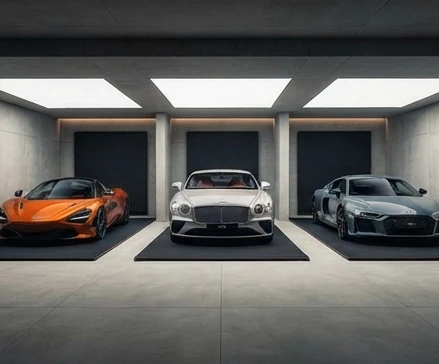
The difference becomes clearer when comparing a brand with a complete luxury lineup against a mainstream manufacturer that offers only one expensive model. A true luxury positioning usually appears across design language, service approach, engineering priorities, and customer experience.
Ultra-luxury car brands defined by exclusivity
The ultra-luxury segment represents the highest focus on personalization and scarcity. These manufacturers often create vehicles where craftsmanship and customization are central parts of ownership.
Heritage-focused luxury manufacturers
Historic luxury automakers often rely on decades of design identity and brand recognition. Rolls-Royce represents bespoke craftsmanship, while Bentley combines luxury touring with performance capability. Mercedes-Maybach connects modern technology with traditional executive comfort.
From an editorial review of luxury automotive positioning, the recurring failure mode is treating heritage as the only measure of luxury. A long history matters, but buyers should also examine current craftsmanship, technology, and ownership support.
A brand with heritage but limited innovation may appeal differently from a newer manufacturer creating a technology-focused luxury experience.
Exotic performance luxury specialists
Ferrari, Lamborghini, Bugatti, Pagani, and Koenigsegg demonstrate a different definition of luxury: engineering achievement and emotional impact. These brands prioritize performance identity, design drama, and exclusivity.
A buyer comparing these manufacturers should ask whether the goal is maximum prestige, maximum driving engagement, or a balance between both. A handcrafted hypercar and a comfortable executive sedan can both be luxury products while serving completely different needs.
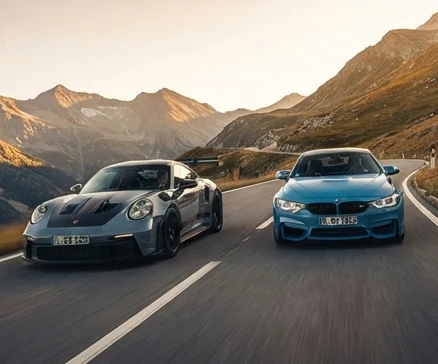
Performance luxury brands for driving enthusiasts
Performance luxury manufacturers combine premium materials and technology with engineering focused on driver engagement. They appeal to buyers who see driving character as a central part of luxury.
German performance luxury leaders
BMW, Mercedes-AMG, and Audi RS represent different approaches to performance luxury. BMW emphasizes driving dynamics, Mercedes-AMG combines luxury with high-output performance, and Audi RS focuses on technology and all-weather capability.
These brands show why the best luxury car brands in the world cannot be ranked by one feature. A buyer seeking a sporty experience may value different traits from someone prioritizing quiet comfort.
Specialist performance luxury manufacturers
Porsche occupies a unique position by combining sports car heritage with everyday usability. Maserati emphasizes Italian style and emotional appeal, while McLaren focuses heavily on lightweight engineering and supercar technology.
A useful decision rule is simple: if the priority is driver involvement, compare brands by handling philosophy and engineering identity rather than interior features alone.
Traditional premium brands and global luxury leaders
Traditional premium manufacturers form the largest part of the luxury market. They compete through comfort, technology, reliability reputation, and broad vehicle availability.
Comfort-focused executive luxury makers
Lexus, Volvo, and Genesis show different approaches to premium ownership. Lexus is often associated with refinement and ownership reputation, Volvo emphasizes safety-focused design, and Genesis presents a newer interpretation of modern luxury.
In practical luxury buying decisions, the easy-to-miss step is separating brand reputation from personal ownership needs. A buyer who values low-stress daily use may prioritize service access and comfort over exclusivity.
Luxury brands with broad international appeal
European manufacturers such as Mercedes-Benz, BMW, and Audi remain major global luxury names because they offer extensive lineups. Japanese brands including Lexus and Acura provide alternative approaches focused on refinement and engineering.
American luxury brands such as Cadillac and Lincoln maintain their own interpretations of comfort, space, and technology. Luxury brand ranking by country of origin can reveal different design philosophies, but it should not replace evaluating the actual ownership experience.
Electric luxury brands changing premium mobility
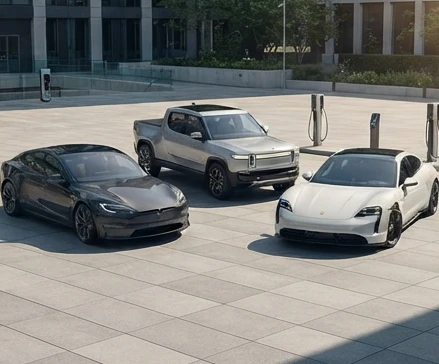
Electric vehicles are expanding the definition of luxury. Newer brands compete through software, battery technology, digital interfaces, and modern design rather than relying only on decades of heritage.
New electric challengers entering luxury markets
Lucid, Rimac, Polestar, NIO, and other electric-focused companies represent different paths into premium mobility. Rimac focuses on extreme electric performance, while Lucid emphasizes luxury EV technology and refinement.
Electric luxury brands should not be judged as direct replacements for traditional marques. The comparison depends on the buyer’s priorities: heritage and craftsmanship versus software integration and electric innovation.
Established brands adapting to electrification
Traditional luxury manufacturers are adding electric vehicles while maintaining existing brand identities. Mercedes-Benz, BMW, Audi, Porsche, and Lexus are examples of companies adapting premium experiences for new powertrains.
| Brand approach | Luxury advantage | Key proof points |
|---|---|---|
| Established luxury manufacturers | Heritage combined with electrification | Existing craftsmanship, dealer networks, and premium design |
| Electric-first luxury brands | Technology-led premium experience | Software integration, EV platforms, and new design approaches |
| Performance EV specialists | Acceleration and engineering innovation | High-output electric systems and driver-focused development |
Choosing the right luxury brand for your priorities
The best luxury brand depends on the experience a buyer wants. Instead of asking which brand is universally number one, compare brands against the reason you want a luxury vehicle.
Best luxury brands by buyer goal
| Buyer priority | Best-fit brand traits | Luxury category | Key advantage |
|---|---|---|---|
| Exclusivity | Bespoke design and limited production | Ultra-luxury | Rare ownership experience |
| Daily comfort | Quiet cabins, refinement, ownership support | Premium luxury | Balanced everyday usability |
| Driving enjoyment | Performance engineering and dynamic handling | Performance luxury | Engaging driving character |
| Future technology | EV innovation and digital integration | Electric luxury | Modern mobility features |
Comparing different definitions of luxury
Luxury choices often involve trade-offs. Craftsmanship may matter more than software features for one buyer, while another may prefer advanced technology over traditional heritage.
Use observable signals when comparing brands:
- Choose craftsmanship-focused brands when customization, materials, and exclusivity are the main priorities.
- Choose premium executive brands when comfort, practicality, and service accessibility matter most.
- Choose performance luxury brands when handling, motorsport influence, and emotional appeal are important.
- Choose electric luxury brands when digital features and EV innovation are the main attraction.
A buyer looking for the most prestigious car brands may reach a different conclusion from a buyer seeking the most reliable luxury car brands ranked by ownership factors. The right comparison depends on the definition of success.
Car Manufacturers and Their Luxury Brands takeaways for future research
Luxury rankings are most useful as a starting point, not a final purchase decision. Each manufacturer represents a different interpretation of premium mobility.
Before researching specific vehicles, create a shortlist of three to five brands and compare them using the same criteria: prestige, reliability reputation, comfort, performance, innovation, and ownership positioning. This prevents a common mistake: comparing an ultra-luxury marque, a sports car specialist, and an executive sedan manufacturer as if they offer identical experiences.
Create your shortlist today by selecting your top two priorities from prestige, comfort, performance, reliability, and technology, then match those priorities to the luxury categories above so your next vehicle search begins with brands that fit your intended ownership experience.
FAQ
What are the top 25 luxury car brands?
The top 25 luxury car brands include names such as Rolls-Royce, Bentley, Mercedes-Maybach, Ferrari, Lamborghini, Porsche, Aston Martin, McLaren, Mercedes-Benz, BMW, Audi, Lexus, Genesis, Maserati, Jaguar, Volvo, Cadillac, Lincoln, Acura, Infiniti, Alfa Romeo, Lotus, Alpine, Polestar, and Lucid.
What are the best luxury car brands in 2026?
The best luxury car brands in 2026 depend on the ownership experience you value most. Rolls-Royce and Bentley focus on craftsmanship, Porsche and Ferrari emphasize performance, Mercedes-Benz and BMW offer broad premium luxury, Lexus focuses on refinement, and brands like Lucid and Rimac represent electric luxury innovation.
What is the number one luxury car brand?
There is no single universal number one luxury car brand because luxury depends on priorities. Rolls-Royce is associated with bespoke craftsmanship and exclusivity, while other brands lead in performance, technology, comfort, or everyday usability.
What makes a car brand a luxury brand?
A luxury car brand typically combines craftsmanship, exclusivity, advanced engineering, refined design, strong customer experience, and a distinctive ownership philosophy. Luxury positioning is not determined by sales alone, because heritage, personalization, technology, and brand identity also influence perception.
Which luxury car brands are the most prestigious?
The most prestigious luxury car brands are often associated with exclusivity, heritage, craftsmanship, and emotional appeal. Rolls-Royce, Bentley, Ferrari, Lamborghini, Bugatti, Pagani, and Koenigsegg represent highly exclusive segments, while Mercedes-Benz, Porsche, BMW, and Lexus have broad global luxury recognition.