
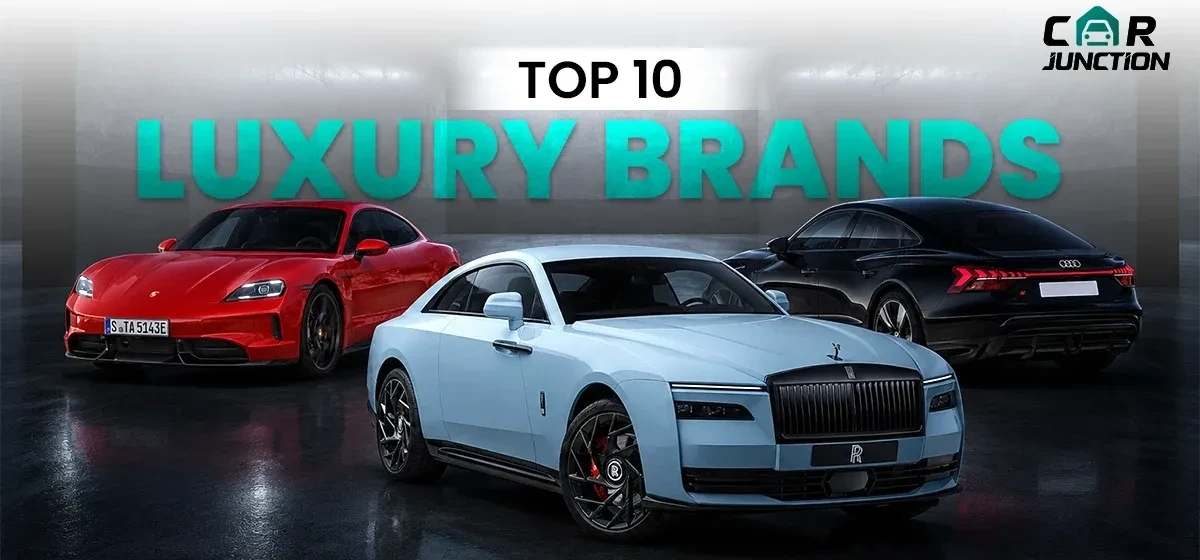
- Mercedes-Benz S-Class — Approx. ₹1.8 crore onwards
- BMW 7 Series — Approx. ₹1.9 crore onwards
- Range Rover — Approx. ₹2 crore onwards
- Porsche Cayenne — Approx. ₹1.4 crore onwards
- Rolls-Royce Phantom — Approx. ₹10 crore onwards
Luxury car buyers in India often face a simple problem: there are many expensive cars in India with price differences of several crores, but price alone does not explain which model fits a buyer’s lifestyle, driving preference, and ownership expectations. This guide helps you compare the top 10 luxury cars in India with price ranges, standout features, and practical ownership factors so you can create a focused shortlist.
The top luxury cars in India include models such as the Mercedes-Benz S-Class, BMW 7 Series, Audi A8 L, Range Rover, Porsche Cayenne, BMW XM, Mercedes-AMG GT, Porsche 911, Bentley Continental GT, and Rolls-Royce Phantom. Approximate starting prices range from around ₹1 crore for selected premium luxury models to more than ₹10 crore for ultra-luxury vehicles, depending on variant, customization, taxes, and location. Brands like Mercedes-Benz, BMW, Audi, Porsche, Bentley, and Rolls-Royce dominate the premium and ultra-luxury segments in India.
Top 10 luxury cars in India with current price ranges
India’s luxury car market covers several categories, from executive sedans designed around rear-seat comfort to performance vehicles focused on driving engagement. The right choice depends less on the highest price tag and more on how the car will be used.
Top 10 luxury cars in India with price ranges
| Car model | Starting price | Body type | Key strength | Ideal buyer |
|---|---|---|---|---|
| Mercedes-Benz S-Class | Approx. ₹1.8 crore onwards (variant and market dependent) | Luxury sedan | Rear-seat comfort and executive cabin technology | Buyers prioritizing chauffeur-driven travel |
| BMW 7 Series | Approx. ₹1.9 crore onwards (variant and market dependent) | Luxury sedan | Technology features with dynamic driving ability | Owners wanting a balance of comfort and involvement |
| Range Rover | Approx. ₹2 crore onwards (variant and market dependent) | Luxury SUV | Off-road capability with premium cabin space | Families seeking luxury SUV versatility |
| Porsche Cayenne | Approx. ₹1.4 crore onwards (variant and market dependent) | Luxury SUV | Performance-oriented SUV character | Buyers needing sportiness with practicality |
| BMW XM | Approx. ₹2.5 crore onwards (variant and market dependent) | Performance SUV | High-output powertrain and distinctive design | Buyers seeking an unusual performance SUV |
| Mercedes-AMG GT | Approx. ₹2.5 crore onwards (variant and market dependent) | Performance coupe | Grand touring performance and styling | Drivers wanting performance with luxury |
| Porsche 911 | Approx. ₹2 crore onwards (variant and market dependent) | Sports car | Handling focus and iconic performance character | Driving enthusiasts |
| Bentley Continental GT | Approx. ₹5 crore onwards (variant and market dependent) | Grand tourer | Handcrafted luxury and effortless performance | Buyers seeking exclusivity and craftsmanship |
| Rolls-Royce Phantom | Approx. ₹10 crore onwards (variant and customization dependent) | Ultra-luxury sedan | Bespoke craftsmanship and exclusivity | Buyers seeking maximum personalization |
| Audi A8 L | Approx. ₹1.3 crore onwards (variant and market dependent) | Luxury sedan | Technology-focused premium cabin | Buyers seeking understated luxury |
Pricing for luxury cars in India changes with import duties, road tax, registration charges, optional equipment, and manufacturer updates. A buyer comparing models should treat ex-showroom price as the starting point rather than the complete ownership cost. All price-related claims are approximate and subject to market conditions.
How these luxury cars are evaluated for Indian buyers
Comparing luxury cars requires more than checking horsepower figures or infotainment features. A useful evaluation method considers purchase positioning, comfort, performance character, and ownership support together.
From an editorial review of automotive content, the recurring failure mode is comparing vehicles only by specifications while ignoring how the car will be used daily. A rear-seat-focused sedan and a performance SUV may have similar price points but serve completely different buyers.
PRICE Comfort Performance Support Framework
- Compare purchase price and variant positioning.
- Assess comfort features and cabin suitability.
- Review performance character and driving purpose.
- Evaluate service ecosystem and ownership support.
Ex-showroom price provides the first comparison point, but features such as cabin materials, seat configuration, suspension tuning, and dealership accessibility often influence long-term satisfaction more than a single specification.
Horsepower and engine layout also need context. A high-output V8 engine can deliver strong acceleration and character, but buyers should consider whether they value performance response, quiet cruising, or everyday efficiency.
Infotainment systems, driver assistance technology, and connectivity features have become major differentiators. However, technology should be evaluated by usability: a feature that is rarely used adds less value than a well-integrated system that improves daily travel.
Luxury sedans and SUVs by buyer priority
Luxury vehicles serve different ownership patterns. Some buyers spend most journeys in the rear seat, while others choose these cars specifically for the driving experience.
Luxury models by ownership priority
| Model | Category | Best suited for | Driving focus | Comfort focus |
|---|---|---|---|---|
| Mercedes-Benz S-Class | Luxury sedan | Chauffeur-driven executive travel | Smooth and refined performance | Rear passenger comfort and advanced cabin features |
| BMW 7 Series | Luxury sedan | Owners needing both business and personal use | Balanced driver engagement | Premium rear seating and technology |
| Rolls-Royce Phantom | Ultra-luxury sedan | Maximum exclusivity and customization | Effortless power delivery | Bespoke rear cabin experience |
| Porsche 911 | Sports car | Self-driven performance enthusiasts | High driving involvement | Focused rather than chauffeur-oriented comfort |
Models focused on rear seat comfort
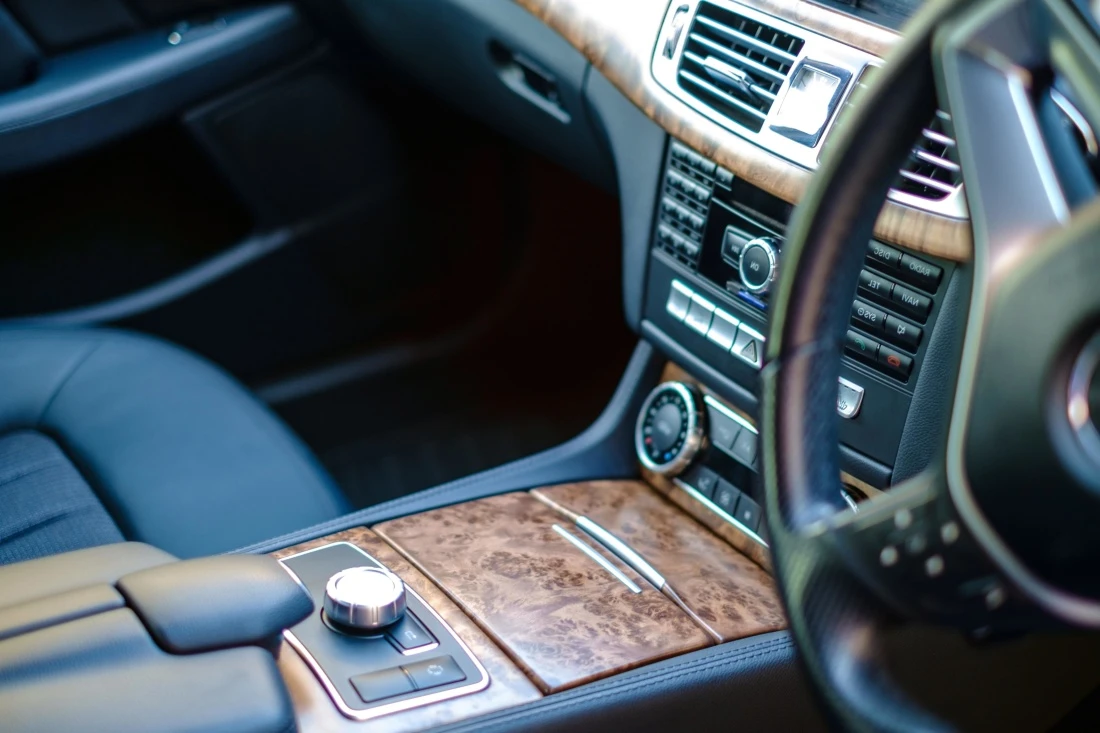
The Mercedes-Benz S-Class, BMW 7 Series, and Rolls-Royce Phantom represent different levels of passenger-oriented luxury. These cars prioritize cabin silence, rear-seat space, climate control options, and executive features.
For chauffeur-driven owners, the most important checks are not limited to exterior design. Rear legroom, seat adjustment range, ride comfort over varied roads, and ease of entering and exiting the vehicle should influence the final decision.
A Rolls-Royce Phantom separates itself through personalization. Buyers choosing this category are usually paying for bespoke options and exclusivity rather than only transportation capability. Ultra-luxury cars like the Rolls-Royce Phantom stand out due to their bespoke craftsmanship, rare materials, and extensive personalization options, which justify their premium pricing.
Models focused on driving engagement
Performance-focused buyers typically look beyond luxury branding. The Porsche 911 emphasizes handling precision, while the Mercedes-AMG GT combines grand touring comfort with stronger performance character. The BMW XM offers a different approach by bringing performance SUV capability.
In practical automotive buying decisions, the easy-to-miss step is matching the vehicle format to actual usage. A sports car may deliver excitement but may not suit frequent family travel, while a large SUV may offer practicality but feel less focused on tight driving roads.
Ownership support across luxury car brands in India
The ownership experience begins after delivery. Luxury car buyers should evaluate dealership access, warranty terms, scheduled maintenance requirements, and service support before finalizing a purchase.
A safer way to check is to confirm whether authorized service facilities are available where the vehicle will spend most of its time, especially if the buyer lives outside major metropolitan areas. Limited service accessibility can become a practical issue even when the vehicle itself meets expectations.
Luxury Ownership Cost Checklist
- Verify authorized service center availability in the city where the vehicle will be maintained before booking the car.
- Review warranty coverage and scheduled maintenance terms to understand included services and exclusions.
- Estimate insurance, registration, road tax, and maintenance expenses before comparing final ownership cost.
- Compare after-sales support expectations across shortlisted luxury brands instead of judging only by showroom experience.
Warranty support differs between brands and models, so buyers should review official policies and authorized dealer documentation for the exact vehicle variant. Extended warranty availability, service packages, and roadside assistance options can influence long-term ownership decisions.

Depreciation is another consideration. Luxury vehicles can lose value differently depending on brand demand, model popularity, maintenance history, and market conditions. A buyer focused on resale should research demand for the specific model rather than assuming every expensive car retains value equally.
Efficiency and sustainability factors in luxury cars
Luxury cars increasingly combine performance with efficiency-focused technology. Buyers comparing premium vehicles should consider powertrain type, charging access, driving patterns, and environmental priorities.
Luxury car powertrain comparison
| Powertrain type | Main advantage | Efficiency consideration | Buyer suitability |
|---|---|---|---|
| High-performance petrol engine | Strong power delivery and performance character | Typically higher fuel consumption than efficiency-focused alternatives | Drivers prioritizing performance |
| Hybrid luxury powertrain | Reduced fuel use through electric assistance | Benefits depend on driving conditions and battery system | Buyers wanting performance with improved efficiency |
| Electric luxury vehicle | Quiet operation and zero tailpipe emissions during use | Requires suitable charging access and planning | Owners with reliable charging infrastructure |
Fuel efficiency varies significantly between luxury sedans, SUVs, and performance cars because vehicle weight, aerodynamics, engine output, and driving style all affect consumption. A large SUV with a powerful engine generally requires different expectations from a smaller luxury sedan.
Environmental considerations should be evaluated through the entire ownership pattern. An electric luxury vehicle may suit a buyer with reliable home charging, while a high-performance petrol model may appeal to someone prioritizing long-distance convenience and engine character.
V8 engine models remain attractive for their sound, power delivery, and performance identity, but buyers should understand that larger performance engines usually involve higher fuel requirements compared with hybrid or electric alternatives.
What buyers receive from ultra-luxury vehicles
Ultra-luxury cars occupy a different segment from premium luxury models. The additional cost is not only connected to performance or features but also to customization, craftsmanship, and exclusivity.
Models such as the Rolls-Royce Phantom demonstrate this difference clearly. Buyers entering this segment often value personalized interiors, rare materials, individual specification choices, and the ownership experience associated with limited-volume vehicles.
Paying more becomes meaningful when those elements match the buyer’s priorities. If the goal is simply comfortable transportation, a premium luxury sedan may provide similar core functions at a lower cost. If personalization and exclusivity are central, ultra-luxury vehicles offer a different ownership proposition.
The gap between luxury and ultra-luxury is often measured by customization possibilities and attention to detail rather than basic specifications. A buyer should identify whether those differences will be used and appreciated before moving into the highest price categories.
Choosing the right luxury car for your budget
The best luxury car choice depends on budget, intended use, and ownership expectations. A buyer looking for a daily vehicle may make a different decision from someone purchasing a weekend performance car or a chauffeur-driven sedan.
Popular choices by ownership style
Budget planning should include more than the purchase figure. Import duty, road tax, insurance, optional customization, and service requirements can significantly affect the final ownership commitment for imported luxury vehicles.
- Daily commuter luxury models: Luxury sedans such as the Mercedes-Benz S-Class, BMW 7 Series, and Audi A8 L suit buyers who value refinement, technology, and executive comfort.
- Family travel luxury SUVs: Models such as the Range Rover and Porsche Cayenne provide higher seating, flexible space, and broader usability.
- Collector focused exotic cars: Vehicles such as the Porsche 911, Bentley Continental GT, and Rolls-Royce Phantom appeal to buyers prioritizing character, exclusivity, or long-term interest.
| If | Then |
|---|---|
| Rear-seat comfort and chauffeur use are the main priorities | Choose a luxury sedan designed around passenger refinement, rear-seat space, and cabin features. |
| Driving involvement and performance response are the main priorities | Choose a performance-focused model with stronger emphasis on handling, acceleration, and driver feedback. |
| Family travel and everyday versatility are the main priorities | Choose a luxury SUV offering greater cabin flexibility, luggage capacity, and road capability. |
| Maximum exclusivity and personalization are the main priorities | Consider ultra-luxury brands where customization and ownership experience are central factors. |
A buyer searching for the best luxury cars under 1 crore in India should understand that the entry point into luxury ownership depends heavily on model year, variant, and market availability. Used luxury vehicles may provide access to premium brands at lower purchase prices, but maintenance history becomes a critical evaluation factor.
For buyers comparing the top selling luxury cars in India 2026, resale demand, dealership coverage, and ownership convenience can be as important as acceleration or badge appeal. Popularity does not automatically mean the best fit; it indicates market acceptance that should be combined with personal requirements.
Factors beyond the sticker price include:
- Insurance and registration costs that vary according to vehicle value and location.
- Service availability based on the nearest authorized dealership network.
- Maintenance planning based on manufacturer schedules and ownership duration.
- Depreciation expectations based on model demand and market conditions.
Choose three models from this list today, compare their official variant specifications, and visit authorized dealerships for pricing confirmation because this reduces the risk of selecting a luxury car based only on appearance or headline price.
FAQ
What are the top 10 luxury cars in India with prices?
The top 10 luxury cars in India include the Mercedes-Benz S-Class, BMW 7 Series, Range Rover, Porsche Cayenne, BMW XM, Mercedes-AMG GT, Porsche 911, Bentley Continental GT, Rolls-Royce Phantom, and Audi A8 L. Approximate starting prices range from around ₹1 crore for selected premium luxury models to more than ₹10 crore for ultra-luxury vehicles.
Which is the most expensive luxury car in India?
The Rolls-Royce Phantom is among the most expensive luxury cars in India, with an approximate starting price of ₹10 crore onwards depending on customization and market factors. Its premium positioning comes from bespoke craftsmanship, rare materials, extensive personalization options, and an exclusive ownership experience.
What are the best luxury car brands in India?
The best luxury car brands in India include Mercedes-Benz, BMW, Audi, Porsche, Bentley, and Rolls-Royce. These brands offer different ownership experiences, from executive sedans focused on comfort and technology to performance vehicles and ultra-luxury models built around customization and exclusivity.
Which luxury car has the highest resale value in India?
Luxury car resale value depends on the specific model, brand demand, maintenance history, popularity, and market conditions. Buyers focused on resale should research demand for their shortlisted model rather than assuming every expensive luxury vehicle will retain value equally.
Are luxury cars under 1 crore available in India?
Luxury cars under 1 crore in India depend on model year, variant, and market availability. Used luxury vehicles may provide access to premium brands at lower purchase prices, but buyers should carefully evaluate maintenance history, ownership costs, and service support before making a decision.