
Embarking on the journey of dog ownership often involves navigating the challenges of walks, and for many, “loose leash walking” remains an elusive goal. The image of a dog happily trotting alongside its owner, with a relaxed leash, is the ideal. However, the reality can often be a frustrating tug-of-war, leading to unpleasant outings, potential injuries, and a strained bond between pet and owner. This guide delves into the essential strategies and techniques to transform your dog walks from a daily struggle into a harmonious experience. Understanding and implementing these principles will not only enhance your enjoyment but also lay the foundation for a well-behaved canine companion.
What is Loose Leash Walking?
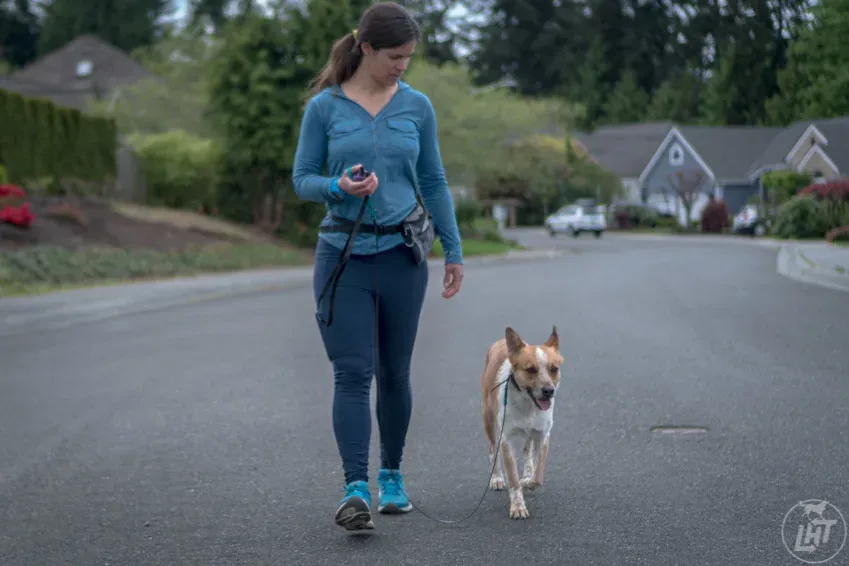
Loose leash walking (LLW) is defined by a dog walking calmly by its owner’s side without pulling on the leash. It’s crucial to understand that dogs do not instinctively know how to walk politely on a leash; this behavior must be taught. Various stimuli – other dogs, intriguing smells, potential marking spots, noises, and people – constantly vie for a dog’s attention, pulling them in different directions. Mastering LLW is more than just a pleasant walk; it’s a foundational skill that can positively influence other crucial behaviors and address issues such as leash reactivity, excessive marking, fear-based behaviors, and poor trail etiquette. Key characteristics of successful LLW include:
- No leash tension: The leash remains slack.
- “J” shaped leash: The leash hangs in a gentle curve.
- Dog at handler’s side: The dog walks in a position close to the owner.
- Controlled sniffing and marking: These behaviors occur on command, not constantly.
- Ignoring distractions: The dog remains focused on the handler despite external stimuli.
How Long Does It Take to Leash Train a Dog?
The timeline for achieving proficient loose leash walking varies significantly, largely dependent on the owner’s dedication and consistency in training. While some progress can be seen within weeks, achieving near-perfect walks may take a couple of months of consistent effort. This often involves multiple short, focused training sessions throughout the day, interspersed with periods of rest or “place” training. These sessions, even if just 20 minutes long, can be mentally exhausting for a dog, especially when focused on ignoring distractions and following the handler’s lead. The mental exertion required for structured walks is comparable to the fatigue experienced after driving in challenging weather conditions.
Essential Tools for Loose Leash Walking
Equipping yourself with the right tools can significantly boost your success rate in achieving loose leash walking. While fashion might take a backseat, functionality is key.
Treat Pouch
A treat pouch is indispensable for easily accessing high-value rewards during training. Pouches with a waist belt offer convenience, especially if your clothing lacks suitable pockets.
High-Value Treats
Utilize your dog’s regular meals as training rewards, supplemented with a few extra-tasty treats to maintain your dog’s engagement and anticipation. Feeding meals throughout the day during training sessions can increase your dog’s eagerness to please. For raw feeders, a squeeze bottle like a Goo Toob can be filled with meals for easy treat dispensing.
Collars and Leashes
While personal preferences vary, some trainers advocate for specific tools to enhance communication. For instance, prong collars and e-collars, when used under professional guidance, are believed by some to offer better communication channels than traditional flat collars or treat-only methods. Brands like Herm Sprenger and E-collar Technologies are often recommended, with an emphasis on purchasing directly from reputable sources to avoid counterfeit products. It is strongly advised to seek guidance from a professional trainer when considering these tools.
Alternatively, if these tools are not preferred, many other options exist. However, harnesses, including “no-pull” varieties, are often discouraged as they can be designed for pulling and may not facilitate effective communication. Similarly, head halters like the Gentle Leader, while preventing pulling, may not teach the dog to walk nicely on leash and can be uncomfortable for the dog. Retractable leashes are generally not recommended due to the potential for misuse, lack of control, and confusion they can cause dogs.
A sturdy Biothane leash is a popular choice for its durability, waterproof nature, and comfortable grip, proving to be a reliable option for training walks.
Clicker
A clicker can be an effective tool for precisely marking desired behaviors, signaling to your dog that they have performed correctly, similar to a verbal marker like “yes.”
Expert Tips for Loose Leash Walking
Transforming a pulling dog into a polite walking companion requires patience and a strategic approach. Professional trainers offer invaluable insights that can accelerate progress.
Implement Structured Walks
Structured walks serve a purpose beyond mere exercise. They demand significant mental effort from the dog and complete focus from the handler. During these walks, the dog’s sole job is to walk beside the handler. Sniffing, greeting, and potty breaks are typically reserved for specific times or separate from the structured walk itself. The objective is to establish leadership, teaching the dog to follow your lead. While they may seem restrictive, dogs often thrive with clear boundaries and structure.
Begin Training Indoors
Initial training sessions are best conducted indoors, away from the multitude of external distractions. This allows your dog to focus on the leash-walking skills without competing stimuli like other people, dogs, noises, or smells. Practice near doors or areas that typically trigger excitement for a walk, teaching your dog that approaching the door does not automatically mean an immediate outing. Reserve outdoor excursions for potty breaks or structured playtime in a safe, enclosed area until your dog is ready.
Prioritize Time Over Route
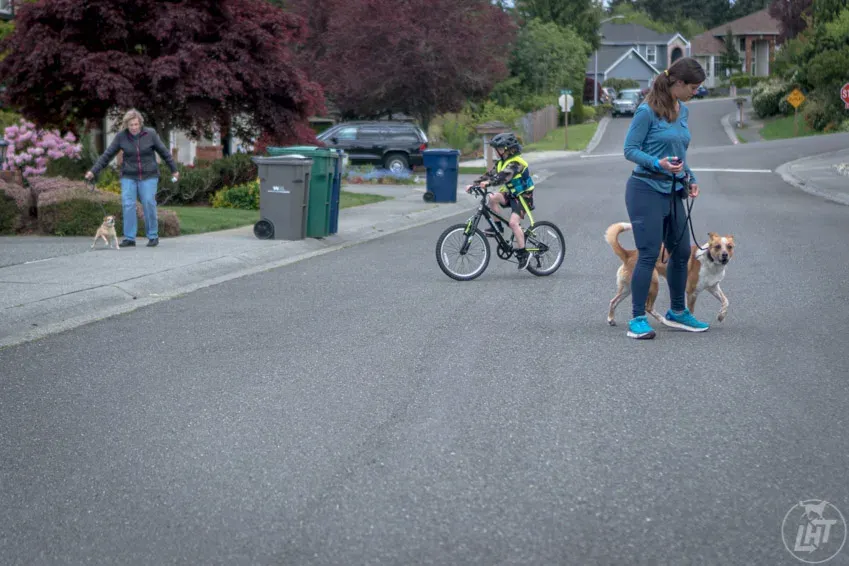
A pivotal shift in training is to focus on duration rather than a specific route. Instead of a habitual walk around the block, set a timer for a training session. This approach prevents the dog from anticipating familiar routes and potential distractions. During these timed walks, practice changing direction, walking back and forth in front of distractions, and avoiding other dogs. Even if it means walking back and forth on the same street for the entire session, it ensures the dog remains engaged and focused on the handler. This method ensures a “walk” is still achieved, just not dictated by a destination.
Incorporate Walking in Circles
Engaging in circular or figure-eight motions is highly effective. Whenever the dog applies pressure to the leash, the handler can immediately turn in the opposite direction. This technique reinforces that pulling halts forward movement and encourages the dog to stay close to the handler’s heel. Over time, this teaches the dog to anticipate the handler’s movements and coordinate their pace, establishing the human as the clear leader.
Teach Pressure-Release Techniques
Dogs naturally tend to move with pressure rather than against it. Teaching a dog to yield to gentle leash pressure, followed by a release and reward, can be highly effective. When a dog pulls, stop and apply slight opposing tension to the leash. As soon as the dog yields, release the pressure, mark the behavior (with a clicker or verbal cue), and reward. This consistent application every time the dog pulls reinforces the desired behavior. Aim for a 45-degree angle or perpendicular pull, guiding the dog in the intended direction rather than yanking.
Vary Your Pace
Altering your walking speed demonstrates your dog’s ability to focus on you amidst distractions. By transitioning between normal pace, running speed, and very slow paces, you challenge your dog to adjust their movement accordingly. Slowing down can be particularly effective for high-energy dogs, forcing them to concentrate on the walk and synchronize with your movements. This technique also proves useful when gradually introducing your dog to “scary” stimuli.
Learn to Read Your Dog’s Body Language
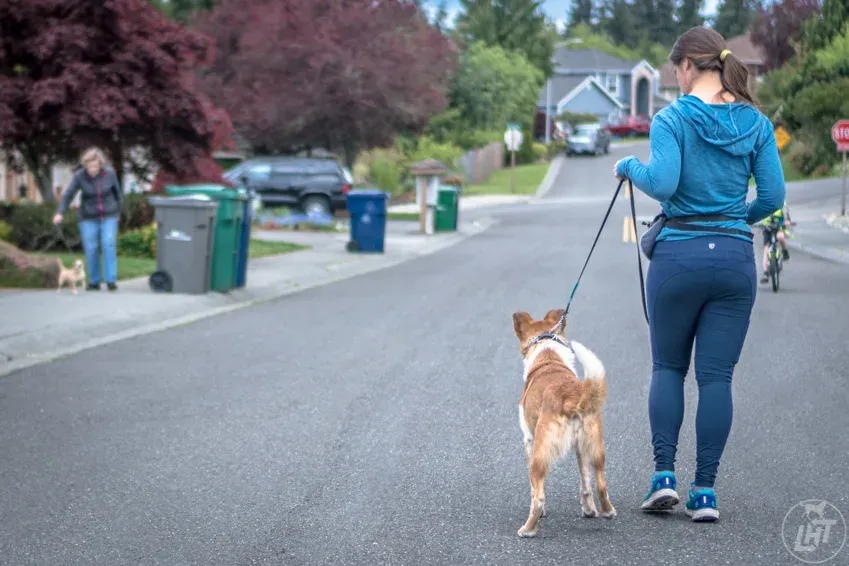
Understanding canine communication is paramount. Paying attention to subtle cues such as staring, perked ears, whining, panting, and specific vocalizations allows you to anticipate and mitigate unwanted behaviors before they escalate. Recognizing these signals empowers you to intervene proactively, managing your dog’s state of mind and preventing them from reaching a point of reactivity or distress.
Gradually Introduce Stressful Stimuli
Overcoming fears and anxieties requires controlled exposure. Gradually expose your dog to their triggers – loud noises, busy streets, other dogs – while ensuring they remain within their “threshold” of tolerance. This process, known as desensitization and counter-conditioning, involves practicing commands like “place” or “recall” in the presence of stressors. The goal is to demonstrate to your dog that you will keep them safe and that these stimuli are not a threat. Listing specific triggers (e.g., “motorcycles,” “garbage trucks”) can help in creating a targeted exposure plan.
Maintain Consistency
Consistency is the cornerstone of successful dog training. When owners are more lenient than professional trainers, dogs can become confused, leading to inconsistent behavior at home. It is vital to consistently discourage pulling, lunging, and excessive sniffing or marking. Every instance of stopping and ensuring the dog is in heel position, or by your side during movement, reinforces the training. Inconsistency undermines the training process and places the burden of correction back on the owner.
Commit to the Training Process
Dog training requires a significant commitment. If you are unwilling or unable to dedicate the necessary time and focus, it may be best to postpone certain activities with your dog until they are adequately trained. For instance, choosing not to go on a desired hike if your dog is not yet ready for loose leash walking demonstrates this commitment. Bringing your dog into situations they are not prepared for will only lead to frustration for both you and your canine companion.
Loose leash walking is an achievable goal with the right approach, dedication, and consistent practice. By implementing these strategies and understanding your dog’s needs, you can foster a more enjoyable and rewarding experience for both of you on every walk.