
As automobiles age, they typically depreciate in value, leading to lower insurance costs for everyday car owners. However, classic cars represent a unique category, often appreciating in value over time and necessitating specialized insurance coverage. This article delves into the world of classic car insurance, explaining what defines a classic vehicle and the factors that influence its specialized coverage.
What Defines a Classic Car?
Classic car insurance is a distinct form of protection tailored for classic, antique, or vintage automobiles. While the exact age threshold can vary, a car is generally considered classic if it is over 25 to 30 years old. However, exceptions exist; a vehicle might qualify as classic even if it’s younger than 25 if its value exceeds its original selling price. Common examples of vehicles that may fall under the classic car umbrella include hot rods, modified vehicles, luxury or exotic cars, classic trucks, muscle cars, vintage military vehicles, antique tractors, and classic motorcycles.
Do You Qualify for Classic Car Insurance?
Beyond age and value, several other criteria typically must be met to qualify for classic car insurance. While insurance providers have differing guidelines, classic car owners usually need to adhere to the following:
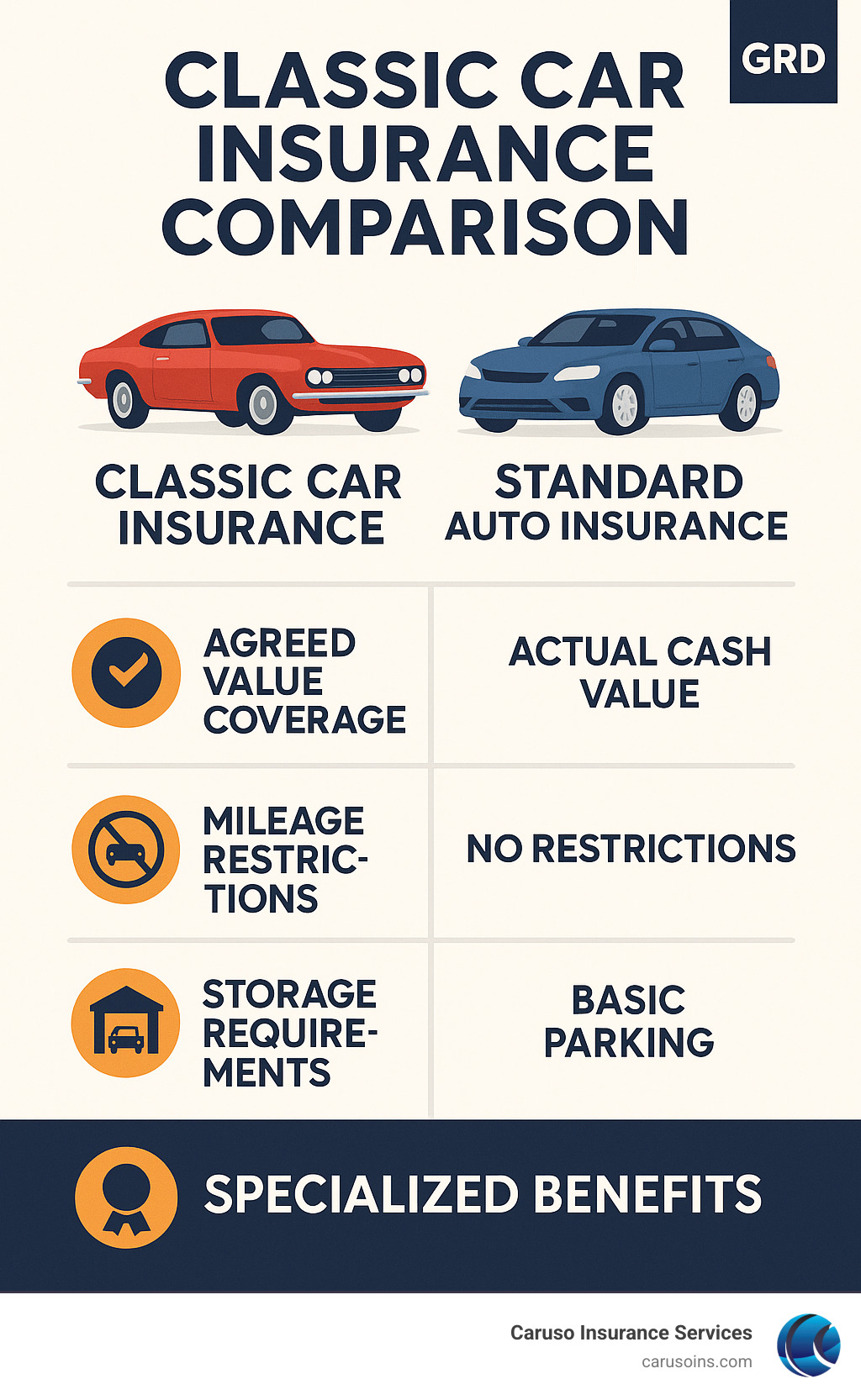
- Restricted Usage: Most classic car insurance policies are not designed for daily commuting or routine errands. Such policies often come with mileage limitations and may require proof that the vehicle is rarely driven. Some insurers mandate that you own a separate, regular vehicle for your primary transportation needs.
- Car Shows and Events: While daily use might be restricted, participation in car shows and meetups is generally covered. However, not all insurers automatically include this coverage, potentially requiring specialized policies for event-related risks. If you frequently attend shows, it’s crucial to verify your policy’s travel restrictions.
- Secure Annual Storage: Insurers expect classic cars, which are not used daily, to be stored securely in a garage or dedicated storage unit when not in use.
- A Safe Driving Record: Despite infrequent driving, insurance companies still evaluate your driving history. A poor record can lead to coverage denial.
Factors Influencing Classic Car Insurance Rates
Classic car insurance shares some common elements with standard auto insurance, such as coverage for property damage and bodily injury liability. However, several key differences impact coverage and cost.
The Agreed Value of Your Classic Car
Unlike standard auto insurance, which values vehicles at their current market depreciation, classic cars possess unique and often appreciating values. To establish your classic vehicle’s worth and, consequently, your insurance premium, you and your insurer will mutually agree on a value. In the event of damage, your insurer will compensate you up to this agreed-upon amount. This agreed value can also be reassessed and adjusted as your car’s value increases with age.
Specialized Repairs and Transportation Costs
Repairing classic cars can be costly due to the frequent need for special-order or rare parts. A classic car insurance policy typically covers these specialized repairs, compensating for their true value, even if it exceeds the cost of repairing a standard vehicle. Any necessary spare parts, such as new wheels, transmissions, or engine components, may also be covered. If you need to transport your classic car without driving it, your insurer usually covers towing expenses.
For further insights into insurance for older vehicles, explore our blog. If you’re seeking coverage for your classic or everyday car, The General offers a variety of policies designed for all drivers, irrespective of their driving record or credit score. Obtain a quote in under two minutes to discover potential savings on an affordable policy. Get quoted today.