
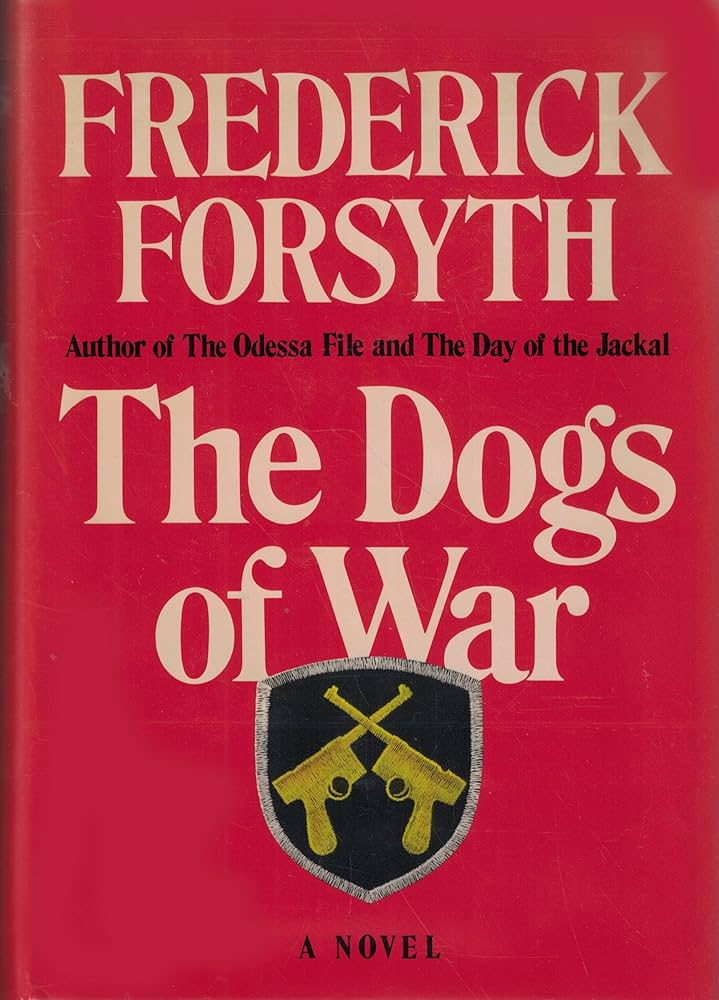
Frederick Forsyth’s novel, “The Dogs of War,” offers a compelling and detailed exploration of mercenary operations, distinguishing itself significantly from its Hollywood adaptation. While the film focused on action and American protagonists, Forsyth’s novel delves deeper into the intricate planning and diverse international backgrounds of the mercenaries involved in toppling a fictional African dictator. This focus on meticulous preparation and the varied motivations of its characters lends the book a powerful sense of realism, making it a standout read for those interested in military thrillers and political intrigue.
The novel excels in its detailed portrayal of how a military operation is planned and executed. Forsyth meticulously describes the procurement of diverse equipment from various sources and the elaborate measures taken to conceal the operation’s tracks. This attention to detail, coupled with the deep dives into each character’s background and motivations, imbues the narrative with a palpable sense of authenticity. Although set in a fictional country, the plausibility of such operations being planned or carried out in a similar fashion is striking. The book, written years ago, still resonates today as privately financed wars and complex military interventions continue to be a reality, highlighting the enduring relevance of Forsyth’s themes. The underlying message about the significant financial resources and high-level involvement required for such endeavors remains pertinent to understanding ongoing global conflicts.
One of the most significant distinctions between the novel and its film adaptation lies in the characterization and narrative focus. In the film, the main characters are predominantly American, aiming to appeal to a broader American audience. However, Forsyth’s novel features a ensemble of mercenaries from various European backgrounds, adding a richer, more international dimension to the story. Furthermore, while the film dedicates considerable time to action sequences, Forsyth prioritizes the strategic and logistical aspects of the operation. This emphasis on planning, rather than solely on combat, provides a more in-depth understanding of the complexities involved in such clandestine missions. Forsyth’s deliberate choice to focus on these elements, though perhaps less commercially appealing for a blockbuster film, is precisely what elevates the novel as a gripping and thought-provoking read. This approach allows readers to appreciate the intricate chess game of military strategy and the human element behind these high-stakes operations.
Despite its title and central theme, “The Dogs of War” is not gratuitously violent. Instead, it offers a nuanced perspective on the motivations, challenges, and realities of mercenary work. Forsyth’s masterful storytelling and his commitment to historical and operational detail create a narrative that is both thrilling and intellectually stimulating. The novel serves as a powerful reminder of the intricate planning and international cooperation required for such operations, underscoring the complexities of modern warfare and conflict. For anyone who appreciates a well-researched and engaging thriller, Frederick Forsyth’s “The Dogs of War” comes highly recommended. It’s a testament to Forsyth’s skill that a book exploring such a gritty subject matter can also be profoundly insightful and engrossing. If you’re interested in the behind-the-scenes of high-stakes operations, this book offers an unparalleled glimpse.