
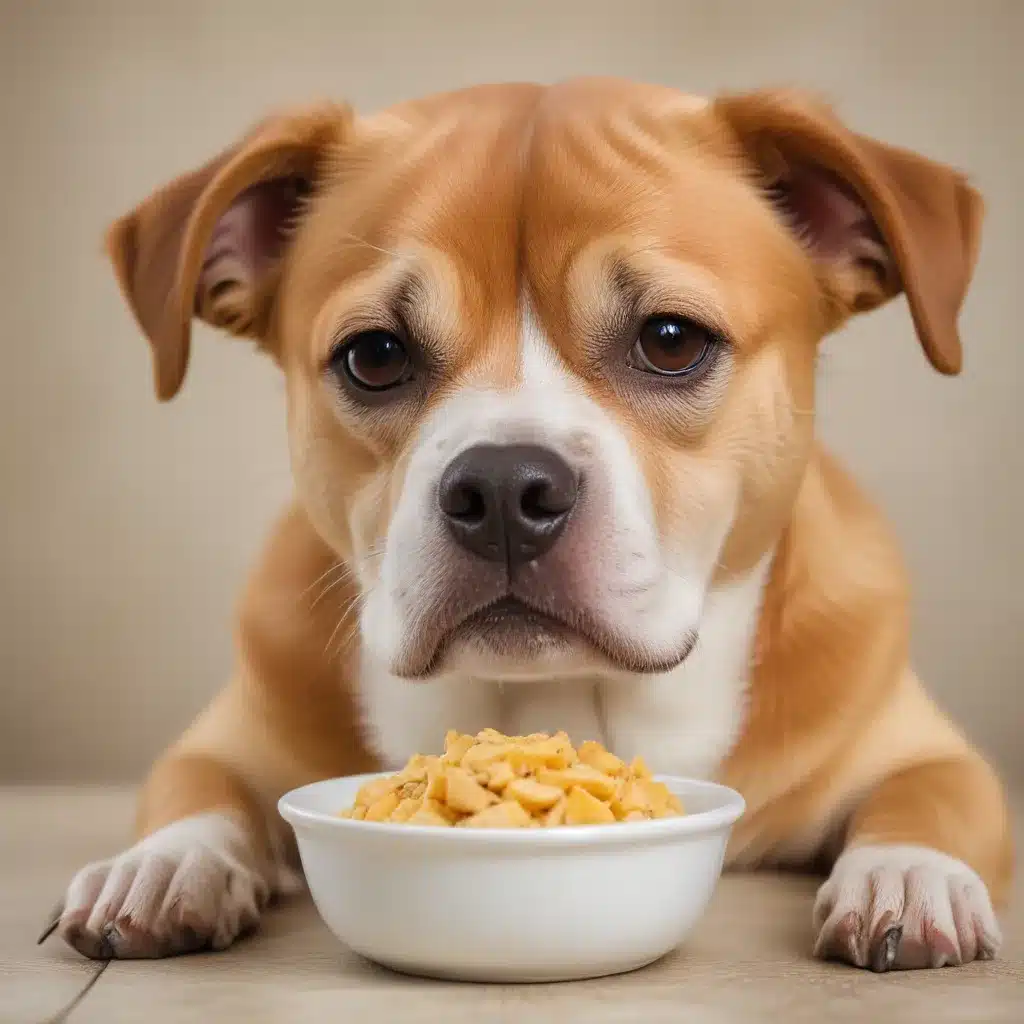
When your canine companion experiences gastrointestinal (GI) issues, such as vomiting, diarrhea, or a decreased appetite, a bland diet can be a crucial part of their recovery. Understanding what constitutes a bland diet, when to use it, and when to seek professional veterinary care is essential for every dog owner. This guide provides comprehensive information on bland diets for dogs, covering their benefits, types, and proper implementation.
What is a Bland Diet for Dogs?
A bland diet is a specialized, easy-to-digest food formulation designed for dogs suffering from an upset stomach or gastrointestinal distress. The primary goal is to provide the necessary nutrients for recovery without further irritating the digestive system. These diets can be prepared at home or purchased as commercially available options, either in kibble or wet food forms. The digestive system requires nutrients to combat symptoms of stomach upset, and bland diets ensure sick pups can still consume adequate nutrition.
Key Attributes of Bland Diets
Bland diets for dogs experiencing gastroenteritis often possess several key characteristics:
- Highly Digestible: These foods are formulated to be easily broken down and absorbed by the dog’s system, maximizing nutrient uptake. This often involves using high-quality, less-processed ingredients. Commercially, this can include specialized kibble options like Hill’s® i/d Digestive Care or Royal Canin® Gastrointestinal. Common lean protein sources include chicken, turkey, cottage cheese, and ground beef, which are typically well-tolerated. Carbohydrates like plain white rice, potatoes, brown rice, barley, or whole wheat pasta are often added to provide bulk and aid in managing diarrhea by drawing water out of the gut. While not always essential, certain vegetables like pumpkin can add beneficial fiber, but it’s critical to ensure all ingredients are free of added sodium or seasonings.
- Low Fat: For dogs suffering from conditions like pancreatitis or chronic gastrointestinal disease, a low-fat diet is paramount. Continuing such a diet even after recovery can help prevent relapses.
- High Fiber: Including adequate fiber can help regulate the digestive tract, which is particularly beneficial for dogs experiencing diarrhea or other motility issues.
- Hypoallergenic: For dogs with sensitivities or allergies, hypoallergenic or novel protein diets are recommended. These diets introduce proteins the dog’s immune system hasn’t previously encountered, such as rabbit or venison. Limited ingredient diets (LIDs) fall into this category, with examples including Hill’s d/d and Royal Canin Selective Protein. Hydrolyzed diets, where proteins are broken down into smaller molecules, are also an option.
- Calorically Dense: For dogs recovering from severe illness, surgery, or those with appetite loss, calorically dense foods are vital. These diets, like Hill’s a/d Urgent Care or Royal Canin Recovery, provide sufficient energy in small portions, which can help reduce symptoms like vomiting.
Veterinary Diets vs. Homemade Bland Diets
Historically, homemade bland diets, such as chicken and rice, were the go-to for pet owners. However, with advancements in veterinary nutrition, commercially available prescription diets have become increasingly beneficial. These veterinary diets offer bland ingredients alongside essential vitamins and minerals, ensuring a complete and balanced nutritional profile. Unlike home-cooked meals, which can lead to nutritional deficiencies if fed long-term and potentially create food aversions, prescription diets are formulated for safe, long-term use, even for chronic conditions like pancreatitis or gastroenteritis.
While home-cooked bland diets can be a safe and effective short-term solution (lasting days to weeks) or to encourage appetite, they should always be implemented under the guidance of a veterinarian.
Best Diet for Dogs with Sensitive Stomachs
Dogs with sensitive stomachs, often not linked to a specific medical condition, may frequently experience vomiting, diarrhea, or reduced appetite, particularly after consuming something new or inappropriate. Puppies and senior dogs are more prone to this due to weaker immune systems, but any dog can develop a sensitive stomach. The most effective foods for these dogs typically contain highly digestible proteins and carbohydrates, supplemented with fiber and probiotics.
How to Feed Your Dog a Bland Diet
Encouraging a sick dog to eat can be challenging. To make mealtime more appealing, consider these strategies:
- Hand-feeding your dog.
- Feeding in a quiet, calm environment.
- Soaking the food in water.
- Using a syringe for feeding.
- Adding low-fat, low-sodium broth to the food.
- Incorporating a lean meal topper, pumpkin, or probiotics.
Always consult your veterinarian before adding anything to your dog’s bland diet, as rich additions can exacerbate stomach upset. Your vet may also suggest feeding smaller, more frequent meals throughout the day. For home-cooked diets, discuss appropriate portion sizes with your veterinarian.
Duration of Bland Diet Feeding
The length of time a dog should remain on a bland diet depends on the underlying cause of their GI upset and their rate of recovery.
- Quick Recovery: If symptoms resolve within 48 hours, your dog can typically transition back to their regular diet.
- Prolonged Symptoms: If symptoms persist beyond 48 hours, contact your veterinarian. They may advise continuing the bland diet for a few days after symptoms subside.
- Diagnosed Medical Conditions: For dogs with diagnosed chronic GI issues, a bland diet may be a lifelong necessity.
Additional Support for Upset Stomachs
If your dog’s symptoms worsen or they are refusing to eat, hospitalization for supportive care, including IV fluids and anti-nausea medication, may be necessary. Supplementing their diet with probiotics can help restore beneficial gut bacteria lost during GI upset. Fiber supplements can also aid in stool consistency. Ensure your dog stays hydrated and consider keeping a food journal to track their intake and symptoms, which can be invaluable if veterinary treatment is required. It is crucial to avoid giving treats or table scraps, as these can worsen digestive distress. With time, consistent care, and appropriate nutritional support, your dog should recover from their upset stomach.