
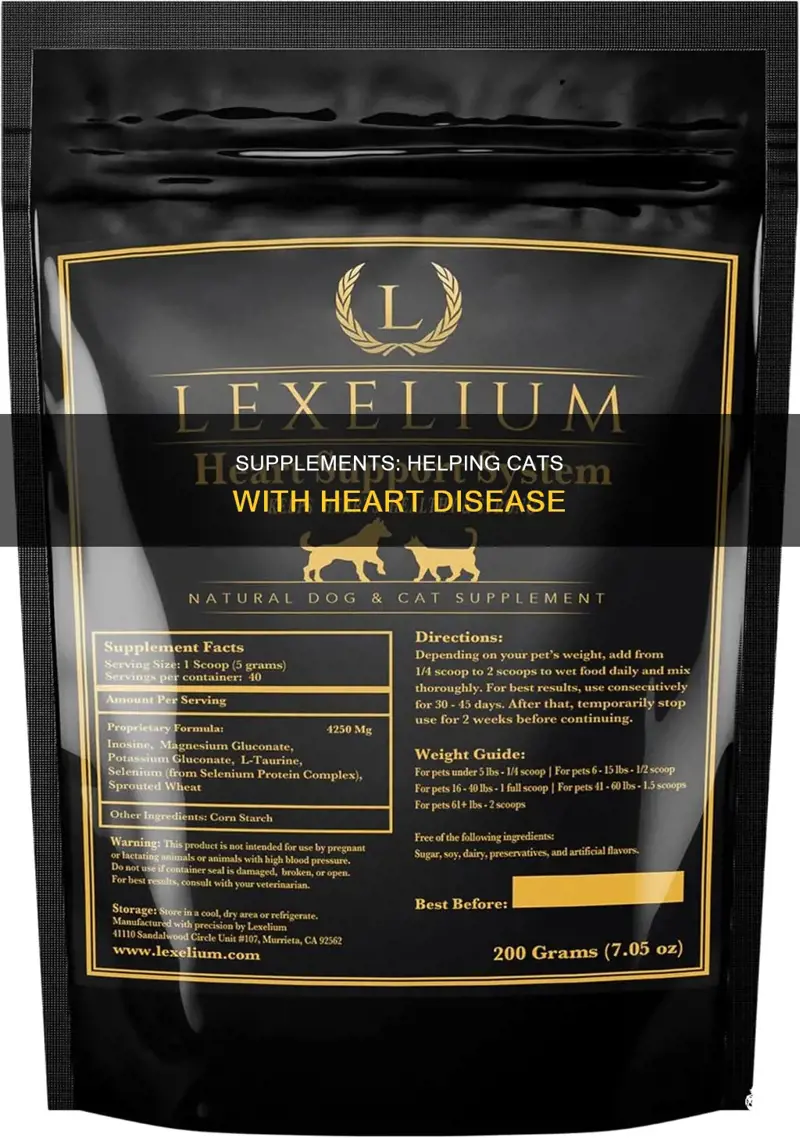
When a beloved pet is diagnosed with heart disease, owners often look for every possible way to support their furry friend’s health. Beyond traditional medications, dietary supplements—such as vitamins, minerals, herbs, amino acids, and probiotics—are frequently considered. These products, available in tablets, capsules, powders, or liquids, are intended to “supplement” the pet’s existing diet.
While the idea of using natural additions is appealing, the world of pet supplements is complex and requires careful navigation. Certain supplements can indeed offer benefits by correcting nutrient deficiencies or providing therapeutic effects that go beyond basic nutrition. However, they are not without risks. Choosing the right product, ensuring the correct dosage, and verifying quality control are essential steps. Before introducing any new supplement into your pet’s regimen, a thorough consultation with a veterinarian or veterinary cardiologist is mandatory to ensure safety and efficacy.
The Risks and Challenges of Supplementation
It is a common misconception that because supplements are “natural,” they are inherently safe. This is not always the case for dogs and cats with heart disease. Supplements can cause adverse reactions, and what is safe for a human may be toxic or ineffective for a pet due to differences in metabolism.
Potential Side Effects and Interactions
Every supplement carries a potential for side effects, making them unsuitable for every individual pet. One of the most significant dangers is the potential for drug interactions. Many pets with heart conditions are already on potent medications; adding a supplement without professional guidance can lead to dangerous interactions that diminish the effectiveness of the medication or cause harmful toxicity.
A Note on Heart Medications
Unless a veterinarian has diagnosed a specific nutrient deficiency that can be corrected with a supplement, these products should never replace prescribed heart medications. Discontinuing a heart medication without professional advice can lead to a rapid decline in your pet’s health and can be life-threatening.
Should You Test for Deficiencies First?
Before starting a supplement, diagnostic testing is often recommended. Veterinarians can perform blood tests to identify specific deficiencies.
- Taurine: This is the most common amino acid tested, as deficiency is a known cause of heart muscle issues.
- L-Carnitine: Levels can be measured via specialized blood tests to determine if the heart has the necessary components for energy production.
- Dietary Review: Instead of expensive, comprehensive blood panels (which are often inaccurate for overall nutritional status), veterinarians usually perform a detailed review of the pet’s diet.
Diets that raise “red flags” for deficiencies include homemade diets not formulated by a Board Certified Veterinary Nutritionist, vegetarian or vegan diets, and over-the-counter foods labeled for “intermittent or supplemental use.”
Common Supplements Used in Veterinary Cardiology
1. Taurine
Taurine is an amino acid vital for heart health. A deficiency in taurine can lead to Dilated Cardiomyopathy (DCM), a condition where the heart becomes enlarged and weak.
- Cats: Unlike many animals, cats cannot produce their own taurine and must get it from their diet. While high-quality commercial cat foods are fortified, cats on specialized or homemade diets are at high risk.
- Dogs: Most dogs produce taurine naturally, but certain breeds like Golden Retrievers, Cocker Spaniels, and Newfoundlands are predisposed to deficiencies.
Even in cases where a deficiency isn’t present, taurine is generally considered a safe supplement that may offer mild benefits for dogs with DCM.
2. L-Carnitine
Carnitine is essential for turning fat into energy within the heart muscle. While true carnitine deficiency is rare in dogs with DCM, supplementation is often used to support the heart’s energy production. It is largely safe, though high doses can occasionally cause digestive upset like vomiting or diarrhea.
3. Omega-3 Fatty Acids (Fish Oil)
Omega-3s derived from fish oil are highly regarded for their anti-inflammatory properties. In pets with heart disease, they can help reduce muscle wasting (cachexia) and improve appetite. They are also used to manage certain heart rhythm abnormalities (arrhythmias).
Caution: Fish oil is not a “preventative” for heart disease in pets as it is in humans. Furthermore, it should be avoided in pets with bleeding disorders or those already on high-fat diets.
4. Coenzyme Q10 (CoQ10)
CoQ10 acts as a powerful antioxidant and aids in energy production within cells. While human studies suggest benefits for DCM, the evidence in pets is still emerging. It may be most beneficial for dogs in advanced stages of heart disease. It comes in two forms—ubiquinone and ubiquinol—so professional guidance on the correct form and dose is vital.
5. Antioxidants
Antioxidants help neutralize harmful compounds that damage cells. Pets with congestive heart failure often produce more of these harmful compounds while their natural antioxidant levels drop. Supplementing can help restore balance, provided the products are of high quality.
How to Safely Select Pet Supplements
The supplement industry is not regulated with the same rigor as pharmaceuticals. In the United States, the FDA does not review the safety or quality of supplements before they hit the shelves. This means a label claiming “100mg” of a nutrient might actually contain much less—or much more.
Tips for Owners:
- Look for the USP Logo: The United States Pharmacopeia (USP) Dietary Supplement Verification Program logo indicates that a product has been independently tested for purity and ingredient accuracy.
- Avoid “Cocktails”: Combination products marketed for “heart health” often contain sub-optimal levels of various ingredients. It is generally better to supplement individual nutrients as recommended by your vet.
- Consult the Experts: Your veterinarian or cardiologist will consider your pet’s age, heart disease stage, and current medications before recommending a specific brand and dose.
Conclusion
Dietary supplements can play a valuable supportive role in managing heart disease in dogs and cats, but they are not a “one-size-fits-all” solution. Whether it is replenishing taurine levels or using fish oil to combat inflammation, the goal is always to improve the pet’s quality of life. By focusing on evidence-based supplements, ensuring high quality, and working closely with your veterinary team, you can provide the safest possible care for your pet’s heart.
Always prioritize prescribed medications and consult your veterinarian before making any changes to your pet’s nutritional plan.
References
- American College of Veterinary Internal Medicine (ACVIM)
- Clinical Nutrition Service, Cummings School of Veterinary Medicine at Tufts University
- Association of American Feed Control Officials (AAFCO)