
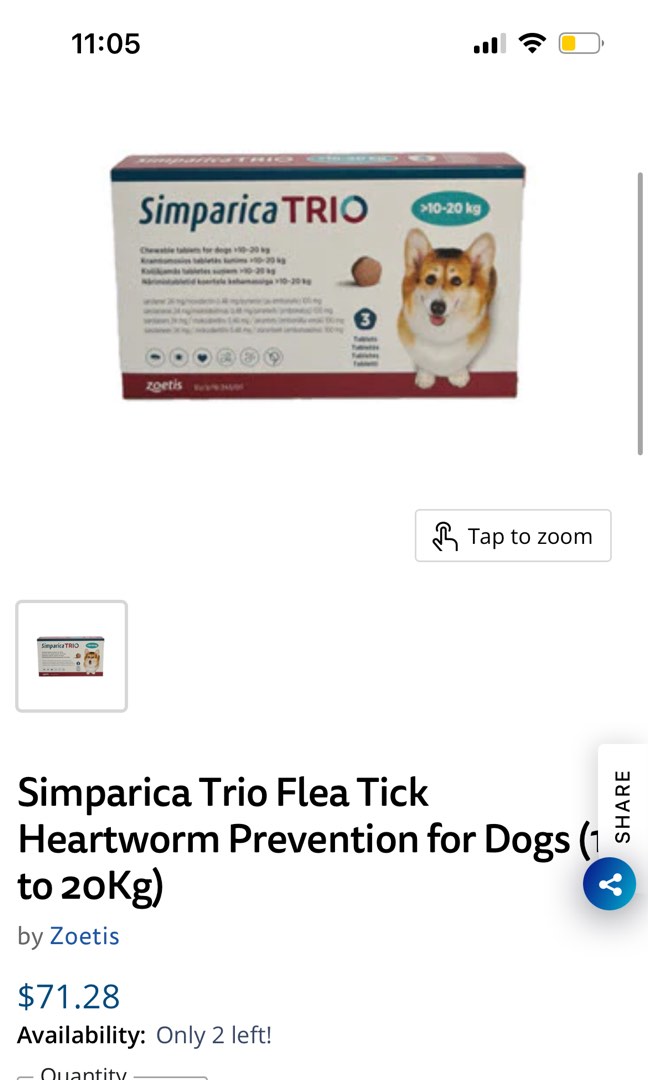
Welcoming a new dog into your family is an exciting time, and ensuring their health and comfort is paramount. Among the essential aspects of canine care is protection against fleas and ticks, which can cause significant discomfort and transmit serious diseases. Simparica emerges as a leading solution, offering rapid and sustained protection for dogs. This article delves into what Simparica is, how it works, its benefits, and crucial information for pet owners.
Simparica is a fast-acting oral medication designed to combat flea and tick infestations in dogs. It begins to eliminate fleas and ticks within hours of administration, providing a full month of continuous protection against re-infestations. This makes it a vital tool for maintaining your dog’s well-being throughout the year. Simparica is effective against a comprehensive range of parasites, including Ctenocephalides felis (fleas) and six types of ticks: Amblyomma americanum (Lone Star tick), Amblyomma maculatum (Gulf Coast tick), Dermacentor variabilis (American dog tick), Ixodes scapularis (Deer tick or Black-legged tick), Rhipicephalus sanguineus (Brown dog tick), and Haemaphysalis longicornis (Asian longhorn tick). The medication can be administered at any time of year and is safe for continuous year-round use. Simparica is a monthly treatment that requires a veterinary prescription.
Understanding How Simparica Works
The active ingredient in Simparica is sarolaner, a potent compound belonging to the isoxazoline class. Sarolaner functions by inhibiting the gamma-aminobutyric acid (GABA) receptor and glutamate receptor in the neuromuscular junction of insects and acarines. This action disrupts the normal functioning of the nervous system in fleas and ticks, leading to uncontrolled neuromuscular activity and ultimately, death.
The convenient, liver-flavored chewable tablet is designed for easy administration. It can be given directly to your dog or crumbled and mixed with their food, ensuring that even picky eaters receive their full dose. To effectively manage flea populations, it’s crucial to treat all pets within a household simultaneously with an approved flea control product.
Key Benefits of Simparica
Simparica offers several advantages for dog owners seeking reliable parasite protection:
- Broad-Spectrum Efficacy: Effective against six species of ticks and fleas.
- Monthly Protection: Each tablet provides a full month of defense.
- Palatable Taste: The liver-flavored chewable tablet is well-tolerated by most dogs.
- Flexible Administration: Can be given directly or mixed with food.
- Weight-Specific Dosing: Available in six weight categories to ensure accurate dosage for dogs ranging from 2.8 to 132 lbs.
For owners looking for the best dog flea tick and heartworm prevention, understanding the specific needs of their pet is essential. Simparica directly addresses flea and tick concerns, and can be part of a broader parasite prevention strategy.
Suitability and Dosage
Simparica is suitable for dogs aged 6 months and older, weighing at least 2.8 lbs. Accurate dosing is critical for efficacy and safety. The recommended minimum dosage is 0.91 mg/lb (2 mg/kg) of sarolaner administered monthly.
- Dogs weighing 2.8 to 5.5 lbs: one 5 mg tablet.
- Dogs weighing 5.6 to 11.0 lbs: one 10 mg tablet.
- Dogs weighing 11.1 to 22.0 lbs: one 20 mg tablet.
- Dogs weighing 22.1 to 44.0 lbs: one 40 mg tablet.
- Dogs weighing 44.1 to 88.0 lbs: one 80 mg tablet.
- Dogs weighing 88.1 to 132.0 lbs: one 120 mg tablet.
For dogs weighing over 132.0 lbs, an appropriate combination of tablets should be used. Ensure your dog consumes the entire dose and observe them for a few minutes to prevent refusal or loss of the tablet.
If you are considering different preventative options, exploring resources for the best flea and tick meds can provide valuable comparisons. Products like Simparica Trio 1 month supply offer combined protection against fleas, ticks, and heartworm, providing a convenient all-in-one solution for many dog owners.
Important Safety Information and Cautions
While Simparica is generally safe and effective, it is essential to be aware of potential side effects and precautions. Simparica is intended for use only in dogs 6 months of age and older. Neurological adverse effects, including tremors, unsteadiness, and seizures, have been reported in dogs with or without a history of neurological disorders. The safety of Simparica has not been evaluated in pregnant, breeding, or lactating dogs. The most common side effects observed in clinical trials were vomiting and diarrhea.
It is crucial to inform your veterinarian about your pet’s health history, especially if they have any pre-existing neurological conditions. You should also consult your vet if your pet is pregnant, breeding, or lactating before starting Simparica.
What to Do If a Dose is Missed or Overdosed
If you miss a dose of Simparica, administer it as soon as you remember and then resume your monthly dosing schedule. If you suspect an overdose, contact your veterinarian immediately for guidance.
Interactions and Contraindications
Currently, there are no known contraindications for the use of Simparica. However, it is vital to avoid using Simparica in cats and in dogs less than 6 months of age. As mentioned, its safety has not been established for breeding, pregnant, or lactating dogs. Always follow your veterinarian’s recommendations for the health and safety of your pet. Considering options like chewy Simparica trio can be beneficial if your veterinarian recommends a comprehensive approach.
Conclusion
Simparica provides a reliable and effective method for protecting your dog against the persistent threat of fleas and ticks. Its rapid action, monthly convenience, and broad-spectrum coverage make it a valuable tool in your pet’s healthcare regimen. By understanding how Simparica works, adhering to proper dosage, and discussing any concerns with your veterinarian, you can ensure your canine companion stays healthy, comfortable, and protected year-round. Always consult with your veterinarian to determine the best parasite prevention plan for your individual pet’s needs.