
If you’re considering bringing a Shih Tzu into your home, you’re looking at one of the most charming toy breeds around. Known for their flowing coats and affectionate personalities, Shih Tzus have been cherished companions since their days in the Tibetan mountains and the courts of Chinese royalty. This guide covers everything current and prospective owners need to know about Shih Tzu care, from diet and training to grooming and common health concerns.
Shih Tzus are small dogs with big personalities. Males typically weigh between 4-7kg and females 3-6kg, standing 20-28cm tall regardless of sex. Their long, silky coats come in various colors, most commonly black and white or gold and white combinations, and they shed relatively lightly compared to many other breeds. With a life expectancy of 10-16 years, a Shih Tzu can be a loyal family member for well over a decade.
Temperament and Adaptability
Shih Tzus rate highly on friendliness and get along well with both other dogs and children, making them excellent choices for families. They do have moderate barking tendencies and a playful, energetic streak that keeps households lively. One of their biggest advantages is adaptability: this breed does best in cool to moderate temperatures, tolerating heat up to around 25°C and cold down to about 10°C, which makes them well-suited to apartment living and indoor life. First-time pet parents often find Shih Tzus manageable, since their small size and moderate exercise needs don’t demand the same level of commitment as larger, more active breeds.
Feeding Your Shih Tzu Properly
Nutrition plays a major role in keeping a Shih Tzu healthy throughout its life stages. Here are the key principles to keep in mind when choosing food for this breed.
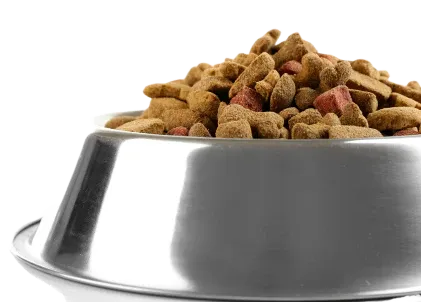
Choose a protein-rich diet. Quality animal protein sources like chicken or fish should form the base of any Shih Tzu’s diet, since these support muscle maintenance and overall vitality in this small but sturdy breed.
Avoid fillers and additives. Shih Tzus tend to have sensitive stomachs and are prone to allergic reactions, so it’s wise to steer clear of foods loaded with corn, wheat, or soy fillers that offer little nutritional value and can trigger digestive upset.
Factor in age-appropriate nutrition. Puppies, adults, and senior Shih Tzus all have different caloric and nutrient needs. Small-breed formulas with appropriately sized kibble help ensure easier chewing and digestion at every life stage.
Watch portion sizes closely. Because Shih Tzus are prone to obesity, smaller and more frequent meals—or the use of slow-feeding bowls—can help manage weight effectively and prevent overeating.
For owners who prefer preparing home-cooked meals, it’s worth noting that these can be time-consuming to balance and may lack certain nutrients unless supplemented properly. Adding a food topper or vet-recommended supplement can help fill nutritional gaps that homemade diets sometimes miss.
Training and Exercise Needs
Shih Tzus are intelligent and eager to please, which makes them relatively quick learners during training sessions. That said, their exercise requirements are modest compared to larger, high-energy breeds.

Regular physical activity—brisk walks, short play sessions, or light interactive games—keeps a Shih Tzu both physically fit and mentally content. Beyond physical exercise, this breed also benefits from interactive play that satisfies their natural curiosity; puzzle toys and engaging games help keep them mentally stimulated. Basic obedience training, including commands like “sit,” “stay,” “come,” “heel,” and “down,” tends to go smoothly with positive reinforcement and treat-based rewards, since Shih Tzus generally respond well to encouragement rather than harsh correction.
Grooming Requirements
Given their long, luxurious coats, grooming is one of the more demanding aspects of Shih Tzu ownership, but it’s manageable with a consistent routine.
Weekly brushing helps maintain coat shine, prevents matting, and reduces shedding around the home. Occasional baths with a mild, dog-specific shampoo keep the coat clean without stripping natural oils. Ear health also deserves attention: because Shih Tzus have floppy ears that can trap moisture, regular cleaning with a mild ear solution helps prevent infections. Nail trimming and paw pad checks should be part of the routine as well, preventing discomfort during walks. Finally, dental care is essential—brushing teeth at least twice a week with dog-specific toothpaste helps ward off plaque buildup and periodontal disease, which this breed can be prone to.
Common Health Concerns
Like any breed, Shih Tzus have certain health vulnerabilities that owners should watch for.

Obesity is a frequent concern given the breed’s tendency to gain weight easily, so monitoring both diet and exercise is important. Dental issues, including tartar buildup and periodontal disease, are common and reinforce the need for regular oral care. Luxating patella, a condition involving dislocation of the kneecap, can cause lameness and discomfort, and should be checked periodically by a veterinarian. Additionally, allergies—whether food-related or environmental—can affect Shih Tzus, often showing up as skin irritation or digestive issues. If your Shih Tzu develops any of these conditions, a veterinarian may recommend a prescription diet alongside medication, so regular veterinary checkups are a valuable part of long-term care.
Frequently Asked Questions
Is the Shih Tzu suitable as a house dog? Yes. Their small size, low exercise needs, and affectionate temperament make them excellent companions for apartments or smaller homes.
How much fur does a Shih Tzu shed? Shih Tzus have a low shedding tendency, making them a reasonable option for owners who prefer minimal hair around the house.
What is a Shih Tzu’s temperament like? Generally friendly, affectionate, and outgoing, with a gentle nature that suits families well.
Are Shih Tzus easy to take care of? Relatively speaking, yes—their small size and modest exercise requirements make them manageable for most households, though grooming does require consistent effort.
How often should a Shih Tzu be fed? Adult Shih Tzus typically do well with two meals a day, while puppies may need three to four smaller meals, adjusted according to age, weight, and activity level.
Final Thoughts
Caring for a Shih Tzu comes down to a few consistent habits: feeding a balanced, protein-rich diet in controlled portions, providing light daily exercise paired with mental stimulation, and staying on top of grooming and dental care. While this breed doesn’t demand the intense activity levels of larger working dogs, their coat and dental needs mean regular attention is non-negotiable. Keeping an eye on weight, joint health, and potential allergies will go a long way toward ensuring your Shih Tzu enjoys a long, comfortable life by your side. If you notice any signs of the health issues mentioned above, consulting a veterinarian promptly is always the safest course of action.