
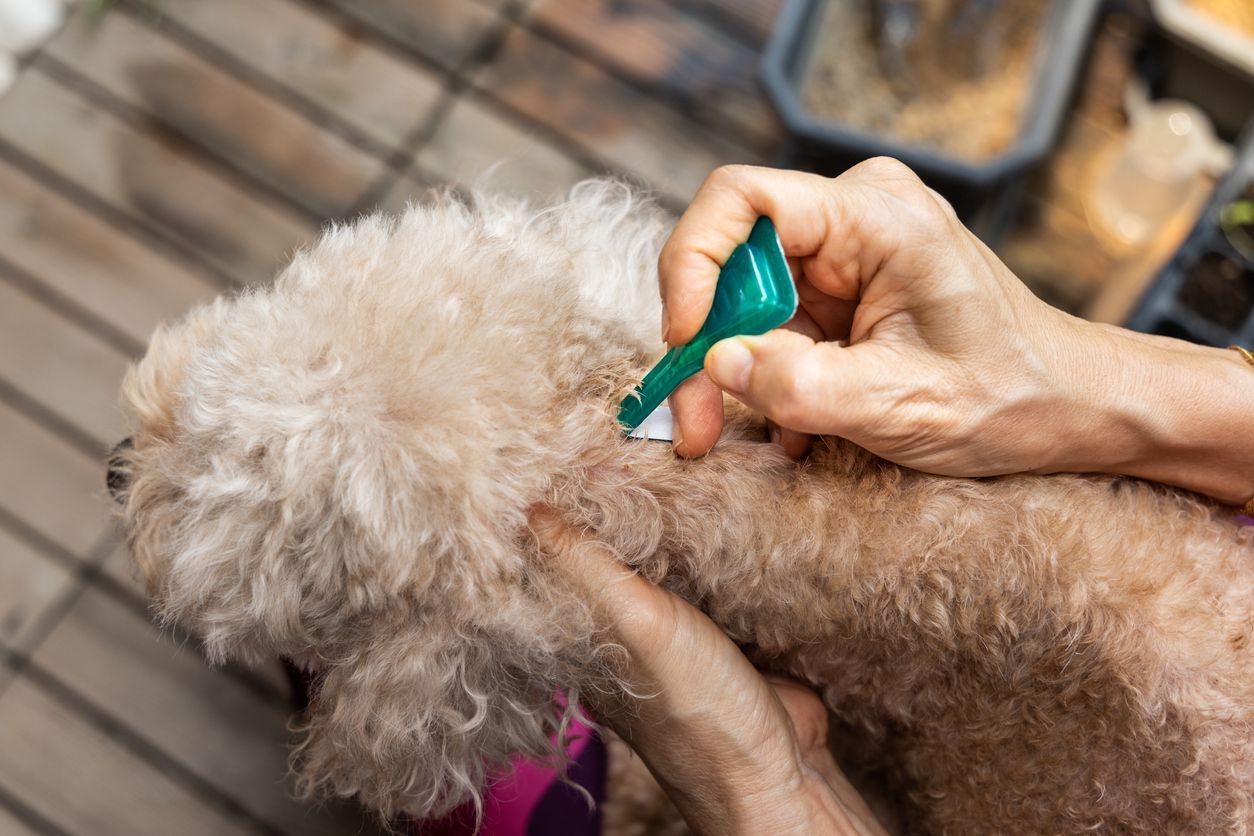
As dogs enter their golden years, their physiological needs change significantly. Their immune systems often slow down, their skin becomes thinner and more sensitive, and they may develop underlying health conditions like kidney disease or arthritis. Because of these changes, flea prevention for senior dogs requires a more thoughtful, gentle, and specialized approach than the one used for energetic puppies or young adults.
Protecting an aging companion from parasites isn’t just about avoiding a few itchy bites; it’s about maintaining their overall quality of life and preventing complications that their older bodies might struggle to handle. This guide explores how to safely navigate flea control for your senior pet during every season.
Why Flea Prevention for Senior Dogs Requires Extra Care
Aging is not a disease, but it does change how a dog’s body reacts to external stressors and chemical treatments. Senior dogs (typically those aged 7 and older) often face health hurdles such as heart disease, diabetes, or reduced organ function. These factors make the choice of flea control critical.
Compared to younger pets, senior dogs may experience:
- Fragile Skin: Thinner skin is more prone to irritation and takes longer to heal from scratches or chemical reactions.
- Polypharmacy: Many seniors are on multiple medications for chronic pain or internal health, increasing the risk of drug interactions.
- Weakened Immunity: A slower immune response means a simple infestation can quickly lead to secondary infections.
- Metabolic Changes: Slower liver or kidney function can affect how a dog processes systemic flea medications.
Without proactive flea prevention for senior dogs, a minor issue can escalate into hair loss, severe flea allergy dermatitis, or even anemia in frail or small-breed seniors.
Recognizing the Subtle Signs of Fleas in Older Pets
Older dogs may not exhibit the same frantic scratching or “zoomies” that younger dogs do when bothered by fleas. Their discomfort might manifest more quietly. Owners should keep a close eye out for:
- Restlessness: Pacing or an inability to get comfortable.
- Localized Licking: Frequent grooming or licking, particularly near the base of the tail or inner thighs.
- Skin Changes: Redness, hot spots, or “flea dirt” (small black specks that turn red when placed on a wet paper towel).
- Thinning Fur: Patches of hair loss that weren’t there previously.
In regions with high humidity and warmth, flea activity peaks in late spring and continues through the summer, though indoor environments can sustain them year-round.
Top Flea Control Options for Aging Dogs
When it comes to flea prevention for senior dogs, safety is the ultimate priority. It is always best to consult a veterinarian to determine which method aligns with your dog’s specific medical history.
1. Oral Preventatives
Chewable tablets are a popular modern choice. They work systemically to kill fleas quickly.
- Pros: They don’t leave a residue on sensitive skin and can’t be rubbed off.
- Cons: May require dosage adjustments for dogs with compromised liver or kidney function.
2. Topical (Spot-On) Treatments
These are applied directly to the skin, usually between the shoulder blades.
- Pros: Effective at repelling and killing fleas on contact.
- Cons: Can cause irritation on fragile senior skin. Avoid applying to areas that are already inflamed.
3. Prescription-Strength Solutions
For a dog with complex health issues, over-the-counter options might be risky. A veterinarian can prescribe tailored doses that account for the dog’s weight, metabolism, and current medications, ensuring the highest level of safety.
4. Flea Collars
While modern high-quality collars can be effective, they may not be suitable for seniors with chronic skin conditions or those who have experienced sensitivity to neck-worn devices in the past.
The Role of Natural Support and Environmental Control
Many owners prefer a “natural” approach for their seniors. While gentle, natural remedies like essential oils can sometimes be toxic to older dogs whose systems are more sensitive. Instead, focus on mechanical and environmental “natural” prevention:
- Regular Grooming: Use a fine-toothed flea comb daily to check for hitchhikers.
- Frequent Bathing: Use a mild, hypoallergenic, vet-approved shampoo to soothe the skin and drown fleas.
- Home Hygiene: Vacuum carpets and furniture at least twice weekly. Wash pet bedding in hot water every week to kill eggs and larvae.
Since 95% of a flea population lives in the environment rather than on the pet, keeping the home clean is a cornerstone of flea prevention for senior dogs.
Managing Risks: Fleas and Chronic Health
Fleas are more than a nuisance; they are a health threat. In senior dogs, the stress of an infestation can worsen existing conditions.
- Flea Allergy Dermatitis (FAD): An allergic reaction to flea saliva can cause intense inflammation and lead to secondary bacterial infections.
- Arthritis Aggravation: The constant biting and scratching can force an arthritic dog into awkward positions, worsening joint pain.
- Anemia: Small or frail senior dogs can lose a dangerous amount of blood to a heavy infestation.
Conclusion
Maintaining consistent flea prevention for senior dogs is an essential part of geriatric pet care. Because older dogs are more vulnerable to the physical stress of itching and the potential side effects of medications, a “one size fits all” approach rarely works. By combining veterinary-approved preventatives with a clean home environment and regular wellness checks, you can ensure your loyal companion remains comfortable and healthy throughout their senior years.
If you are unsure which product is right for your aging pet, seek professional advice. A personalized plan is the best way to avoid drug interactions and keep your dog flea-free. For more information on specialized senior care, you can explore resources from the [liên kết đáng ngờ đã bị xóa] or your local veterinary clinic.
References
- American Veterinary Medical Association (AVMA) – Senior Pet Care.
- Companion Animal Parasite Council (CAPC) – Flea Guidelines.
- Green Hills Veterinary Clinic – Senior Dog Wellness and Parasite Control.