
Bringing a new puppy home is an exciting time, filled with joy and new experiences. However, it also comes with responsibilities, paramount among them being the health and well-being of your new companion. One of the most common health concerns for puppies is fleas. Selecting the right flea treatment is crucial, but with so many options available, it can be overwhelming for new pet parents. This guide will help you navigate the choices, focusing on key factors to ensure you pick the safest and most effective solution for your young dog.
Understanding Puppy-Specific Needs: Age, Weight, and Health
It’s vital to recognize that flea treatments are not one-size-fits-all, especially for puppies. The safety and efficacy of a treatment depend heavily on the puppy’s developmental stage and physical condition.
Age and Weight Restrictions
Flea treatments come with specific age and weight guidelines. Some products are suitable for puppies as young as 6 weeks old, while others are recommended for those 8 weeks and older. Similarly, weight minimums vary, often starting around 2 pounds. Puppies grow rapidly, so it’s essential to ensure the treatment you choose is appropriate for your puppy’s current weight. For treatments like tablets, chews, or topicals, it might be wise to purchase them on a month-to-month basis to adjust as your puppy grows.
Health Conditions
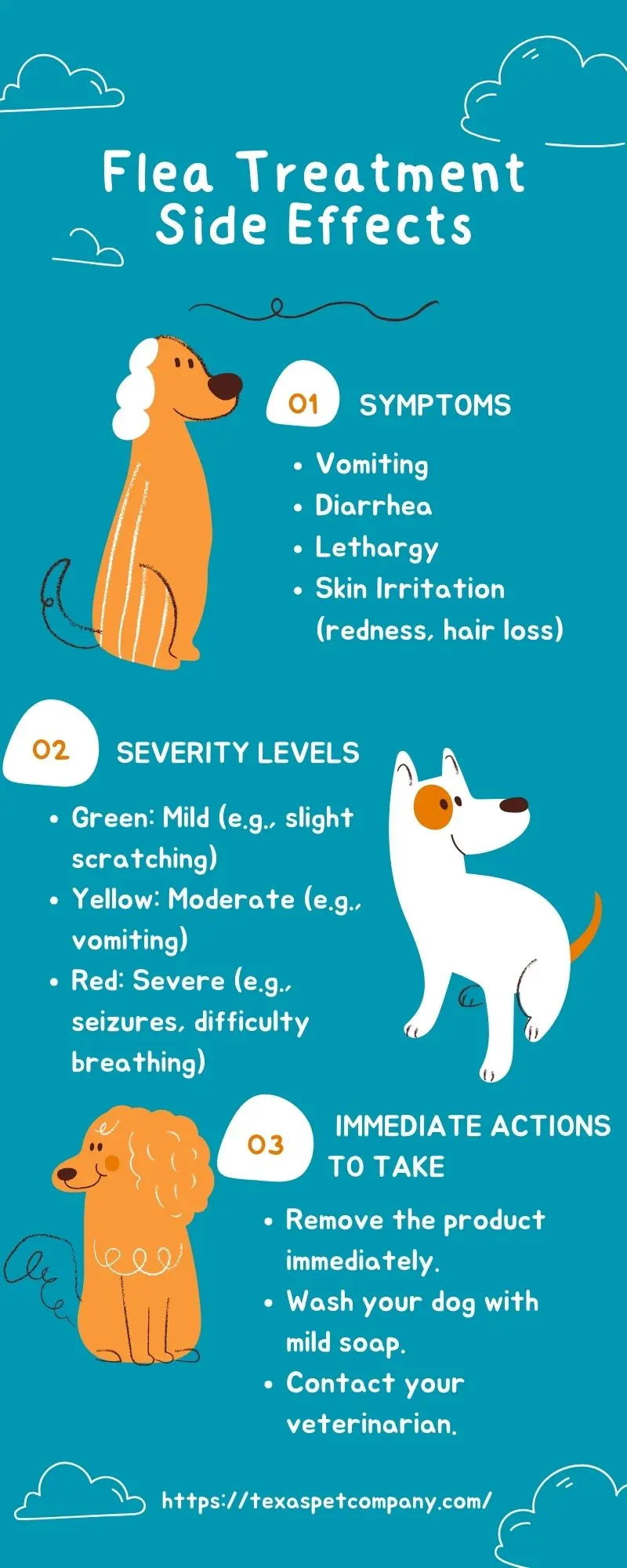
Pre-existing health issues can significantly influence the type of flea control your veterinarian will recommend. For instance, flea treatments containing isoxazoline-based pesticides have been linked to rare neurological side effects. These might not be suitable for puppies with a history of seizures or other neurological conditions. Always consult your vet to determine the best flea treatment that aligns with your puppy’s age, weight, and overall health.
Lifestyle Compatibility
A puppy’s lifestyle plays a significant role in determining the most effective flea treatment method. Topical flea treatments, for example, can lose their effectiveness if exposed to water shortly after application. If your puppy is an energetic water-lover or frequently needs baths due to playing in the mud, a topical treatment might not be the ideal choice. In such cases, an oral flea treatment could be a more suitable alternative. Your veterinarian can provide expert advice on selecting a flea treatment that best suits your puppy’s daily activities and grooming needs.
Coverage Needs: More Than Just Fleas
Flea treatments and preventives for puppies offer varying durations of protection, ranging from 24-hour treatments to combat active infestations to long-term preventives that last for several months. Some advanced products go beyond just flea control, offering comprehensive protection against other parasites. These can include internal parasites like heartworms, hookworms, and roundworms, as well as external threats such as ticks, mange, and ear mites. It’s crucial to discuss with your veterinarian the specific coverage your puppy requires – whether it’s a simple flea treatment, a year-round preventive, or an all-in-one solution for multiple parasites.
Administration Methods: Finding the Right Fit
Flea treatments for puppies are available in three primary forms: oral, topical, and collars.
- Oral Treatments: These typically come as monthly tablets or palatable chews, making them convenient for administering medication.
- Topical Treatments: Applied directly to the puppy’s skin, usually between the shoulder blades, these treatments are absorbed into the bloodstream or spread across the skin’s surface.
- Flea Collars: These collars release active ingredients that protect the puppy from fleas and, in some cases, ticks.
If administering pills to your puppy is a challenge, a flea collar or a topical solution might be a better option. However, remember that both topicals and collars can be less effective if the puppy gets excessively wet. Always consult your veterinarian to determine the most suitable administration method for your puppy.
How We Selected the Best Flea Treatments for Puppies
The recommendations in this article were carefully curated by a team of veterinarians and veterinary technicians affiliated with Chewy, the publisher of PetMD. Their selections were based on extensive knowledge, practical experience, and a review of clinical studies. Key attributes considered included age and weight restrictions, the scope of coverage, and the type of administration. The opinions and product recommendations presented here are solely those of the expert panel, ensuring an unbiased selection process focused on providing pet parents with reliable information for making informed decisions about their pets’ health.
Flea Treatment for Puppies FAQs
Q: When should puppies start flea and tick treatment?
Flea and tick prevention for puppies can commence as early as 6 to 8 weeks of age, contingent upon the specific product. Given that safety guidelines differ among treatments, it is imperative to select a product recommended for your puppy’s precise age, weight, and health status.
Q: What is the safest flea prevention for puppies?
Opt for a flea prevention product specifically formulated for puppies, taking into account their age and weight. Your veterinarian is the best resource for recommending the safest and most effective oral, topical, or collar product tailored to your puppy’s individual needs and health concerns.
Q: At what age can you put a flea collar on a puppy?
Certain flea collars are designed for puppies as young as 7 weeks old. It is crucial to consult the flea collar’s guidelines for its recommended minimum age and weight to ensure it is a suitable match for your puppy. Your veterinarian can offer guidance in selecting the safest flea collar preventive treatment based on your puppy’s age, weight, and health considerations.