
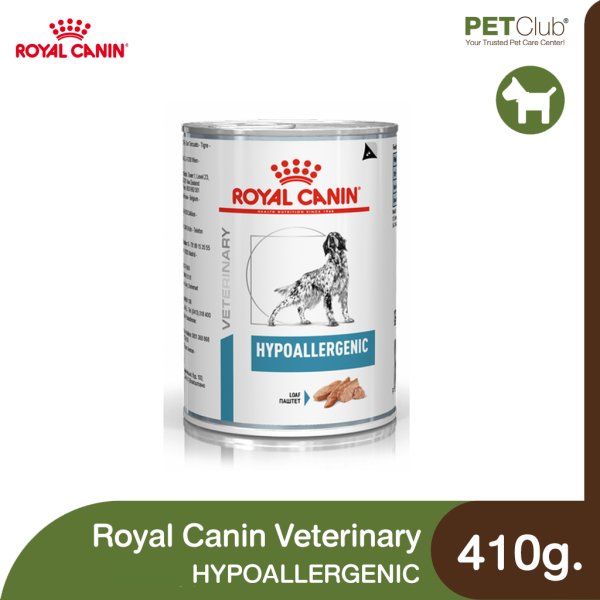
If your dog has been scratching persistently, experiencing recurring digestive upset, or your veterinarian has identified a food allergy or intolerance, Royal Canin Veterinary Dog Hypoallergenic may be the dietary solution you’ve been looking for. This specialized veterinary diet is clinically formulated to help adult dogs manage adverse food reactions — from skin flare-ups to chronic gastrointestinal issues — through a carefully controlled, hypoallergenic nutritional profile.
Unlike standard commercial dog foods, this diet is produced through a specialized manufacturing process designed to prevent cross-contamination with common food allergens, making it one of the most reliable options available under veterinary supervision.
What Is Royal Canin Veterinary Dog Hypoallergenic?
Royal Canin Veterinary Dog Hypoallergenic is a prescription-grade dry dog food developed specifically for adult dogs suffering from adverse food reactions (AFR). The formula relies on hydrolyzed protein sources — meaning the proteins are broken down into fragments so small that the immune system is far less likely to recognize and react to them. This approach is central to the effectiveness of hypoallergenic diets in both diagnosis and long-term management of food allergies.
Because this is a veterinary diet, it should always be used under the guidance of a licensed veterinarian. Self-diagnosing a food allergy in dogs without professional evaluation can delay proper treatment and may mask other underlying health conditions.
Indications: Which Dogs Can Benefit?
Royal Canin Veterinary Dog Hypoallergenic is indicated for adult dogs with a range of conditions related to food sensitivity and digestive dysfunction:
- Adverse food reactions (AFR) presenting with dermatological symptoms (skin rashes, itching, hair loss) and/or gastrointestinal symptoms (vomiting, diarrhea) — used both as an elimination diet for diagnosis and as a treatment
- Canine atopic dermatitis (CAD) associated with food-related triggers
- Chronic diarrhea that does not resolve with standard dietary management
- Inflammatory bowel disease (IBD)
- Exocrine pancreatic insufficiency (EPI)
- Small intestinal bacterial overgrowth (SIBO)
This wide range of indications reflects the formula’s ability to reduce the immunological burden on the digestive system while supporting gut integrity and skin barrier function simultaneously.
Contraindications: When Not to Use This Diet
While Royal Canin Veterinary Dog Hypoallergenic is beneficial in many cases, it is not suitable for:
- Dogs diagnosed with pancreatitis (the fat content may be too high for this condition)
- Pregnant or lactating females (whose nutritional requirements differ significantly from maintenance-fed adult dogs)
Always disclose your dog’s full medical history to your veterinarian before starting any veterinary diet.
Feeding Guidelines and Daily Portions
Accurate portioning is essential to support healthy body weight and avoid overfeeding — particularly for dogs with digestive sensitivities. The table below provides general daily feeding recommendations based on your dog’s weight and body condition:
| Dog’s Weight | Underweight | Normal Weight | Overweight |
|---|---|---|---|
| 2 kg | 53 g | 46 g | 40 g |
| 4 kg | 88 g | 78 g | 67 g |
| 6 kg | 120 g | 105 g | 91 g |
| 8 kg | 149 g | 131 g | 113 g |
| 10 kg | 176 g | 155 g | 133 g |
| 15 kg | 238 g | 210 g | 181 g |
| 20 kg | 295 g | 260 g | 225 g |
| 25 kg | 349 g | 307 g | 265 g |
| 30 kg | 400 g | 352 g | 304 g |
| 35 kg | 449 g | 396 g | 342 g |
| 40 kg | 497 g | 437 g | 378 g |
| 50 kg | 587 g | 517 g | 446 g |
| 60 kg | 673 g | 593 g | 512 g |
| 70 kg | 756 g | 665 g | 574 g |
| 80 kg | 836 g | 735 g | 635 g |
Important: These are baseline recommendations. Your veterinarian may adjust portions based on your dog’s specific health status, activity level, and response to the diet. Always ensure fresh water is available at all times.
Analytical Composition
Understanding the nutritional profile of a veterinary diet helps owners make informed decisions. Royal Canin Veterinary Dog Hypoallergenic contains:
- Protein: 21.0%
- Fat content: 19.0%
- Crude ash: 6.1%
- Crude fiber: 1.1%
- Linoleic acid (essential fatty acid): 42.7 g per kg
- EPA/DHA: 3.3 g per kg
- Omega-3 fatty acids: 9.5 g per kg
The elevated omega-3 content — particularly EPA and DHA sourced from fish oil — plays a key role in managing inflammatory skin conditions and supporting a healthy coat. Linoleic acid, an omega-6 fatty acid, further reinforces the skin’s natural barrier function, which is often compromised in allergic dogs.
Ingredients Breakdown
The ingredient list is intentionally streamlined to minimize allergen exposure:
Primary ingredients: Rice, hydrolyzed soy protein isolate, animal fats, hydrolyzed poultry liver, beet pulp, minerals, soy oil, fish oil, fructooligosaccharides (FOS), borage oil, marigold extract (source of lutein)
Protein sources: Hydrolyzed soy protein isolate, hydrolyzed poultry liver
Carbohydrate source: Rice
Rice is selected as the carbohydrate base due to its high digestibility and low allergenic potential. Hydrolyzed proteins — rather than intact animal proteins — are the cornerstone of this formula, as they reduce the likelihood of triggering an immune response. Beet pulp adds prebiotic fiber, while FOS supports a balanced gut microbiome, both contributing to improved stool quality and digestive regularity.
Borage oil and marigold extract (lutein) round out the formula with additional anti-inflammatory and antioxidant support, beneficial for dogs dealing with skin conditions.
Nutritional Additives
Per kilogram of food, Royal Canin Veterinary Dog Hypoallergenic includes:
- Vitamin A: 27,500 IU
- Vitamin D3: 800 IU
- Iron (E1): 42 mg
- Iodine (E2): 3.8 mg
- Copper (E4): 15 mg
- Manganese (E5): 55 mg
- Zinc (E6): 154 mg
- Selenium (E8): 0.26 mg
- Clinoptilolite of sedimentary origin: 10 g (technological additive)
- Preservatives and antioxidants
Zinc and copper are particularly relevant for skin health, playing structural roles in skin cell renewal and immune function. Clinoptilolite, a natural mineral compound, is included as a technological additive with binding properties that may support gastrointestinal stability.
Why a Veterinary Hypoallergenic Diet Matters for Allergic Dogs
Food allergies in dogs are often underdiagnosed or confused with environmental allergies. Common signs that may indicate a food-related adverse reaction include:
- Persistent itching, particularly around the face, paws, ears, and groin
- Recurring ear infections
- Loose stools, flatulence, or vomiting after meals
- Poor coat condition or patchy hair loss
An elimination diet — using a hydrolyzed or novel protein formula like Royal Canin Veterinary Dog Hypoallergenic — is the gold standard diagnostic tool recommended by veterinary dermatologists. The diet must be fed exclusively for a minimum of 8 to 12 weeks with no other food, treats, or flavored supplements to generate meaningful diagnostic results.
Conclusion
Royal Canin Veterinary Dog Hypoallergenic is a rigorously formulated diet for adult dogs battling food allergies, chronic gastrointestinal issues, and related skin conditions. Its use of hydrolyzed proteins, highly digestible rice as a carbohydrate source, and a balanced blend of omega fatty acids makes it one of the most clinically supported hypoallergenic options on the market. Whether used for diagnosis through an elimination trial or for ongoing long-term management, this diet can significantly improve your dog’s quality of life when used correctly.
Always consult your veterinarian before starting or changing a veterinary diet. Regular follow-up appointments will help monitor your dog’s progress and adjust the feeding plan as needed for the best long-term outcome.
References
- Royal Canin Veterinary Diet Official Product Documentation
- Olivry, T., et al. (2015). Critically appraised topic on adverse food reactions of companion animals. BMC Veterinary Research.
- Verlinden, A., et al. (2006). Food hypersensitivity reactions in dogs and cats. Critical Reviews in Food Science and Nutrition.
- American College of Veterinary Dermatology (ACVD) — Guidelines on Cutaneous Adverse Food Reactions in Dogs