

The Richard Gere Akita film is Hachi: A Dog’s Tale (2009), a drama starring Richard Gere as Professor Parker Wilson. The movie features an Akita dog named Hachi and is inspired by the true story of Hachikō, the Japanese Akita known for waiting at Shibuya Station after his owner’s death.
The Richard Gere Akita film many viewers are trying to identify is Hachi: A Dog’s Tale (2009), a drama inspired by the real story of Hachikō, a Japanese Akita remembered for waiting at a train station after his owner died. If you are unsure which Richard Gere movie features an Akita dog, this article identifies the film, explains its connection to the true Hachikō story, and separates Hollywood changes from historical events.
Hachi: A Dog’s Tale is the Richard Gere Akita film released in 2009. Richard Gere plays Professor Parker Wilson, a fictionalized American version of the real-life owner connected to Hachikō’s story. The movie was directed by Lasse Hallström and adapts the famous Japanese account of an Akita Inu whose loyalty became a cultural symbol.
Richard Gere’s Akita film: Hachi: A Dog’s Tale
Hachi: A Dog’s Tale is a 2009 family drama built around the relationship between Professor Parker Wilson and an Akita dog named Hachi. The film moves the original Japanese story to a Rhode Island setting, creating a new environment while preserving the central idea of a dog returning to the same place in memory of his owner.
Richard Gere’s character, Professor Parker Wilson, finds Hachi and develops a strong bond with him. The story follows their daily connection and the emotional effect of that relationship on Parker’s family and community.
The movie is not a documentary record of Hachikō’s life. It is a Hollywood adaptation that uses the historical dog’s famous loyalty as the foundation for a fictionalized human story.
The film’s main identification points are simple:
- Title: Hachi: A Dog’s Tale.
- Release year: 2009.
- Lead actor: Richard Gere as Professor Parker Wilson.
- Dog breed represented: Akita Inu, also called Japanese Akita.
- Inspiration: Hachikō, the real Akita associated with Shibuya Station in Japan.
Main cast and characters in Hachi: A Dog’s Tale
The cast of Hachi: A Dog’s Tale expands the original Hachikō account by adding family relationships and fictional characters that help viewers understand the human side of the story.
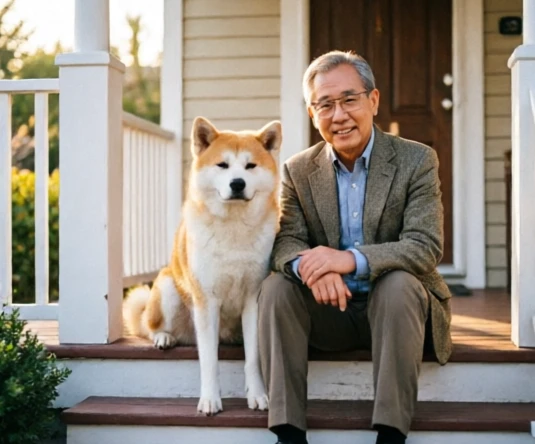
Richard Gere portrays Professor Parker Wilson, a music professor who becomes Hachi’s owner in the film. Joan Allen plays Cate Wilson, Parker’s wife, whose perspective adds another layer to the family’s relationship with the dog. Cary-Hiroyuki Tagawa also appears in the film as part of the supporting cast.
The character structure differs from the historical account. The real Hachikō was connected to Professor Hidesaburō Ueno in Japan, while Parker Wilson is a fictional character designed for the American adaptation.
Table of characters and historical connections
| Character or element | Historical connection | Film version |
|---|---|---|
| Professor role | Based on Professor Hidesaburō Ueno, Hachikō’s real owner in Japan. | Professor Parker Wilson is a fictionalized character played by Richard Gere. |
| Owner’s family | Not the main focus of the original Hachikō account. | Cate Wilson and family relationships are added to develop the drama. |
| Dog and owner bond | Hachikō became known for his attachment to Ueno. | Hachi’s relationship with Parker forms the emotional center of the movie. |
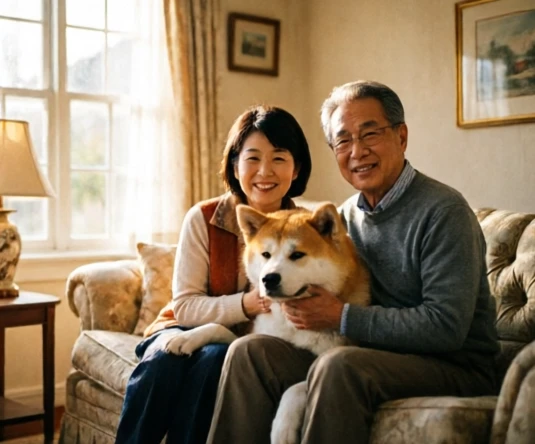
In practical film analysis, the easy-to-miss detail is that the emotional core is historically inspired, but many human characters exist only because the adaptation needed a broader family narrative.
The real Hachikō story behind the film adaptation
The real Hachikō story began in Japan with an Akita dog owned by Professor Hidesaburō Ueno. After Ueno died, Hachikō became famous for continuing to appear at Shibuya Station, the place associated with his daily routine with his owner.
The lasting image of Hachikō is not simply that he waited. It is that a repeated daily behavior became a public symbol of attachment, memory, and loyalty. The story attracted attention in Japan and later became known internationally through books, films, and the famous Hachikō statue near Shibuya Station.
A useful way to understand the movie is to compare the historical foundation with the creative decisions made for Hollywood.
Table of historical and film differences
| Story element | Real Hachikō history | Film portrayal |
|---|---|---|
| Dog and owner bond | Hachikō was an Akita owned by Professor Hidesaburō Ueno in Japan. | Hachi forms a bond with Professor Parker Wilson, a fictional character played by Richard Gere. |
| Station waiting | Hachikō became known for returning to Shibuya Station after his owner’s death. | The film keeps the station vigil as the central emotional event. |
| Setting and characters | The original events took place in Japan around Tokyo’s Shibuya Station. | The adaptation moves the story to Rhode Island and adds fictional family and community characters. |
Facts shared between history and Hollywood
The strongest connection between the real story and the movie is the repeated return to the station. Both versions focus on a dog continuing a familiar routine after losing the person who shaped that routine.
The major difference is the surrounding story. The real Hachikō account centers on Japanese history, Professor Ueno, and public remembrance. The film creates Parker Wilson, a fictional family, and an American setting to make the story accessible to a wider audience.
A common misunderstanding is treating every scene in the movie as a historical event. A better decision rule is to separate the elements: if it involves Hachikō’s public waiting and connection to Shibuya Station, it reflects the famous historical account; if it involves Parker Wilson’s family life, it belongs to the adaptation.
The Japanese original story context
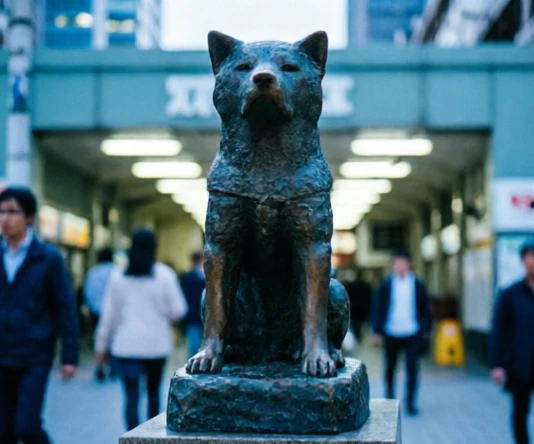
Hachikō’s importance in Japan extends beyond being the subject of a sad dog story. The Akita became a symbol connected with loyalty and remembrance. The Hachikō statue at Shibuya Station is a meeting point and a cultural landmark that keeps the story visible.
The historical timeline is also different from the movie’s presentation. The original story happened in early 20th-century Japan, while the 2009 film changes the location and social setting. The emotional idea remains similar, but the details belong to two different versions: historical Hachikō and fictional Hachi.
- Identify Shibuya Station as the location connected with Hachikō’s public memory.
- Recognize the Hachikō statue as a symbol of loyalty in Japan.
- Separate the real dog’s legacy from the fictional additions created for the film.
The Akita Inu connection to Hachi’s loyalty
Hachi in the Richard Gere movie is an Akita Inu, a Japanese dog breed known for its distinctive appearance and strong relationship with its owners. The breed choice matters because the Akita’s cultural identity is closely connected with Japan and with the historical Hachikō story.
Akitas are often described as loyal, independent, and reserved. These traits describe general breed tendencies, not a guarantee that every individual Akita will behave the same way. A dog’s personality is shaped by genetics, training, socialization, environment, and individual temperament.
From an editorial review of dog breed storytelling, the important distinction is that Hachi represents an exceptional bond, not a behavior that should automatically be expected from every Akita.
Table of Akita traits and Hachi’s portrayal
| Akita characteristic | General breed context | Hachi interpretation |
|---|---|---|
| Loyalty | Akitas are often associated with strong bonds with their owners. | Hachi’s return to the station represents a specific story of attachment. |
| Independence | Akitas may show an independent temperament compared with some highly people-focused breeds. | Hachi’s quiet persistence is presented as a unique expression of his bond. |
| Reserved nature | Akitas are known for a dignified and calm presence. | The film uses Hachi’s quiet behavior to strengthen his memorable character. |

The dogs used in Hachi: A Dog’s Tale portray the same breed type associated with the real Hachikō. The movie’s success depends partly on how the Akita’s appearance and calm presence support the story’s themes.
When comparing an Akita in a movie with a real household dog, check observable traits rather than assumptions. A calm posture or independent behavior may fit the breed description, but it does not predict every dog’s personality.
Why Hachi remains an emotional animal drama
The emotional power of Hachi: A Dog’s Tale comes from themes of attachment, memory, and loss rather than only from the plot event itself. The film shows how ordinary routines can become meaningful when they are connected to a relationship.
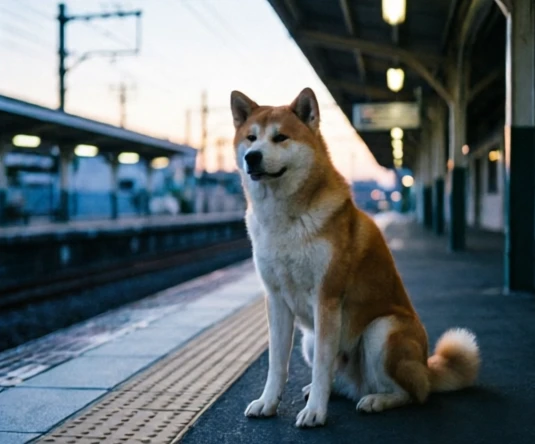
For viewers searching for a hachi a dog’s tale review richard gere, the key point is that the movie’s emotional approach comes from adapting a documented loyalty story into a personal family drama.
The film is also often described as the movie with Richard Gere and his dog because its central relationship defines the story for many viewers.
FAQ
Where can viewers watch Hachi: A Dog’s Tale?
Viewers can look for Hachi: A Dog’s Tale through available streaming platforms or film services in their region.
Is the dog actor who played Hachi still alive?
The film uses Akita dogs to portray Hachi, but the available story details focus on the character and its connection to the real Hachikō story rather than providing information about the individual dog actors’ current status.
Was Hachi: A Dog’s Tale the first film about Hachikō?
No, Hachi: A Dog’s Tale is a Hollywood adaptation of the Hachikō story rather than the first film connected to the famous Akita.
What happened to the real Hachikō after his famous vigil?
The real Hachikō became a symbol of loyalty and remembrance in Japan after continuing to appear at Shibuya Station following Professor Hidesaburō Ueno’s death.