
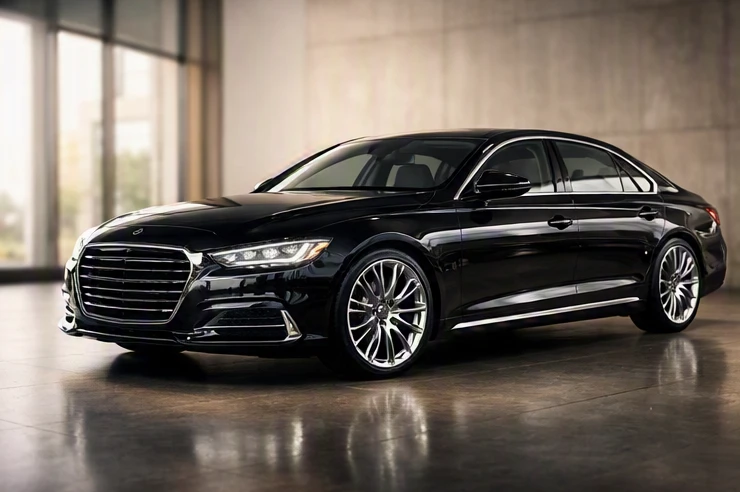
The Rolls-Royce Phantom VII is a full-size luxury saloon produced from 2003 to 2017 and the first modern Phantom generation of the BMW era. It features a 6.75L naturally aspirated V12 engine, aluminum spaceframe architecture, handcrafted interior, and variants including Extended Wheelbase and Drophead Coupé.
The Rolls-Royce Phantom VII is the first modern Phantom generation created after Rolls-Royce Motor Cars entered the BMW era, produced from 2003 to 2017 as a full-size luxury saloon. Readers evaluating a used example often face the problem of separating genuine historical significance from marketing language, especially when listings vary widely by year, specification, and condition. This guide explains the Phantom VII’s specifications, production history, interior features, variants, and market factors so you can judge what makes one example more significant than another.
The Rolls-Royce Phantom VII is a full-size luxury vehicle introduced in 2003 and built as the foundation of the modern Rolls-Royce brand. It combined traditional Rolls-Royce design themes, a handcrafted cabin, a naturally aspirated V12 engine, and a new aluminum spaceframe architecture developed for the BMW-era revival of the marque.
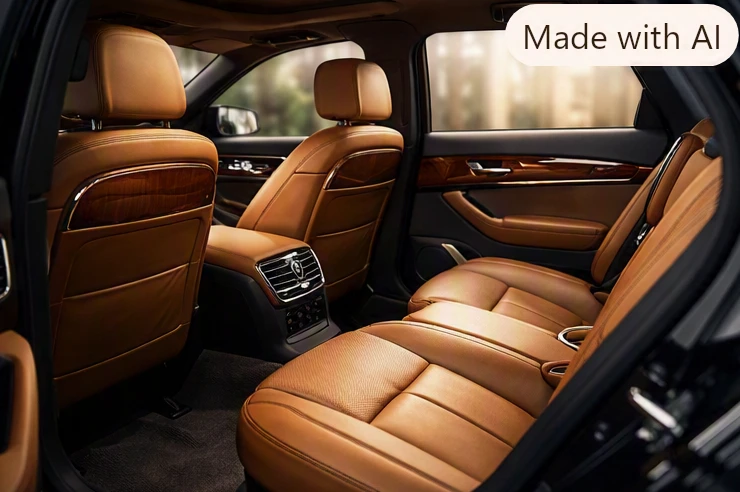
Rolls-Royce Phantom VII as a modern luxury landmark
The Phantom VII represented a reset for Rolls-Royce. Instead of being a continuation of earlier models, it established a new engineering and manufacturing direction while preserving recognizable elements such as the Spirit of Ecstasy hood ornament, rear-hinged suicide doors, and a focus on rear-seat comfort.
The broader history and pricing context of this flagship model can be explored through the Rolls-Royce Phantom price and model overview, which provides a wider view of the Phantom family.
The transition into the BMW era
The Phantom VII entered production in 2003 at the Goodwood factory, becoming the first Rolls-Royce model developed under BMW ownership. Its aluminum spaceframe architecture created a modern foundation for a vehicle that needed exceptional refinement while carrying full-size luxury-car proportions.
This generation is historically important because it rebuilt the Phantom name around a dedicated platform rather than adapting existing BMW models. The result was a vehicle designed specifically around Rolls-Royce priorities: isolation from road noise, effortless power delivery, and extensive personalization.
Core identity behind the Phantom VII name
The Phantom VII name identifies the seventh generation of the Phantom line. Its design emphasized presence rather than aggressive performance, with a tall grille, long body, and a cabin designed around passengers.
In practical luxury-car evaluation, the easy-to-miss point is that the Phantom VII’s appeal comes from the complete experience rather than one feature. The whisper quiet cabin, soft suspension tuning, and handcrafted details work together to create the model’s identity.