
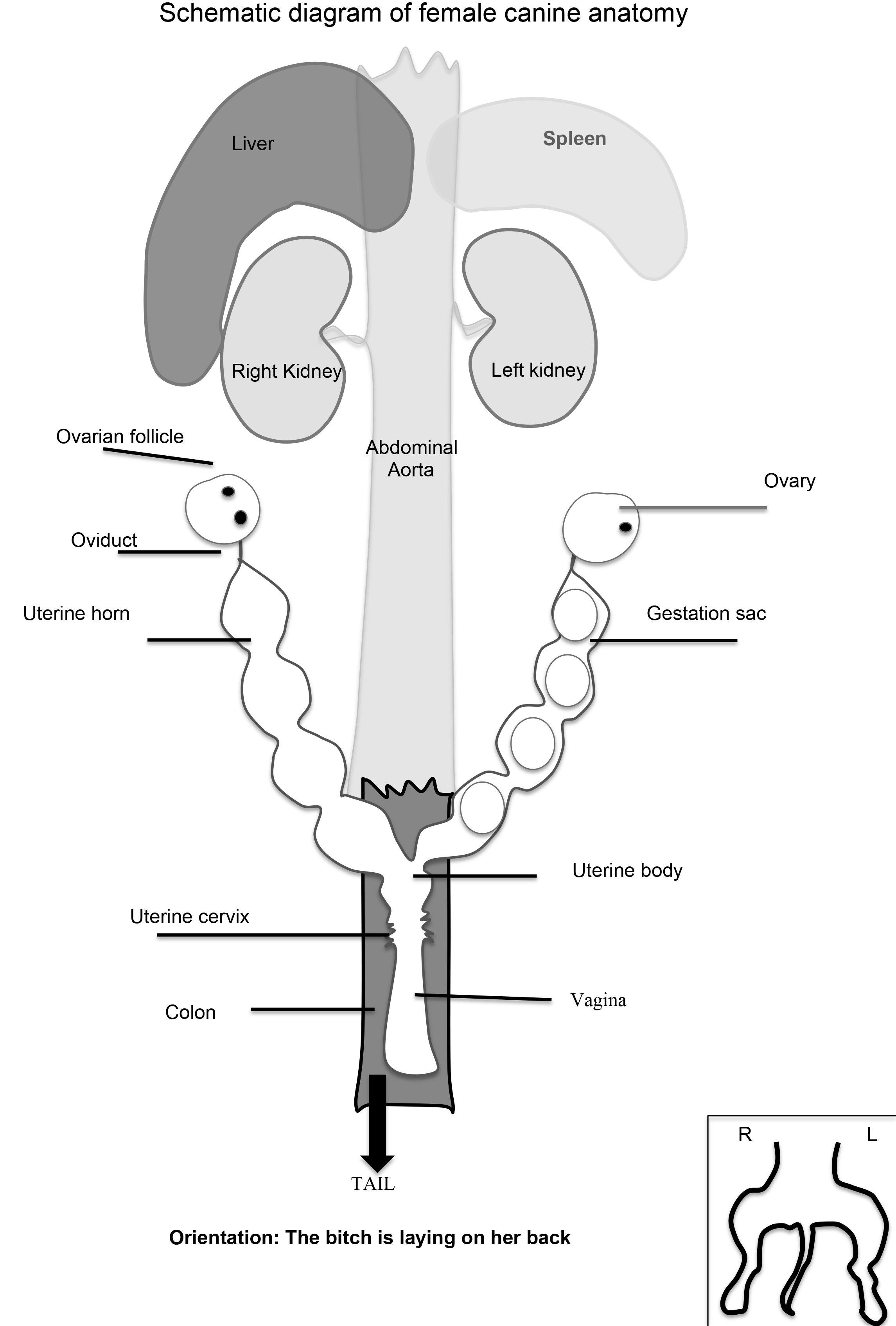
Understanding the reproductive systems of male and female dogs is crucial for breeders, veterinarians, and pet owners alike. Both sexes possess gonads responsible for producing reproductive cells and hormones, which are essential for reproduction and maintaining secondary sex characteristics.
Female Reproductive System: The Ovaries and Uterus
The ovaries are the female gonads, tasked with producing eggs (ova) and key female sex hormones like estrogen and progesterone. Estrogen plays a vital role in egg development, while progesterone prepares the uterus for potential pregnancy. Once a female dog reaches puberty and enters her estrous cycle (heat), her ovaries undergo changes in size and form. Each egg within the ovary is encased in a structure called a follicle. The estrous cycle is initiated when follicle-stimulating hormone (FSH) prompts these follicles to grow, leading to egg maturation and estrogen production. Elevated estrogen levels then signal the brain to release luteinizing hormone (LH), which triggers the release of mature eggs from the ovaries – a process known as ovulation. Following ovulation, the ovary produces progesterone, which further readies the uterus for pregnancy and stimulates the mammary glands for milk production.
The female genital tract comprises the vulva, vagina, cervix, uterus, oviducts (Fallopian tubes), and ovaries. The mammary glands, located on the chest and abdomen, are also considered part of the reproductive system. Small tubes called oviducts connect the ovaries to the uterus. The cervix, the lower part of the uterus, acts as a barrier against infection and separates the uterus from the vagina. The vagina, a muscular tube extending from the cervix to the outside, connects to the vulva, the external genital opening. Oviducts are attached to each ovary, transporting eggs to the uterus after ovulation. Fluids secreted within the oviducts create an optimal environment for egg survival, fertilization, and the initial stages of embryonic development. The proper functioning of both the uterus and cervix is indispensable for establishing and maintaining a pregnancy.
Infections acquired during mating can lead to female infertility by disrupting uterine function. Diagnosing infertility in females involves various methods, including X-rays, ultrasonography, physical examinations, evaluation of vaginal cells and discharge, and blood tests. The vagina and vulva serve as the copulatory organs and form the final part of the birth canal. They can also be entry points for infections, especially if the vulva is compromised by trauma, relaxation, or deformities.
Male Reproductive System: The Testes and Genital Tract
The testes are the male gonads, responsible for producing sperm and male sex hormones, primarily testosterone. Sperm maturation is influenced by FSH and testosterone. Testosterone is vital for the proper function of accessory sex glands (like the prostate), the development of male characteristics (such as larger size), and sexual behavior. For optimal sperm production, the testes must descend into the scrotum, a pouch of skin located outside the abdomen, as the regular body temperature is too high for normal sperm development. Testicular function can be assessed through semen sample evaluation and hormonal tests. Additionally, examination and measurement of the testes can help evaluate fertility and detect reproductive diseases.
In males, the genital tract provides a passageway for sperm cells and semen. The epididymis connects the testicle to the ductus deferens, which transports ejaculated sperm to the urethra. Sperm mature and are stored within the epididymis. Accessory sex glands, such as the prostate, produce the fluid component of semen. Cancers and inflammation of the genital tract can be diagnosed through physical examination or ultrasonography. Other diseases or functional abnormalities can be identified by testing semen samples.
Conclusion
A thorough understanding of canine reproductive anatomy and function is fundamental for responsible breeding and overall pet health management. Recognizing the roles of the gonads and genital tracts in hormone production, gamete development, and the processes of pregnancy and reproduction allows for better diagnosis and treatment of potential reproductive issues.
References
For more detailed professional information, refer to resources on the gonads and genital tract in animals.