
Does your dog constantly scratch, lick their paws, or rub their face against furniture? These behaviors often indicate skin irritation or allergies. Itchy skin is a common concern among pet owners, but there are safe and natural home remedies for itchy dogs that can provide temporary relief while addressing the underlying causes.
Understanding your dog’s skin issues is essential to managing discomfort effectively. Allergies can affect areas such as the ears, paws, belly, neck, and tail. Persistent scratching may damage the skin barrier, allowing bacteria and yeast to cause infections. Early intervention helps prevent more serious complications.
Why Dogs Experience Itchy Skin
Before trying remedies, it’s important to identify potential causes. Common triggers include:
- Environmental allergens like pollen, grass, and dust
- Flea bites
- Food sensitivities
- Dry skin
- Bacterial or yeast infections
Seasonal changes can worsen itching, especially in the ears and paws. Indoor heating during winter can dry out skin, making irritation more likely. Recognizing the source allows you to choose the most effective treatment strategy.
Signs Your Dog May Have Skin Allergies
Watch for these indicators:
- Excessive scratching or licking
- Red or inflamed skin
- Hair loss or patchy fur
- Chewing at paws
- Ear shaking or frequent head rubbing
- Hot spots or scabs
- Thickened skin around the belly or neck
Persistent paw licking or rubbing the face against surfaces often signals an allergic reaction affecting the skin and ears.
7 Effective Home Remedies for Itchy Dogs
Here are natural, veterinarian-approved methods to soothe irritated skin.
1. Oatmeal Baths
Oatmeal has anti-inflammatory properties that calm itchy skin, especially on the belly, paws, and chest.
How to use:
- Grind plain oatmeal into a fine powder
- Mix with warm (not hot) water
- Soak your dog for 10–15 minutes
- Rinse thoroughly and gently pat dry
Oatmeal baths can reduce redness and itching almost immediately.

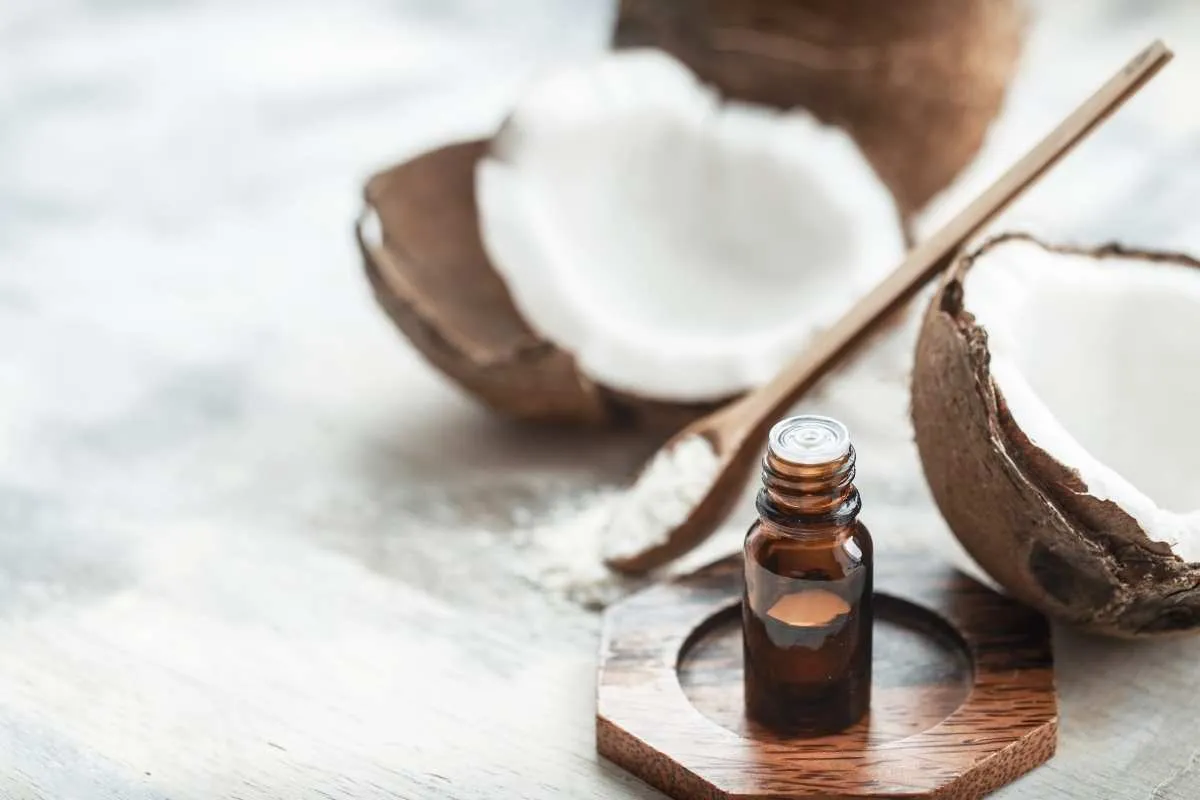
2. Coconut Oil for Dry Skin
Coconut oil moisturizes flaky skin and has natural antibacterial properties. Apply sparingly to areas like:
- Dry elbows
- Irritated paws
- Itchy neck patches
Excessive oil can clog pores or upset digestion if ingested.
3. Apple Cider Vinegar Spray
Apple cider vinegar helps reduce bacteria and yeast on the skin but should never be applied to open wounds.
Instructions:
- Mix equal parts water and apple cider vinegar
- Spray lightly on itchy areas
- Avoid eyes and ears
Discontinue use if redness worsens.
4. Omega-3 Fatty Acids
Omega-3 supplements support the skin barrier, reduce inflammation, and improve coat shine and elasticity. Always consult a veterinarian before adding supplements to your dog’s diet.
5. Aloe Vera Gel
Pure aloe vera cools hot spots and reduces inflammation. Apply a thin layer to red patches on the belly, legs, or tail base. Ensure the product contains no alcohol or artificial additives.
6. Chamomile or Green Tea Rinse
Tea has natural anti-inflammatory effects. Steep tea bags, allow the liquid to cool, and apply gently with a soft cloth. This method is effective for:
- Red paws
- Mild facial irritation
- Minor rashes
7. Regular Grooming and Paw Care
Routine brushing removes allergens trapped in fur, while wiping paws after outdoor walks reduces exposure to pollen and grass. Grooming prevents matting, which can trap moisture and bacteria, promoting healthier skin.
When to Seek Professional Help
While home remedies for itchy dogs can provide relief, chronic or severe itching requires veterinary attention. Seek care if your dog has:
- Open sores or persistent ear infections
- Severe hair loss
- Thickened, darkened skin
- Constant scratching despite treatment
Professional evaluation can determine underlying issues and offer effective treatments.
Professional Care for Chronic Allergies
Veterinarians may perform:
- Skin scrapings
- Allergy testing
- Bloodwork
- Diet trials
Some dogs benefit from prescription medication or allergy injections. Visiting an experienced animal hospital ensures proper diagnosis and treatment.
Preventing Future Skin Flare-Ups
Proactive care reduces discomfort and future vet visits:
- Year-round flea prevention
- Balanced diet
- Weekly washing of bedding
- Regular vacuuming
- Clean and dry ears
- Routine wellness exams
These steps strengthen the immune system and reduce allergy triggers.
Seasonal Allergy Awareness
Spring and fall can increase exposure to environmental allergens, leading to itchy paws, watery eyes, and irritated ears. Long-term allergy management strategies may be recommended if symptoms are seasonal.
Itchy skin can make dogs restless and uncomfortable. Safe home remedies for itchy dogs provide temporary relief, but persistent or severe symptoms require professional evaluation to prevent infections and long-term skin damage. For dog owners in Hopewell Junction, NY, contact Hudson Highlands Veterinary Medical Group for compassionate care and effective allergy treatments.
Frequently Asked Questions
Q1. Can human anti-itch cream be used on dogs?
No. Human products often contain ingredients unsafe for pets.
Q2. How often can oatmeal baths be given?
Once or twice weekly is generally safe unless directed otherwise.
Q3. Why does my dog chew their paws constantly?
Paw chewing often indicates environmental allergies or yeast infection.
Q4. Are food allergies common in dogs?
Yes. Proteins like chicken or beef can trigger allergic reactions.
Q5. When should I be concerned about itching?
Consult a veterinarian if scratching leads to bleeding, hair loss, or ear infections.
Q6. Can puppies get skin allergies?
Yes. Allergies can develop at any age.
Related Articles

High Liver Enzymes in Dogs: Causes, Symptoms, and Treatment
8 Key Benefits of Coconut Oil for Cats You Should Know
 Collection of cute and rare cat breeds
Cute Cat Breeds You Probably Never Heard Of