
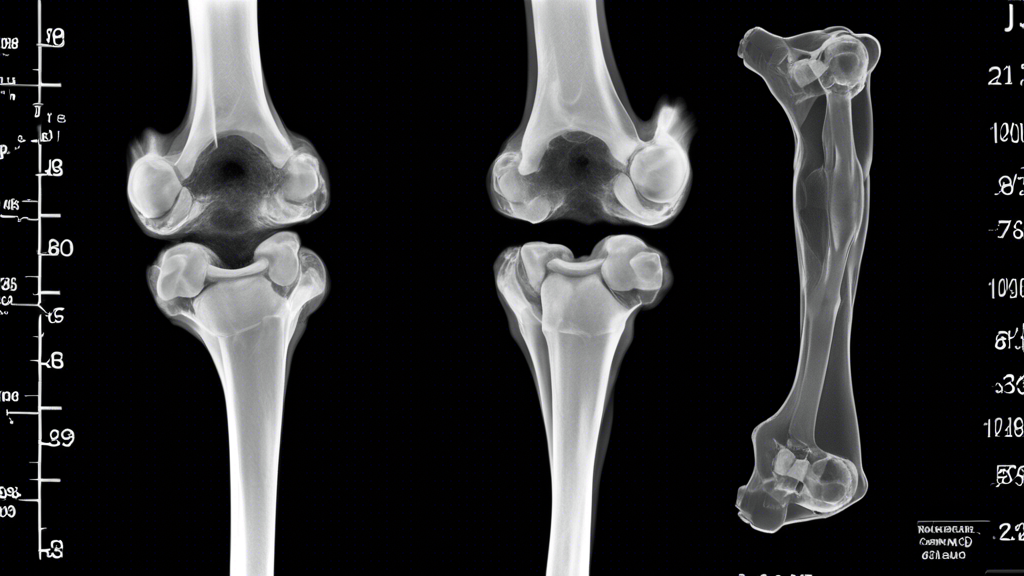
Osteoarthritis, often referred to as degenerative joint disease or simply arthritis, is a prevalent condition that affects pets of all ages, breeds, and sizes. Just like in humans, arthritis in dogs and cats can lead to chronic pain, significantly reducing their quality of life and enthusiasm for daily activities. Whether you have a playful puppy, a regal senior cat, or a hardworking service dog, understanding the nuances of osteoarthritis management is essential for ensuring their long-term comfort. While there is currently no cure for this progressive disease, a multi-modal approach focusing on prevention and integrated care can help your furry friend lead a happy, active life.
Understanding and Diagnosing Pet Arthritis
Osteoarthritis occurs when the protective cartilage that cushions the ends of the bones wears down over time. This leads to inflammation, bony growths, and pain within the joint. Common signs that your pet might be struggling include lameness, reluctance to jump or climb stairs, decreased activity levels, and a noticeable loss of interest in walks or play.
Diagnosing the condition is generally a straightforward process for veterinary professionals. It typically involves:
- Physical Examinations: Observing the pet’s gait and joint range of motion.
- Radiographs (X-rays): These allow vets to see structural changes in the bone and joint space.
- Surgical Observation: In some cases, cartilage changes are identified during arthroscopic procedures.
Annual X-rays are often recommended for affected joints to monitor the progression of the disease and adjust treatment plans accordingly.
The Cornerstones of Effective Management
Treating osteoarthritis requires looking at the patient as a whole. It isn’t just about the cartilage; it involves the joint capsule, surrounding ligaments, and muscle mass. A successful management plan usually integrates several “cornerstones” to achieve the best results.
1. Weight Management: The Most Critical Factor
Maintaining a lean body conformation is the single most important thing a pet owner can do. Excessive weight puts undue stress on inflamed joints, accelerating damage. Research has shown that “skinny” dogs not only have less arthritis but also enjoy a longer life expectancy. In fact, a 25% restriction in food intake has been shown to increase median lifespan by approximately two years and delay the onset of degenerative diseases.
To assess your pet’s weight, veterinarians often use the Body Condition Score (BCS). Keeping your pet at an ideal weight can significantly decrease the lameness associated with existing arthritis.
2. Exercise Modification and Physical Rehabilitation
Regular, low-impact physical activity is vital. Avoid “weekend warrior” syndrome—where a pet is sedentary all week and then goes on a grueling hike on Sunday. Instead, opt for multiple shorter walks daily.
Physical Rehabilitation with a certified practitioner can be transformative. Techniques include:
- Underwater Treadmills: Provides buoyancy to reduce weight-bearing stress while building muscle.
- Passive Stretching: Improves range of motion.
- Targeted Exercises: Walking through tall grass or around obstacles to improve coordination and strength.
3. Joint Supplements and Nutraceuticals
Nutraceuticals serve as building blocks for joint cartilage and help inhibit destructive enzymes.
- Omega-3 Fatty Acids: Specifically EPA, found in fish oil (salmon oil), is highly effective at reducing joint inflammation.
- Glucosamine and Chondroitin: Agents like Cosequin® or Dasuquin® help support cartilage health.
- PSGAGs (Adequan): These are injectable medications that can help repair damaged cartilage and interfere with pain pathways.
4. Pain Medications
When lifestyle changes aren’t enough, medications are used to manage discomfort.
- NSAIDs (Non-steroidal Anti-inflammatory Drugs): These are highly effective but require veterinary supervision to monitor kidney and liver health.
- Tramadol and Gabapentin: Often used in combination with NSAIDs to provide multi-layered pain relief with fewer gastrointestinal side effects.
Surgical and Alternative Options
In advanced cases, surgery may be necessary. This can range from joint stabilization (like TPLO for ligament ruptures) to Total Hip Replacement or joint fusion (arthrodesis) to eliminate pain entirely.
For pets who do not respond well to traditional medicine, alternative therapies such as Low-Level Laser Therapy, Shockwave Therapy, or Acupuncture offer additional avenues for relief.
Conclusion
Managing osteoarthritis in dogs and cats is a lifelong commitment that requires a proactive and comprehensive approach. By focusing on weight control, consistent moderate exercise, and the strategic use of supplements and medications, you can significantly improve your pet’s mobility. Always consult with your veterinarian to tailor a plan specifically for your pet’s needs. Early intervention is the key to keeping those tails wagging and paws moving comfortably for years to come.
References
- Colorado State University (CSU) Veterinary Teaching Hospital – Orthopedic Medicine.
- Nestle PURINA Body Condition Scoring System.
- Evidence-Based Veterinary Medicine on Omega-3 Fatty Acids for Osteoarthritis.