
Reggae emerged as a distinctive musical genre in the late 1960s, representing far more than just a collection of rhythmic patterns and melodic structures. This genre, born from the streets of Jamaica, encapsulates the spirit of freedom, cultural resistance, and universal messages of peace that continue to resonate with audiences across the globe. The term “Reggae” itself, which became internationally recognized through Toots & the Maytals’ 1968 single “Do the Reggae,” represents a fusion of earlier musical traditions including Ska, Mento, and Rock Steady. What truly transformed Reggae from a regional Jamaican sound into a worldwide phenomenon was the iconic presence of Bob Marley, whose transcendent artistry and powerful message elevated this music genre to legendary status. Today, more than half a century after its formal inception, Reggae remains an enduring cultural touchstone that continues to inspire musicians, activists, and listeners seeking authentic expression and social consciousness through music.
The Distinctive Characteristics of Reggae Music
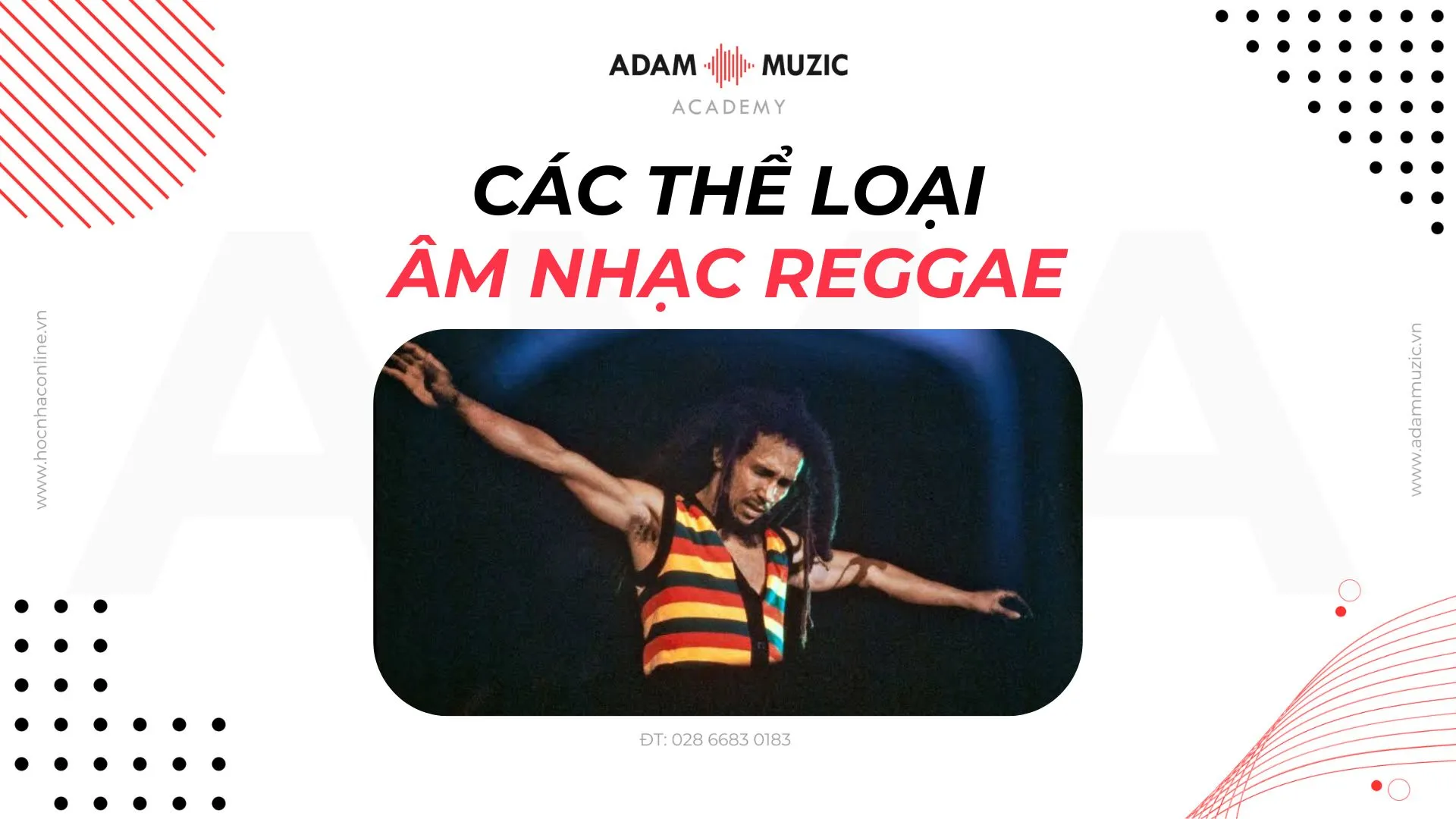
Reggae’s unique identity stems from its grassroots origins on Jamaica’s streets, where artistic authenticity took precedence over commercial polish. This street-level foundation established the genre’s foundational ethos: raw honesty, liberation of spirit, and lyrics grounded in everyday life experiences. From political narratives to intimate stories about love and struggle, Reggae artists transformed mundane moments into profound musical statements. The genre consistently promotes values of humility, peaceful coexistence, and genuine human connection, messages that differentiate Reggae from more commercially-driven musical styles of the era.
The most recognizable musical characteristic of Reggae lies in its revolutionary approach to rhythm and emphasis. Unlike conventional Western musical traditions that emphasize beats on the first and third counts, Reggae musicians place rhythmic accents on the offbeats—the second and fourth counts within each measure. This syncopated approach, typically executed through guitar or keyboard strumming patterns, generates the genre’s signature “skank” sound. This rhythmic innovation creates an unmistakable sense of relaxation and propulsive movement simultaneously, drawing listeners into a rhythmic groove that feels both intentional and spontaneous. The offbeat emphasis revolutionized popular music and became instantly recognizable as the sonic fingerprint of authentic Reggae.
The visual aesthetic of classic Reggae musicians became equally iconic as the music itself. The Dreadlock hairstyle, worn by performers and embraced as a cultural symbol, represented more than mere fashion—it embodied spiritual and cultural meaning rooted in Rastafarian philosophy. These long, rope-like locks symbolized a connection to ancestral roots and natural spirituality. Contemporary to this visual statement, Reggae musicians adopted clothing that incorporated the colors of the Rastafarian flag: red representing the blood of enslaved ancestors, gold symbolizing the sun and natural wealth, and green signifying the earth, vegetation, and hopeful visions of future prosperity. These three colors transcended mere aesthetic choice, becoming powerful visual manifestations of Reggae’s commitment to historical consciousness and spiritual awakening.
Bob Marley: The Legendary Voice Who Transformed Reggae Into a Global Movement
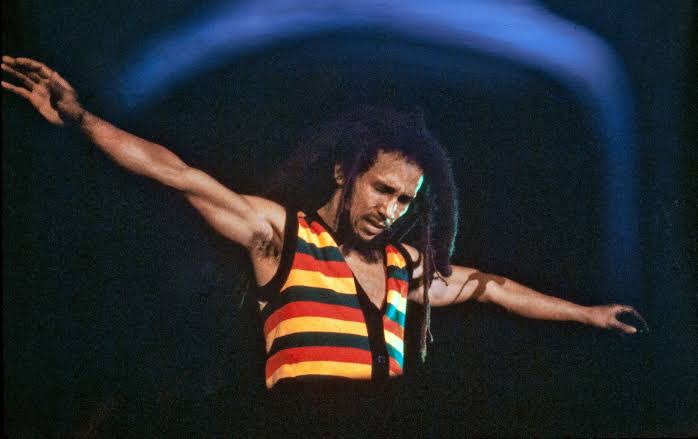
Just as Italy is synonymous with pizza and France with the Eiffel Tower, the name Bob Marley has become permanently linked with Reggae music itself. When international audiences think of Reggae, they invariably envision this legendary artist whose extraordinary talent and unwavering commitment to his craft elevated the genre from Jamaica’s local expression to humanity’s global musical inheritance. Bob Marley transformed from a Jamaican music figure into an international cultural icon whose influence extended far beyond entertainment into political consciousness, spiritual awakening, and social justice movements.
Born on February 6, 1941, in Jamaica, Robert Nesta Marley inherited a unique cultural legacy shaped by his mixed heritage. His English father and Jamaican mother represented two distinct cultural worlds that converged in his identity. While this dual heritage subjected young Marley to racial prejudice and social marginalization during his childhood, it simultaneously provided him with access to diverse musical influences and profound understanding of Jamaica’s complex colonial history. This experience of navigating cultural duality informed his later artistic vision and enabled him to create music that transcended racial and national boundaries.
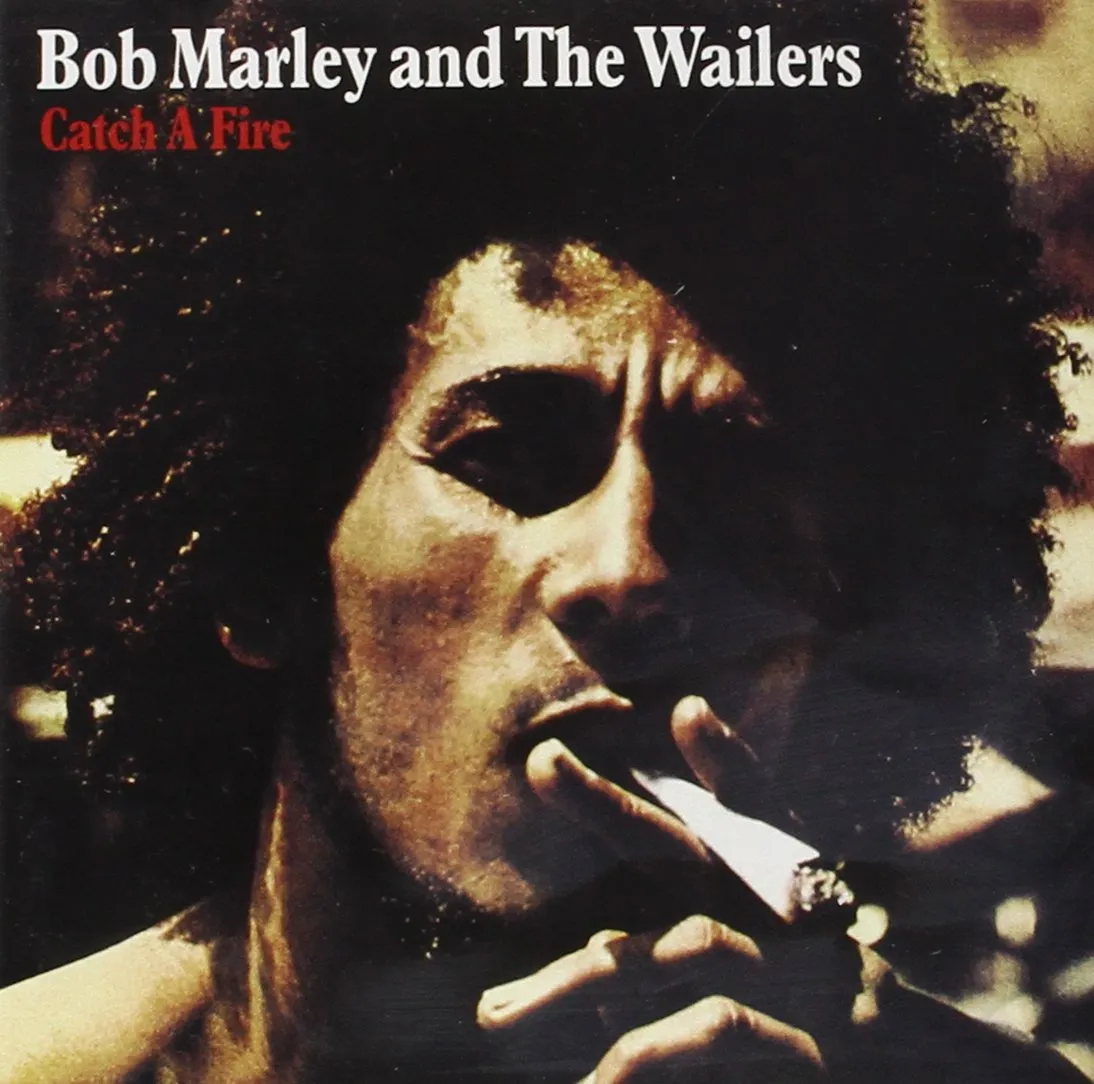
Marley’s musical journey began remarkably early, with his first recordings “Judge Not” and “One Cup of Coffee” released when he was merely fourteen years old. Despite these early efforts, these initial recordings failed to generate significant commercial success or critical recognition. Rather than abandoning his artistic ambitions, Marley persisted with determination and artistic conviction. By 1973, his persistence bore remarkable fruit when the album “Catch a Fire,” released through the prestigious Island Records label, achieved tremendous commercial and critical success throughout the United States and across Europe. This breakthrough album introduced international audiences to Marley’s distinctive vocal style and his sophisticated approach to blending Reggae rhythms with contemporary production techniques.
Beyond the instrumental sophistication and melodic refinement of his compositions, Marley possessed an extraordinary gift for communicating universal human values through his lyrics. His songs advocated for the elimination of racial discrimination, promoted messages of unity and brotherhood, and encouraged listeners to aspire toward higher spiritual consciousness. During an era when racial tensions remained deeply embedded in social structures across multiple continents, Marley’s music offered a counter-narrative of reconciliation and human dignity. His ability to address social injustice without sacrificing artistic beauty or commercial accessibility made him uniquely influential in both musical and political spheres.
The trajectory of Marley’s international success accelerated dramatically throughout the mid-1970s. The Wailers, Marley’s backing band, undertook major European tours in 1975 that cemented his status as a transformative artistic force. The image of this charismatic performer, crowned with distinctive Dreadlocks and radiating spiritual presence, captured the global imagination. The iconic visual presentation of Bob Marley—simultaneously threatening to conservative establishments yet deeply spiritual to his devoted followers—became emblematic of Reggae itself. This image transcended music to become a visual motif that symbolized counterculture resistance, spiritual seeking, and freedom from societal constraints throughout the late twentieth century.
At the zenith of his creative powers and international influence, Marley received a devastating diagnosis of cancer in 1980. Despite this health crisis, his artistic and philosophical legacy remained uncompromised. Marley passed away on May 11, 1981, at a Miami hospital, his physical presence extinguished but his artistic and spiritual contributions permanently embedded within human consciousness. Though Jamaica’s greatest cultural ambassador departed from the physical realm, the values he championed through his music—messages of peace, unity, resistance to oppression, and transcendent human connection—continue to inspire successive generations of musicians, activists, and dreamers worldwide. His influence expanded posthumously, reaching audiences who discovered his music decades after his death and finding in it relevant commentary on contemporary social struggles and spiritual yearnings.
The Enduring Legacy of Reggae in Contemporary Culture
The transformation of Reggae from a Jamaican musical expression into a global phenomenon represents one of popular music’s most significant cultural migrations. Bob Marley’s singular vision and artistic genius served as the primary catalyst for this international ascension, yet the genre’s persistence and continued vitality speak to reggae music’s deeper spiritual and social resonance. Contemporary musicians across diverse genres continue to reference Reggae’s influence, sample its classic recordings, and incorporate its rhythmic and philosophical elements into their own artistic work.
Reggae’s message of social consciousness, spiritual awakening, and peaceful resistance remains remarkably relevant in contemporary contexts marked by ongoing struggles for justice and human dignity. The genre’s fundamental commitment to expressing truths about marginalized communities and challenging systems of oppression resonates with modern audiences confronting similar inequalities. Young musicians discover Reggae’s back catalog and find within it not merely historical artifacts but living blueprints for socially conscious artistic expression.
Conclusion
Reggae music stands as one of humanity’s most significant cultural achievements, representing far more than a collection of musical techniques or commercial entertainment products. This genre embodies the creative resilience of Jamaica’s people, their refusal to accept cultural erasure, and their insistence on expressing authentic human experience through artistic means. Bob Marley’s legendary contributions—his revolutionary approach to vocal performance, his sophisticated songwriting, and his unwavering commitment to liberatory messages—transformed Reggae from regional expression into global voice. The genre’s emphasis on offbeat rhythmic patterns, its promotion of peace and unity, and its visual aesthetic of spiritual consciousness created a complete artistic package that transcended entertainment to become a movement for human liberation.
The enduring vitality of classic Reggae recordings demonstrates music’s capacity to transcend temporal boundaries and continue speaking meaningfully to new generations. As contemporary listeners encounter Bob Marley’s immortal compositions or discover other pioneering Reggae artists, they access not merely nostalgic entertainment but philosophical frameworks for understanding resistance, spirituality, and human connection. Whether through Marley’s iconic recordings or the continued work of modern Reggae practitioners, this remarkable genre continues fulfilling its foundational mission: transforming human suffering into artistic beauty and channeling individual experience into messages of collective liberation.
Explore further the timeless melodies and transcendent messages of Reggae music—discover how this Jamaican musical treasure continues to inspire hope, promote peace, and unite humanity across all boundaries.