
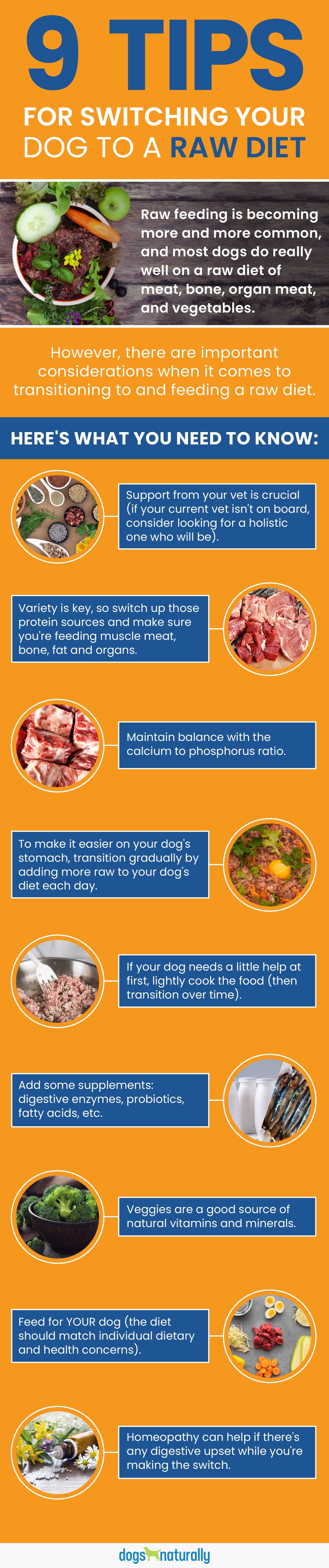
The popularity of raw meat-based diets (RMBDs) for dogs and cats is on the rise, with sales increasing by at least 15% annually. Approximately 15% to 25% of dogs and 10% of cats are now fed some form of raw meat, and many owners also supplement their pets’ diets with raw eggs or meat, often without informing their veterinarian. This article delves into the various types of raw pet foods, their advantages and disadvantages, safety concerns, and the challenges and opportunities they present to veterinarians.
My approach to pet nutrition is guided by several priorities: the safety of the family and the pet, ensuring a complete and balanced diet, finding food that allows the pet to thrive, and selecting a plan that is practical for the owner long-term. I offer a range of dietary recommendations, including high-quality commercial foods, home-prepared cooked diets, and various types of commercial or home-prepared raw meat diets. The final decision always rests with the pet owner, made after a thorough discussion considering factors like family health, pet’s specific needs, and owner’s lifestyle and financial constraints. All recommendations and decisions are carefully documented in the pet’s medical record.
Types of Raw Pet Foods
Raw pet diets are available in several forms:
- Home-prepared RMBDs: These require careful balancing of calcium, vitamins, minerals, and taurine, often with guidance from a veterinary nutritionist.
- Commercial raw diets (not complete and balanced): These typically need the addition of bones, vitamin and mineral supplements, and other ingredients to become nutritionally complete.
- Commercial raw frozen, freeze-dried, and dehydrated complete and balanced diets: These diets vary in their processing. Freezing kills a portion of microorganisms, while freeze-drying and dehydration reduce moisture content. High Pressure Pasteurization (HPP) is a process that kills most bacteria without altering nutritional quality.
RMBDs are generally more expensive than traditional kibble due to the use of high-quality ingredients and additional processing. However, addressing a pet’s health issues through diet can ultimately be more cost-effective than managing chronic conditions with medications and frequent vet visits.
Potential Benefits of Raw Diets
In my experience, RMBDs can be beneficial for pets with food allergies, often manifesting as digestive upset, ear infections, or skin issues. Limited ingredient raw diets can help identify and manage these allergies. For cats with digestive sensitivities to carbohydrates, high-protein, low-carbohydrate RMBDs may help stabilize or even reverse conditions like diabetes. Some owners also report that their pets are more active, have improved coats, and better breath when fed RMBDs. While objective, peer-reviewed studies on these benefits are limited, the positive changes observed in individual pets are often compelling.
Drawbacks and Safety Concerns of Raw Diets
Key concerns with RMBDs include ensuring they are complete and balanced according to AAFCO standards, which can be challenging when relying solely on whole food ingredients. The cost and time commitment required for preparing and handling raw food are also significant considerations.
Safety issues are paramount. While most dogs and cats can tolerate the bacteria in raw meat due to their acidic stomach pH, raw diets are not suitable for pets with compromised immune systems due to illness or medications. For such pets, cooked or HPP-treated raw diets may be a safer alternative.
Raw pet food poses similar risks of pathogenic bacteria to humans as raw meat and eggs do. This is a particular concern in households with pregnant individuals, young children, the elderly, or immunocompromised individuals. Proper food handling, hygiene, and thorough cleaning are essential to minimize these risks. I always emphasize safe meat handling practices and recommend HPP foods when safety is a primary concern for the family or pet. Many owners who choose RMBDs are well-informed and conscientious about these safety measures.
Veterinary Considerations and Opportunities
The increasing prevalence of RMBDs presents both challenges and opportunities for veterinarians. We must prioritize our own safety and that of our staff, assuming all pets can be carriers of zoonotic microorganisms. It is our responsibility to advise clients about the potential risks and benefits of RMBDs, documenting all discussions and recommendations in the pet’s medical record. Various veterinary associations have issued statements discouraging the use of RMBDs, emphasizing the importance of hygiene measures to minimize disease transmission.
Clients who choose RMBDs may sometimes have lower trust in general veterinary advice, especially regarding nutrition. When veterinarians respond solely with negativity, these clients may become less forthcoming about their pet’s diet, seek information elsewhere, or distrust other medical recommendations. This creates an opportunity for veterinarians who are knowledgeable and supportive of RMBDs to build credibility and provide valuable guidance. By being informed about the advantages and disadvantages, veterinarians can engage these conscientious pet owners, offer evidence-based advice, and ensure the best possible care for their pets.
In conclusion, while RMBDs may not be suitable for all pets or owners, they can be effective in managing certain health issues, particularly gastrointestinal problems, and can contribute to overall well-being. Open communication, thorough documentation, and a balanced approach that considers both the pet’s health and the family’s safety are crucial when discussing raw diets with clients. Ultimately, veterinarians play a vital role in helping pet owners make informed decisions to optimize their pets’ quality of life.