
Many dog owners are surprised to learn that dogs can develop allergies to their food at any point in their lives, even after years of consuming the same ingredients. If your dog suddenly starts experiencing gastrointestinal issues or skin problems, their dog food might be the culprit. It’s important to note, however, that true food allergies are less common than environmental or skin allergies in dogs.
Food Allergy vs. Food Intolerance
A food allergy in dogs occurs when their immune system mistakenly identifies a certain molecule in their food as a threat. More often, what appears to be an allergy is actually a food intolerance. The term “adverse food reaction” is the accurate medical terminology because it’s difficult to distinguish between the two without professional diagnosis. The key difference lies in the underlying mechanism: intolerances are not immune-system related, while allergies are. For instance, ingesting excessive fat might lead to an intolerance.
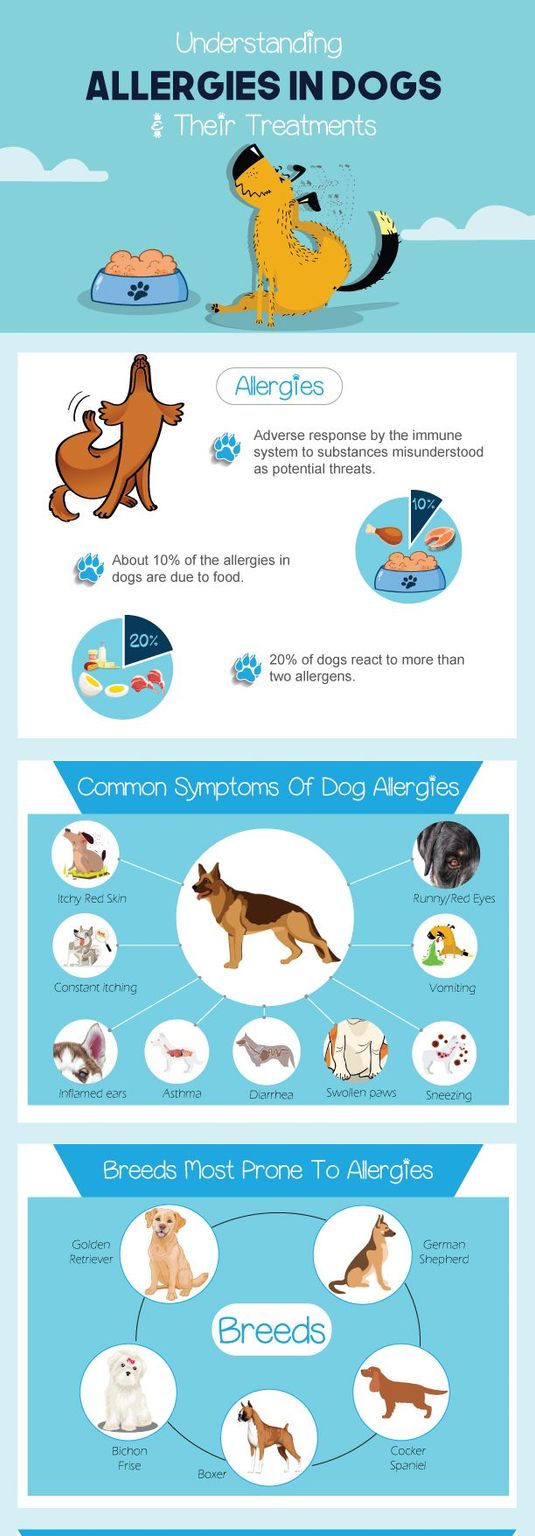
The manifestation of symptoms can help differentiate: skin reactions, such as intense itching and recurrent ear infections, are more indicative of an allergy. Conversely, gastrointestinal issues like vomiting and diarrhea might point towards an intolerance. However, if a dog exhibits both skin and GI symptoms, an allergy is more likely. Your veterinarian is the best resource to help you decipher these symptoms and determine the exact cause.
Common Dog Food Allergy Symptoms
Signs that your dog may have a food allergy include:
- Gastrointestinal Upset: Vomiting, diarrhea, and excessive gas.
- Skin Issues: Intense itching and scratching, leading to red, irritated skin. Chronic ear infections and recurrent bacterial, fungal, or yeast infections can also be symptoms.
- Weight Loss: Unexplained decrease in body weight.
- Excessive Licking: Constant licking, particularly of paws or other body parts, often due to itchiness.
Breeds Prone to Food Allergies
While any dog, including mixed breeds, can develop food allergies, certain breeds appear to be more susceptible. These include:
- Chinese Shar-Pei
- West Highland White Terrier
- Wirehaired Fox Terrier
- Boston Terrier
- Scottish Terrier
- Golden Retriever
- Labrador Retriever
- Lhasa Apso
- Shih Tzu
- Boxer
- Dalmatian
Food allergies typically emerge when dogs are between one and three years old, though this is not a hard-and-fast rule.
Understanding Protein Allergies in Dogs
Any ingredient in a dog’s food has the potential to trigger an adverse reaction, but only proteins are capable of eliciting a true food allergy. Scientific research indicates that beef is the most common protein allergen in dogs, followed by dairy and poultry. The dog’s immune system may overreact to the presence of these specific proteins. A protein intolerance, on the other hand, occurs when a dog’s digestive system struggles to properly break down a particular protein ingredient.
If you suspect your dog might be allergic to meat, it’s possible they could react negatively to all animal proteins, but this is generally unlikely. If the animal protein in their current diet is causing issues, exploring formulas with different meat sources could be beneficial. Some owners consider vegetarian or vegan diets, but it’s crucial to ensure these are complete, balanced, and properly formulated with all essential nutrients for your pet.
The Role of Grains in Dog Food Allergies
Grains and gluten often receive attention for their supposed negative impact on canine health. While every owner must decide what’s best for their pet, it’s important to understand that grains are a healthy source of nutrients and not a significant cause of allergies in dogs. If you are concerned about symptoms that appear to be related to grains, consulting your veterinarian is recommended.
Novel Proteins and Alternative Ingredients
Fortunately, numerous food options are available that exclude ingredients commonly associated with dog food allergies and intolerances. A novel protein is a protein source that your dog has not been exposed to before. Switching to a new protein source can help alleviate clinical signs. However, be aware that over-the-counter limited ingredient diets can sometimes be cross-contaminated with other protein sources. If grains or other specific ingredients are a concern, grain-free options and foods made without wheat, corn, or soy are available.
Diagnosing Dog Food Allergies
If your dog presents with both gastrointestinal and skin allergy symptoms, your veterinarian will likely suspect a food allergy over other potential causes. They may recommend an elimination diet, which is considered the gold standard for diagnosing food allergies in pets. This process involves exclusively feeding your dog a highly hydrolyzed or novel protein diet for a minimum of 4 to 12 weeks. During this period, no other foods, treats, or flavored supplements – including some flavored heartworm and flea prevention chews – are permitted.
If your dog’s clinical signs improve during the elimination diet, the next step is a re-challenge. This involves reintroducing other ingredients back into their diet one by one, carefully observing their reaction to each. Once you and your veterinarian have successfully identified the ingredient causing the allergy, you can transition to a food that is free from that specific trigger. Remember, the ideal diet for a dog with food allergy symptoms is one that provides both relief and complete nourishment. Always discuss options with your veterinarian and ensure any food transitions are made gradually to prevent further digestive upset.