
Every dog owner knows the distress that comes with their furry friend experiencing diarrhea. It’s a common ailment, and while often uncomfortable, it can be managed with the right approach. Before resorting to complex treatments, consider a simple, natural solution: pumpkin. This versatile ingredient can offer significant benefits for your dog’s digestive health, addressing both diarrhea and constipation. This article explores how pumpkin works, what type to use, and the right dosage to help your canine companion feel better.
Understanding the Causes of Dog Diarrhea
Diarrhea in dogs can stem from a wide range of issues, from minor dietary indiscretions to serious infections like parvovirus. It’s crucial to identify the underlying cause, as diarrhea can be a symptom of a life-threatening illness. Stress or sudden changes in diet can also lead to an upset stomach and loose stools. For mild cases, a dietary supplement like pumpkin or a bland diet can be very effective. This might include a homemade mixture of white rice and boiled, skinless chicken, or a veterinarian-prescribed bland diet.
However, if your dog experiences persistent diarrhea, bloody stools, or if you are dealing with a puppy experiencing diarrhea, it’s imperative to seek veterinary attention immediately. Puppy diarrhea, in particular, can be a sign of a serious illness and should always be treated as a potential emergency. Once a veterinarian has diagnosed the issue and outlined a treatment plan, incorporating pumpkin into your dog’s diet can be a beneficial complementary therapy.
Can Pumpkin Aid in Managing Dog Diarrhea?
Pumpkin is a nutrient-dense food packed with fiber, vitamins, and minerals. It contains soluble fiber, which absorbs excess water in the intestines, adding bulk to the stool and promoting firmer bowel movements. This fiber also acts as a prebiotic, feeding beneficial gut bacteria and inhibiting the growth of harmful ones. The fermentation of fiber produces fatty acids that nourish intestinal cells and aid in nutrient absorption.
These properties make pumpkin an excellent aid for certain types of dog diarrhea. Veterinarians often recommend either a highly digestible diet or one rich in prebiotics (fiber) for dogs with digestive upset. In some cases, probiotics—supplements containing live beneficial bacteria—may also be suggested. Pumpkin can effectively act as a prebiotic booster, enhancing the effects of probiotics.
It’s important to remember that pumpkin is most effective for mild, non-serious cases of diarrhea. It is not a substitute for professional veterinary care, especially if your dog exhibits other symptoms like lethargy, fever, vomiting, or weakness. In such instances, immediate consultation with your veterinarian is crucial.
Selecting the Right Type of Pumpkin for Your Dog
For your dog’s health, always opt for plain, canned pumpkin. While both fresh and canned pumpkin offer nutritional benefits, canned pumpkin has a higher concentration of fiber and nutrients due to its lower water content. Crucially, avoid pumpkin products with added salt, spices, sugar, or other additives, as these can further irritate your dog’s stomach.
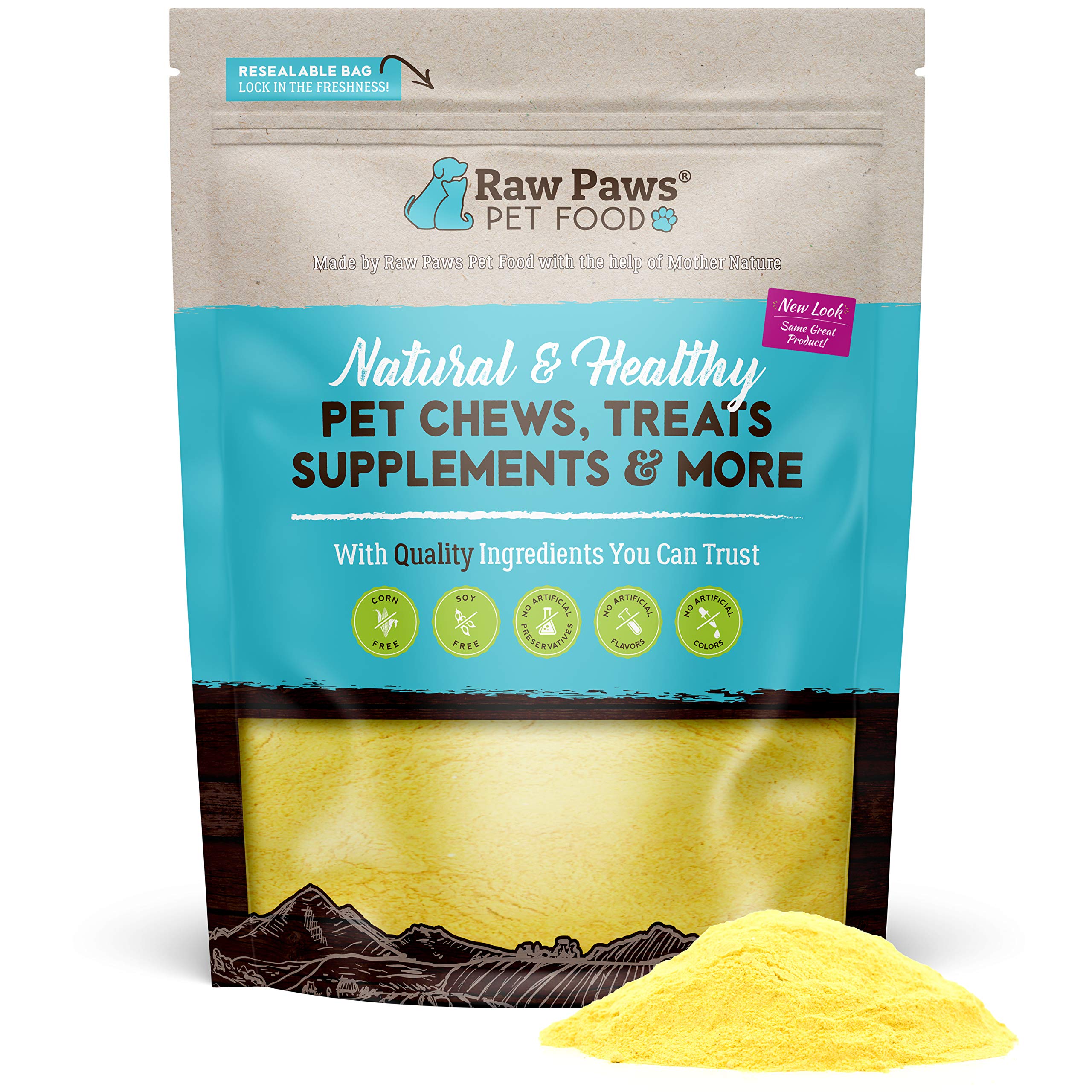
If canned pumpkin is unavailable, pumpkin powder specifically formulated for pets is a suitable alternative. Never use canned pumpkin pie mix, as it often contains xylitol, an artificial sweetener that is highly toxic to dogs.
Determining the Correct Pumpkin Dosage for Your Dog
When using pumpkin to help alleviate your dog’s diarrhea, the general recommendation is to add 1 to 4 tablespoons of plain canned pumpkin or pet-specific pumpkin powder to their regular meals. It’s advisable to start with smaller amounts to prevent introducing too much fiber into your dog’s diet too quickly. If you have any doubts about the appropriate dosage for your dog, consulting your veterinarian is always the best course of action.
Can Pumpkin Also Help with Dog Constipation?
The beneficial fiber in pumpkin also makes it an effective remedy for constipation in dogs. Similar to managing diarrhea, adding 1 to 4 tablespoons of pumpkin per meal can help ease mild constipation. However, it’s essential to ensure your dog remains well-hydrated when increasing their fiber intake, as dehydration can exacerbate constipation.
Furthermore, it’s vital to investigate the root cause of constipation. Consult your veterinarian to rule out underlying issues such as an enlarged prostate, blockages from foreign objects or bones in the colon, or other emergencies that require prompt medical attention.
In conclusion, pumpkin is a safe, affordable, and natural way to support your dog’s digestive health. Whether facing diarrhea or constipation, a small amount of pumpkin can often provide significant relief. If symptoms persist or if you have concerns about your dog’s well-being, always consult with your veterinarian for diagnosis and appropriate treatment options.