
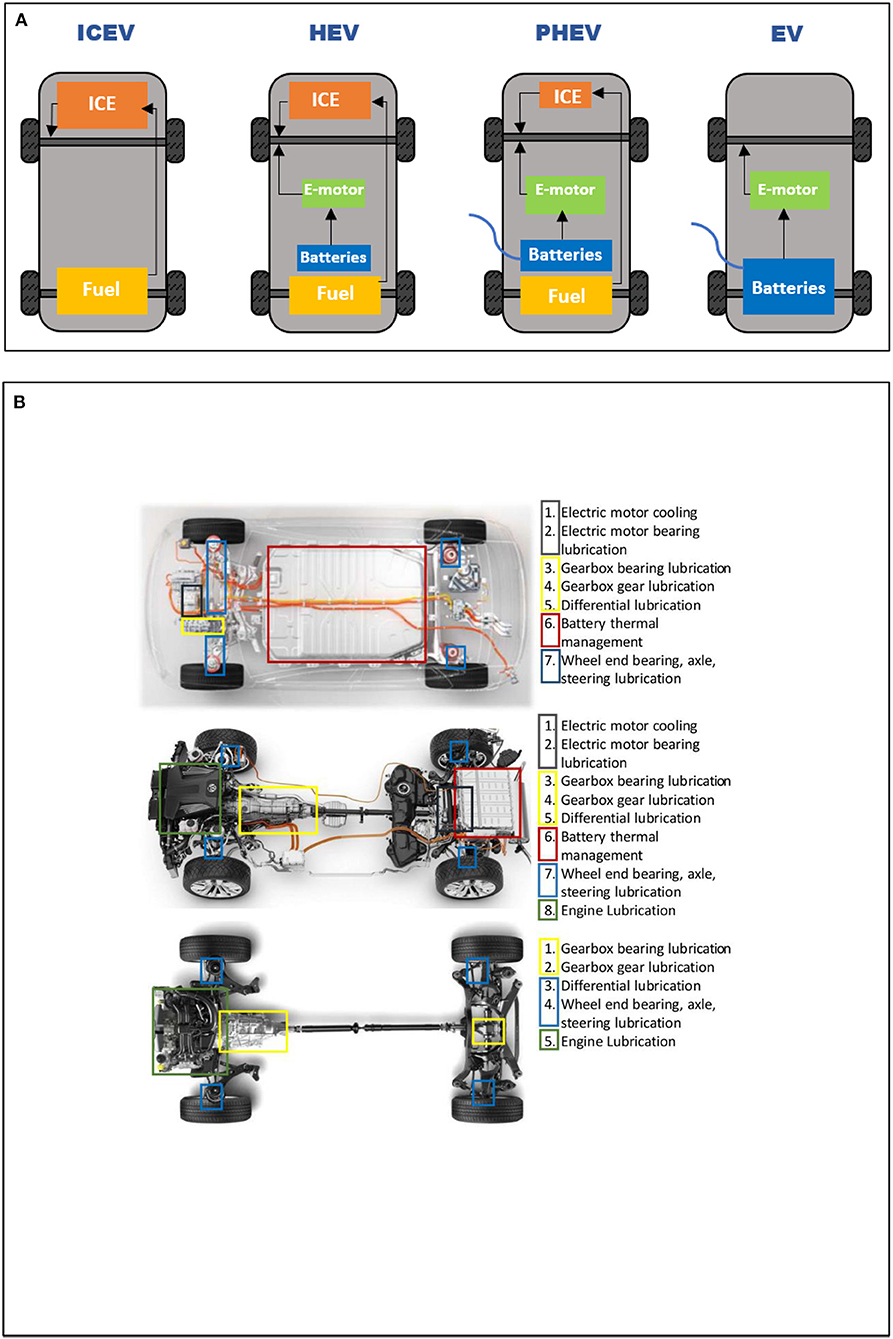
The expiration of complimentary maintenance for Toyota vehicles marks a transition for owners to undertake their own servicing, prompting a closer look at the unique demands of Plug-in Hybrid Electric Vehicles (PHEVs). A key question arises for PHEV owners: how to establish a sensible engine oil change interval when odometer mileage doesn’t directly correlate with engine run time?
Understanding the Challenge with PHEV Engine Oil
For conventional gasoline vehicles, engine oil changes are typically recommended based on mileage, often around every 4,000 to 5,000 miles. This mileage, when combined with an average speed, can serve as a proxy for engine hours. However, PHEVs present a different scenario. The internal combustion engine (ICE) in a PHEV operates intermittently, often for shorter durations and at varying loads, depending on driving conditions and battery charge. This means that simply adhering to a mileage-based oil change schedule might lead to premature changes or, conversely, extended intervals that compromise engine longevity.
The onboard computer (ECU) in many PHEVs, including models like the Toyota Prius Prime and RAV4 Prime, may not log the specific engine run time data (OBDII PID #7F) required for precise interval calculation. This data is primarily mandated for commercial diesel engines in the US, thus not a standard inclusion in gasoline passenger vehicle ECUs. Consequently, drivers who primarily use their vehicles for short trips, maximizing electric-only range, will accumulate far less ICE run time compared to those with long daily commutes.
A Practical Approach: Fuel Consumption as a Run Time Indicator
Given the limitations of ECU data, a practical method for estimating ICE run time in PHEVs is to track gasoline consumption. Gasoline usage is directly proportional to the time the ICE is active. By understanding the vehicle’s fuel economy under different driving conditions, owners can equate gallons consumed to engine hours.
For example, if a PHEV achieves approximately 0.84 gallons per hour at a consistent speed of 55 mph (based on a hypothetical 65 mpg fuel economy at that speed), then consuming 84 gallons of gasoline would equate to roughly 100 hours of ICE operation. This approach decouples the engine’s operational time from the odometer’s mileage, providing a more accurate basis for engine oil maintenance.
Real-World Application and Recommendations
One owner’s experience with a Prius Prime illustrates this concept. Over 27 months and 19,191 miles, the vehicle consumed 153 gallons of gasoline, resulting in a real-world fuel economy of 125 mpg when factoring in electric power. If this owner averages 8,529 miles and burns 77 gallons of gas annually, an annual engine oil change aligns with a target of approximately 5,000 miles of ICE operation. This strategy allows for proactive oil changes based on actual ICE usage, rather than a fixed mileage that may not reflect the driving patterns of a PHEV owner. As driving habits evolve, such as an increase in long-distance travel, this fuel consumption tracking method enables timely adjustments to the oil change schedule.
Transaxle Fluid Maintenance
Unlike engine oil, transaxle fluid changes can remain tied to the odometer. Manufacturers often recommend intervals around 60,000 miles, but owners may opt for more frequent changes, such as every 20,000 to 40,000 miles, especially in regions with extreme heat. The transaxle contains sensitive electronic components, including MG stators, which rely on the transmission fluid for cooling to prevent overheating. In environments where summer daytime high temperatures consistently exceed 90°F, a more conservative interval for transaxle fluid replacement is advisable.
Conclusion
For PHEV owners, moving beyond simple mileage-based maintenance is crucial for engine health. By understanding and tracking gasoline consumption, owners can establish more accurate engine oil change intervals that reflect actual ICE run time. While transaxle fluid changes can still be guided by mileage, considering environmental factors and component sensitivity is key. Proactive and informed maintenance ensures the longevity and optimal performance of your PHEV.
What are your experiences with PHEV maintenance? Share your thoughts and strategies in the comments below!