
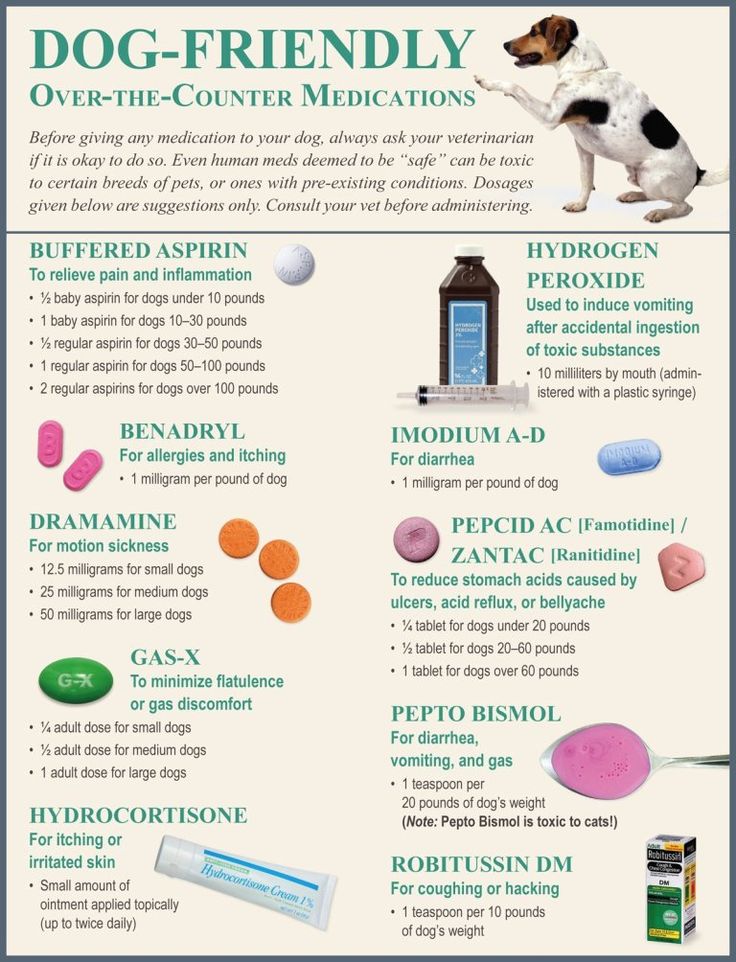
As veterinary medicine advances, our canine companions are living longer, healthier lives. However, this increased lifespan also brings a greater risk of discomfort and disease. Fortunately, a range of options exists to help manage and alleviate pain in dogs. This guide will equip you with the knowledge to recognize signs of pain in your dog and explore effective treatment strategies, including appropriate pain medications. We will also clarify which medications are safe for canine use, the necessity of veterinary prescriptions, and the availability of over-the-counter options.
It is crucial to identify signs of pain in your dog to ensure they receive timely and appropriate medical support from your veterinarian. While some medications are safe for both humans and dogs, others can be toxic to canines. Always consult with your veterinarian before administering any new medication to your dog.
Understanding Pain Medications for Dogs
Your veterinarian will collaborate with you to create a tailored pain management plan for your dog, considering the specific type and severity of their discomfort. This plan may incorporate several approaches:
- Veterinarian-Prescribed Nonsteroidal Anti-Inflammatory Drugs (NSAIDs): Medications like Galliprant are designed to reduce pain by decreasing inflammation. It’s vital to understand that common human NSAIDs such as ibuprofen and naproxen are never safe for dogs and can be toxic. Always seek veterinary guidance before giving your dog any pain medication.
- Opioids: These medications work on the brain to reduce the perception of pain and are typically reserved for more severe pain management.
- Nervous System Medications: Drugs such as gabapentin can modulate pain signals by affecting the nervous system at various levels.
- Complementary Therapies: For pets who may not tolerate medication well, a combination of physical therapy, acupuncture, chiropractic manipulation, and environmental modifications can be beneficial.
NSAIDs: A Cornerstone of Canine Pain Relief
The United States Food and Drug Administration (FDA) has approved specific NSAIDs for dogs to manage pain and inflammation associated with conditions like osteoarthritis. These medications function by suppressing the body’s inflammatory response, thereby alleviating pain. However, NSAIDs can impact crucial bodily functions, including the protective lining of the stomach and intestines, kidney blood flow, and platelet function.
Therefore, it is imperative to exclusively use NSAIDs that your veterinarian has approved and to maintain close communication with your vet throughout your dog’s treatment. Dogs with pre-existing liver or kidney conditions may not be suitable candidates for NSAIDs, as these medications require healthy organ function for proper processing and elimination. Your veterinarian may recommend blood work and urinalysis to assess your dog’s organ function before starting NSAIDs and periodically during treatment. When administered correctly, NSAIDs are effective for controlling pain and inflammation. They can be used for chronic conditions such as hip dysplasia and osteoarthritis. Some commonly used NSAIDs by veterinarians include carprofen and meloxicam. Always monitor your dog for any side effects or signs of toxicity and contact your veterinarian immediately if you suspect an overdose or adverse reaction.
Opioids: For Moderate to Severe Pain Management
Opioid medications target specific receptors in the brain that, when activated by the medication, provide a pain relief response. These are particularly effective for moderate to severe pain and are often prescribed post-surgery or as part of a sedation plan before general anesthesia. Due to their controlled nature, opioids require a veterinary prescription and meticulous record-keeping by the veterinarian, subject to audit by the U.S. Drug Enforcement Administration (DEA).
Potential side effects of opioids in pets can include excessive salivation, vomiting, lethargy, and hyperexcitability. Commonly prescribed opioids for dogs include:
- Morphine: Available in various forms, typically used for short-term pain management following surgery (like orthopedic procedures) or severe trauma.
- Codeine: Available as a liquid or tablet, often used for severe arthritis pain, chronic cough associated with collapsing trachea, or surgical pain. It is generally prescribed for short-to-medium-term use.
- Butorphanol: Administered as a liquid or tablet, used for surgical pain and typically for short-term use.
- Fentanyl: Available as a liquid or transdermal patch, offering short-term pain relief for surgical pain. Patches require careful handling by veterinary professionals to prevent accidental absorption.
Exploring Other Pain Medications and Supplements
Your veterinarian may also prescribe other medications for your dog’s pain relief, such as Librela, a newer option for osteoarthritis pain.
Joint Supplements for Canine Pain
Several supplements can be beneficial for dogs experiencing pain:
- Glucosamine: A naturally occurring substance that helps protect cartilage, glucosamine is used for mild pain associated with hip dysplasia and spinal cord injuries. It is available over-the-counter in various forms like tablets, chews, and liquids.
- Chondroitin: Similar to glucosamine, chondroitin is a natural substance that supports cartilage health and is used for mild pain from conditions like hip dysplasia and spinal cord injuries. It is also available over-the-counter.
- Fish Oil: Rich in omega-3 fatty acids, fish oil possesses anti-inflammatory properties beneficial for pain related to osteoarthritis, skin conditions, kidney disease, heart disease, inflammatory bowel disease, diabetes, and epilepsy. Fish oil supplements for dogs are available over-the-counter.
Safety of Human Pain Medications for Dogs
While some medications, like certain antibiotics and heart medications, are safe for both humans and dogs, the dosage and formulation can differ significantly. Furthermore, additives in human medications may be toxic to pets. A dog’s metabolism is vastly different from a human’s, meaning medications safe for people can be toxic or even fatal to dogs.
Crucially, never administer common over-the-counter human pain relievers such as ibuprofen (Advil, Motrin) or acetaminophen (Tylenol) to your dog. These medications can lead to severe gastrointestinal bleeding, kidney failure, and liver failure. Always consult your veterinarian before giving your dog any human medication.
Recognizing Pain in Your Dog
Understanding the subtle and overt signs of pain in your dog is essential for prompt veterinary intervention. Various canine pain scales, such as the canine acute pain scale, can assist you in assessing your dog’s pain level.
Common indicators that a dog is in pain include:
- Restlessness or increased distractibility
- Visible discomfort, such as pacing, panting, hiding, or an arched back
- Vocalizations like whimpering, crying, groaning, or howling
- Changes in facial expression, such as droopy ears, worried eyes, or arched eyebrows
- Lack of response when called
- Reluctance to move, or guarding a specific body part
- Reduced interaction with people
- Aggressive responses like growling, flinching, pulling away, crying, biting, or whimpering when touched
By recognizing these symptoms, you can more effectively monitor your dog’s condition, especially while they are on medication, and identify any signs of pain or distress.
Comforting a Dog in Pain
Effective pain management often involves a collaborative approach between you and your veterinarian, potentially incorporating home modifications to enhance your dog’s comfort.
Weight Management
Helping your pet maintain a healthy weight is paramount, as excess weight places undue strain on joints and increases the risk of concurrent diseases like diabetes and heart disease. Work with your veterinarian to adjust your pet’s diet and establish gentle exercise routines suitable for their condition.
Encouraging Movement
Daily walks, swim therapy, or other low-impact exercises are vital for maintaining muscle and joint health. These activities also provide crucial mental stimulation for your dog and can release natural endorphins that help manage pain.
Home Modifications
To facilitate easier movement around your home, consider implementing changes such as:
- Carpet runners or non-slip socks: To improve traction on slippery floors.
- Pet ramps or stairs: To assist with accessing furniture or navigating areas with elevation changes.
- Dog gates: To restrict access to areas that may be difficult or unsafe for your dog to navigate.
- Elevated food and water bowls: Particularly beneficial for dogs experiencing neck or joint pain when bending to eat or drink.
Exploring Alternative Therapies
Complementary therapies, when used in conjunction with conventional veterinary medicine, can significantly enhance pain management for dogs. Discuss these options with your veterinarian:
- Physical Therapeutic Exercises: Guided rehabilitation exercises designed to improve strength and mobility.
- Underwater Treadmill Rehabilitation: A low-impact form of exercise that can improve range of motion and build muscle.
- Massage Therapy: Can help relieve muscle tension and promote relaxation.
- Passive Range of Motion (PROM): Gentle exercises to maintain joint flexibility.
- Neuromuscular Stimulation: Electrical stimulation to help re-educate muscles.
- Therapeutic Ultrasound: Uses sound waves to promote healing and reduce inflammation.
- Acupuncture: A traditional Chinese medicine technique that can help alleviate pain and inflammation.
These natural approaches can complement pharmaceutical treatments, offering additional pain relief, especially for pets who may not tolerate medications well or require supplementary care.
It is important to remember that all medications and supplements should be administered precisely as prescribed by your veterinarian. If your dog is exhibiting signs of pain, seek immediate veterinary examination.
Frequently Asked Questions About Pain Medication for Dogs
What pain relievers are safe for dogs?
Numerous safe and effective pain medications are available for dogs, including veterinarian-approved NSAIDs (like Galliprant and carprofen), opioids, and other drug classes. Certain supplements can also aid in pain management. Your veterinarian is best equipped to recommend the safest options for your individual dog’s needs.
Can I give a dog pain meds without a vet?
Absolutely not. It is crucial to consult your veterinarian before administering any pain medication to your dog. Many human pain relievers are toxic to dogs, and your vet can prescribe a safe and appropriate dosage tailored to your pet’s specific condition.
Can I give my dog aspirin or Tylenol?
No, it is unsafe to give your dog aspirin, Tylenol, or any human pain medication unless explicitly directed by your veterinarian. These medications can cause severe adverse effects in dogs, including internal bleeding. Safer, vet-approved pain medications designed specifically for dogs are available and are more effective and less risky.
References
- U.S. Food and Drug Administration. “Galliprant — A Nonsteroidal Anti-Inflammatory Drug (NSAID) for Dogs with Osteoarthritis.” September 2019.
- Wunsch L, Schmidt B, Krugner-Higby L, Smith L. “A comparison of the effects of hydromorphone HCl and a novel extended-release hydromorphone on arterial blood gas values in conscious healthy dogs.” Research in Veterinary Science. 2010;88(1): 154-158.