
The McLaren 570S remains one of the most compelling entry points into the world of British supercars, and understanding its history, common issues, and ownership costs is essential before signing on the dotted line. Launched in 2015, the 570S introduced McLaren’s Sports Series, a lineup designed to offer a more accessible route into the marque’s high-performance lineup without diluting the engineering DNA that defines cars like the P1 and 720S. For buyers weighing the McLaren 570S against rivals such as the Porsche 911 Turbo S and Audi R8, this guide breaks down everything from model-year changes to maintenance schedules and resale value.
Positioned as a more attainable alternative to McLaren’s most extreme machines, the 570S still delivers the agility, speed, and everyday usability that make the brand special. It’s a car built to be driven hard on a track day and then comfortably home afterward, a rare balance in the supercar segment.
Engine, Performance, and Design
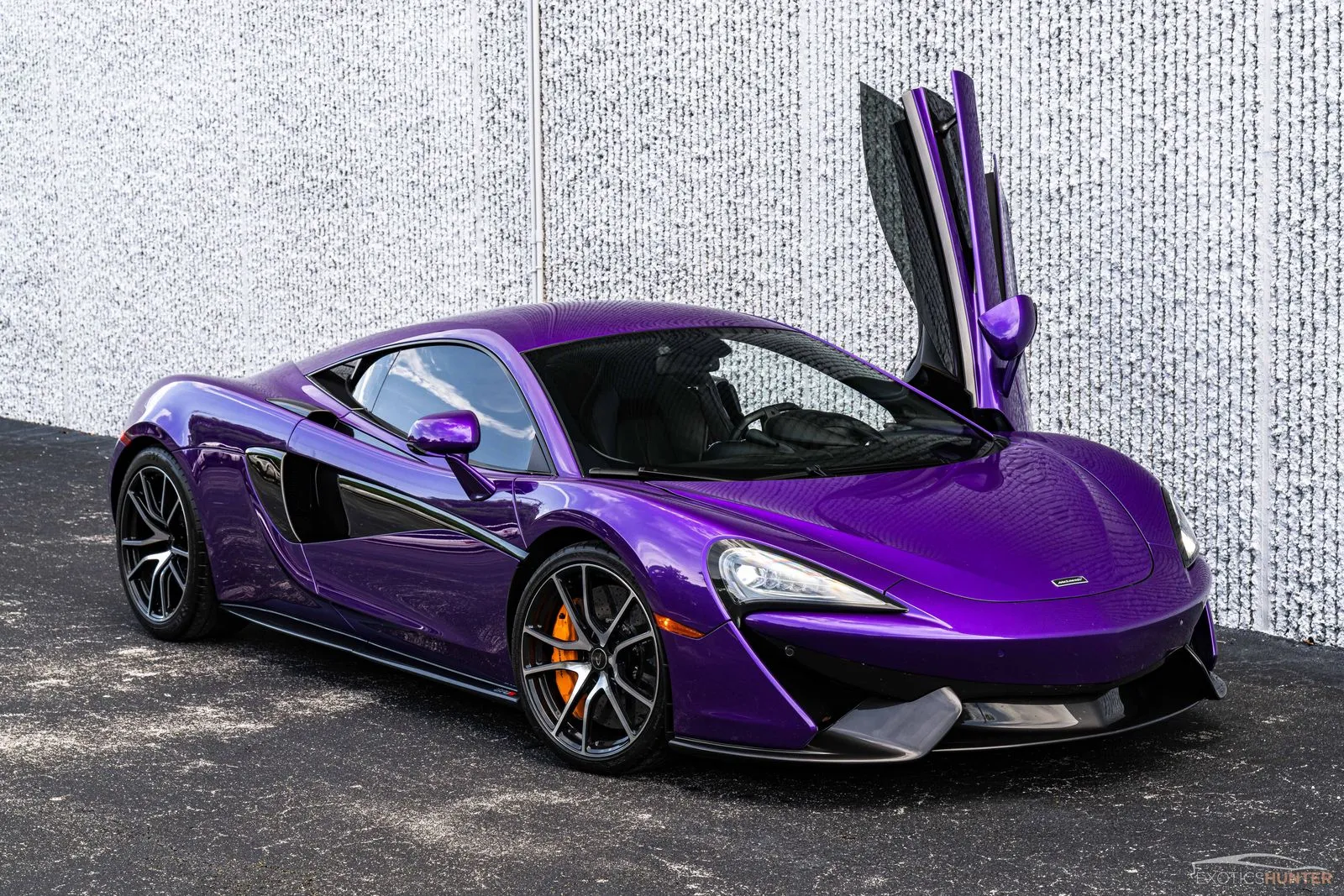
At the heart of the 570S sits a 3.8-liter twin-turbocharged V8, paired with a 7-speed seamless-shift dual-clutch gearbox. This combination sends the car from 0 to 60 mph in roughly 3.2 seconds, a figure that still holds up well against modern rivals. A carbon-fiber tub keeps weight down and rigidity high, which is a large part of why the 570S feels so composed both on winding backroads and on a race circuit.
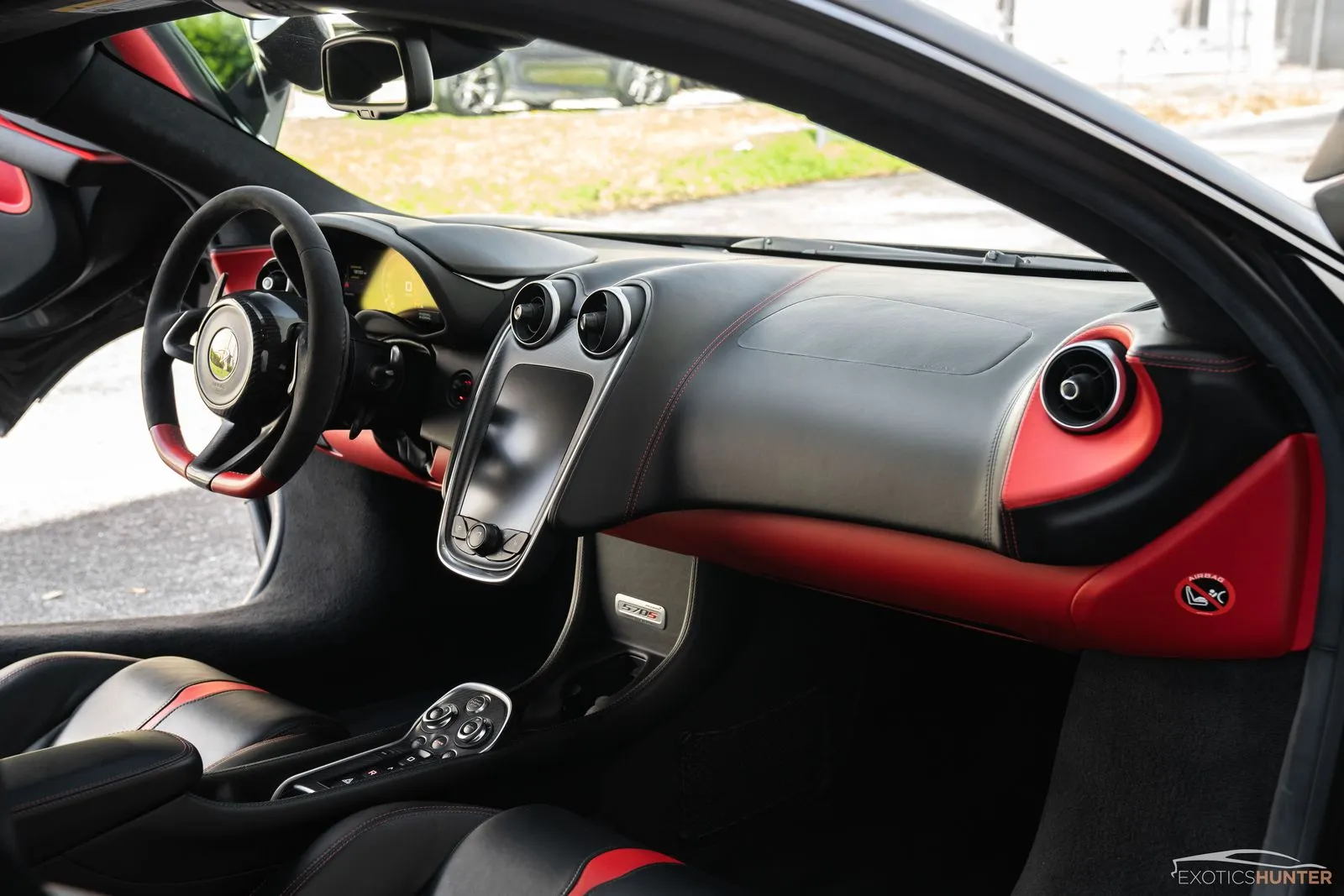
The exterior design carries McLaren’s signature dihedral doors along with an aerodynamic profile that isn’t just for show, since every surface contributes to downforce and cooling. Inside, the cabin blends driver-focused ergonomics with genuine daily usability, featuring quality materials and an infotainment system that doesn’t feel like an afterthought.

Model Year Changes: 2015 to 2020
2015: The Launch of the Sports Series
The original 570S debuted with 562 horsepower from its twin-turbo V8, replacing the outgoing 12C. Pricing started around $190,000, putting it squarely against the Porsche 911 Turbo S and Audi R8 V10.
2016: The 570GT Arrives
McLaren introduced the 570GT, a grand-touring variant with a side-opening glass hatch for extra luggage space, a standard panoramic roof, softer suspension tuning, and improved sound insulation. It launched around $200,000, roughly $10,000 above the standard 570S.
2017: The Spider Convertible
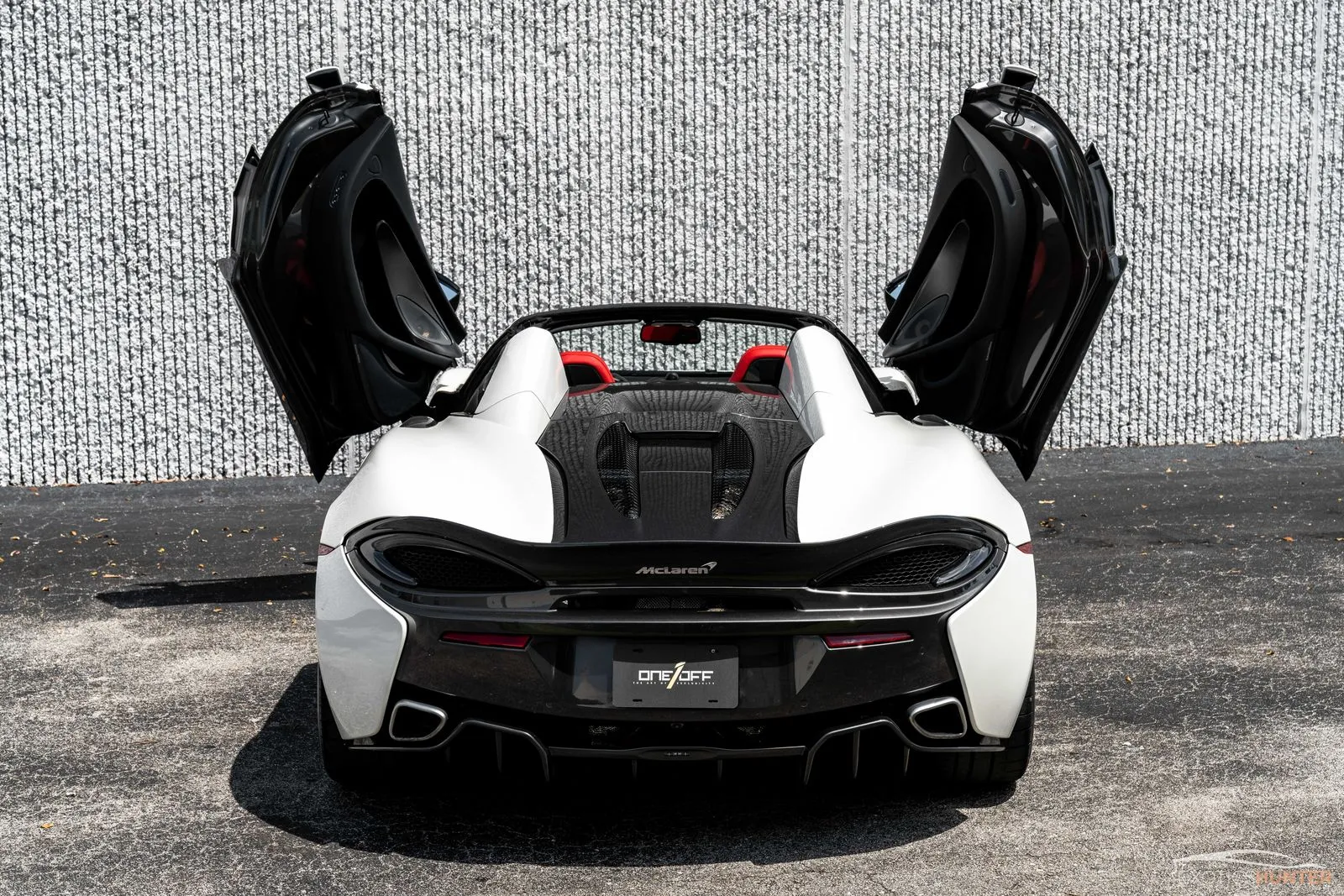
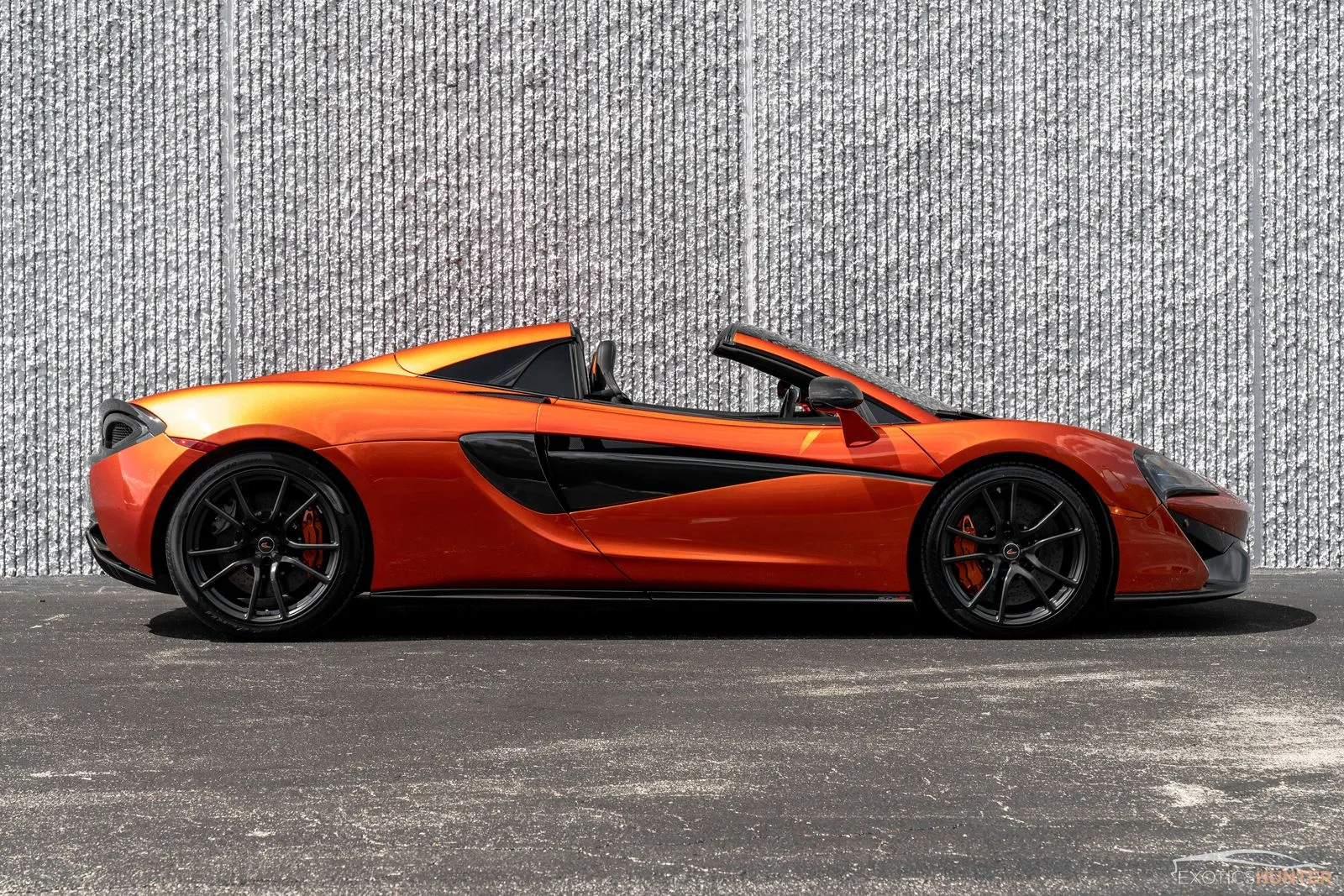
A retractable hardtop convertible, the 570S Spider, joined the range with identical 562-hp output to the Coupe. The Coupe started around $190,000, while the Spider began at approximately $208,800.
2018: Track Pack and the 600LT
McLaren added a Track Pack option featuring a titanium exhaust, taller rear wing, lighter alloy wheels, and carbon-fiber racing seats. More significantly, the McLaren 600LT debuted as a track-focused evolution of the 570S platform, with 600 horsepower, “Longtail” aerodynamics, a fixed rear wing, and top-exit exhausts. The 600LT started at around $240,000.
 McLaren 570S engine bay showing the twin-turbo V8 powertrain
2019: The 600LT Spider
The 600LT Spider brought the same track-honed performance to a convertible body style, retaining the 3.8-liter V8 and lightweight construction while adding a folding hardtop. It started around $256,500.
2020: End of Production
The 570S and 570S Spider carried on largely unchanged as McLaren prepared to launch the Artura, marking the twilight of this generation.
Common McLaren 570S Problems
Like most high-performance vehicles, the 570S balances engineering excellence with the complex realities of supercar ownership. A thorough pre-purchase inspection (PPI) from an authorized McLaren dealer or a specialist independent mechanic is strongly recommended before any purchase.
Engine misfires have been reported, often traced to defective spark plugs, clogged fuel injectors, or ignition system faults. Symptoms include rough idling and inconsistent power delivery, and while the check engine light typically flags the issue, misfire codes can appear intermittently, making diagnosis tricky.
Transmission concerns, while not widespread, include occasional clutch slippage on higher-mileage or aggressively driven examples, presenting as delayed power delivery or hesitant gear changes.
Ticking noises on earlier models were often linked to the fuel rail and injectors, sometimes requiring replacement with upgraded parts.
Front-end damage is a real risk given the 570S’s low ground clearance. Cars without the optional nose-lift system are more prone to scrapes on speed bumps and steep driveways, so inspecting the underbody for damage is a smart step during any inspection.
Recalls to Know
Two recalls stand out for prospective owners. The 2015–2017 model years were subject to a recall (No. 19V141000) related to a brake assembly banjo bolt potentially missing fluid-supply holes, which could cause brake failure on one corner. The 2020 model year was subject to a separate recall (No. 21V561000) concerning airbag inflators that could degrade after prolonged exposure to high humidity and temperature cycling, posing a risk of inflator rupture.
Maintenance and Ownership Costs
Owning a McLaren 570S requires a disciplined maintenance approach, though its service intervals are less frequent than some rivals.
 McLaren 570S front end detail showing headlights and splitter
At 1 year or 9,000 miles, expect an oil and filter change, a comprehensive factory-spec inspection, and full diagnostics. At 2 years or 18,000 miles, the schedule expands to include coolant replacement, spark plug changes, V-belt inspection, pollen filter replacement, and brake fluid service. At 3 years or 27,000 miles, gearbox oil is replaced alongside the standard oil change.
Typical costs run as follows: an oil change costs around $200 independently or $400 at a dealer; a minor service (oil and filters) runs about $1,500; a major service, which adds spark plugs and fluid flushes, runs closer to $2,500. A set of high-performance tires like the Michelin Pilot Sport 4 costs roughly $2,000, while aftermarket brake pads run about $800 per set. The dual-clutch transmission is designed to last the car’s lifetime, so clutch replacement costs are rarely a concern. Some cars come with transferable service packages, which can meaningfully reduce costs for a new owner.
Options and Customization
The McLaren 570S offers extensive personalization, from high-gloss exterior packages to carbon-fiber trim.
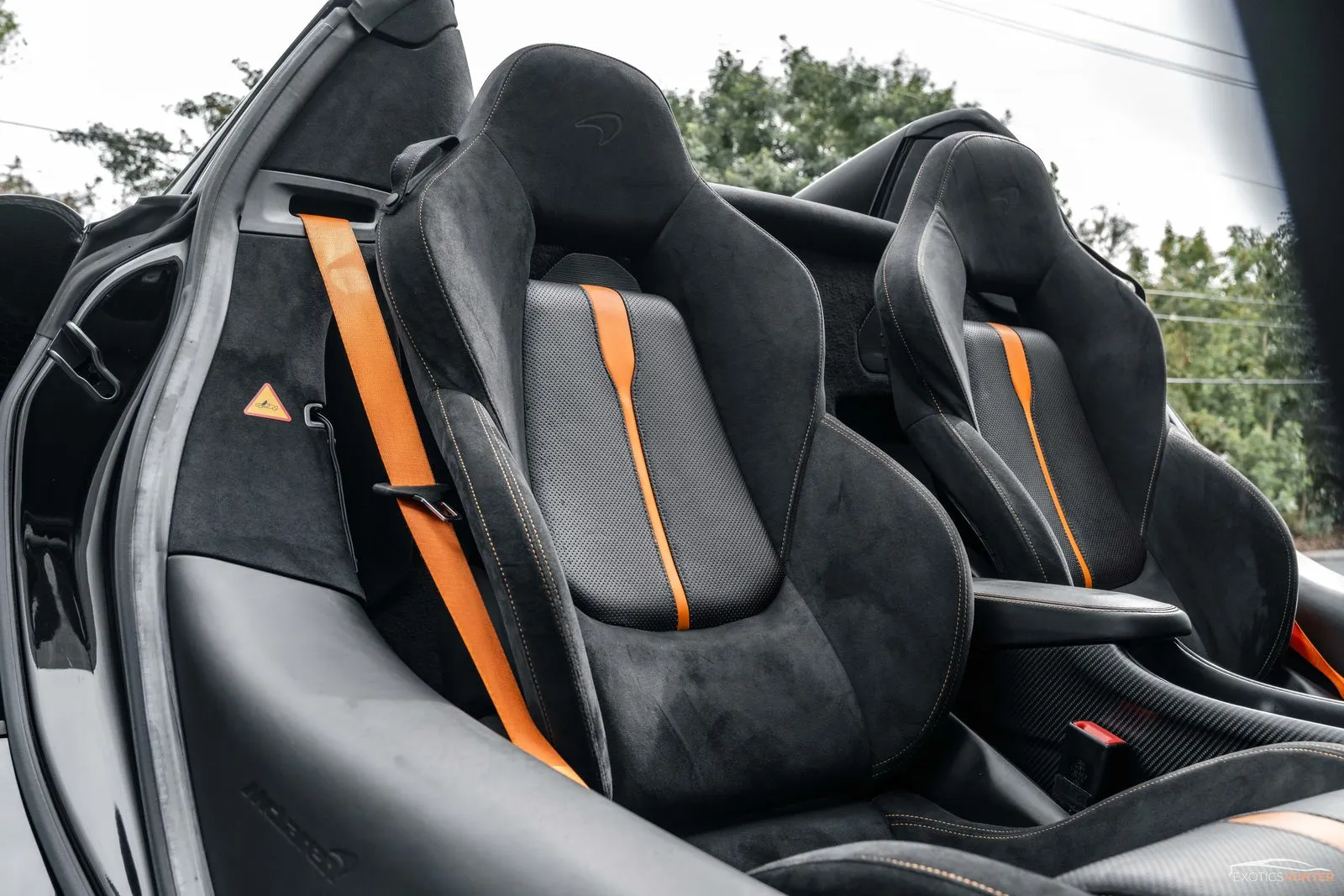
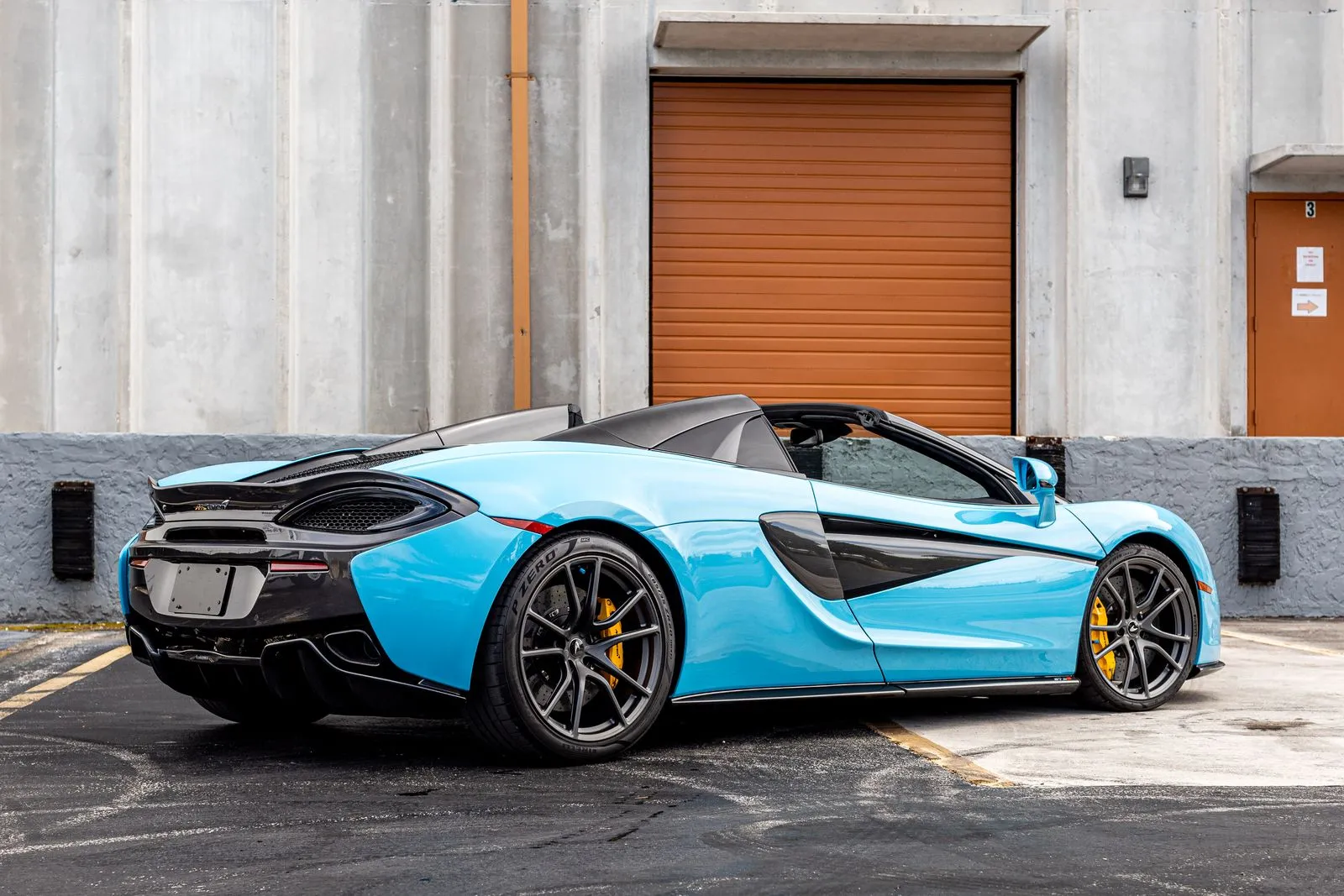
Popular upgrades include pearl, four-layer, and matte paint finishes, along with a variety of wheel designs across the model range. The front lift system is a particularly desirable option, allowing the nose to rise over speed bumps and steep driveways, an important consideration given the car’s low stance.
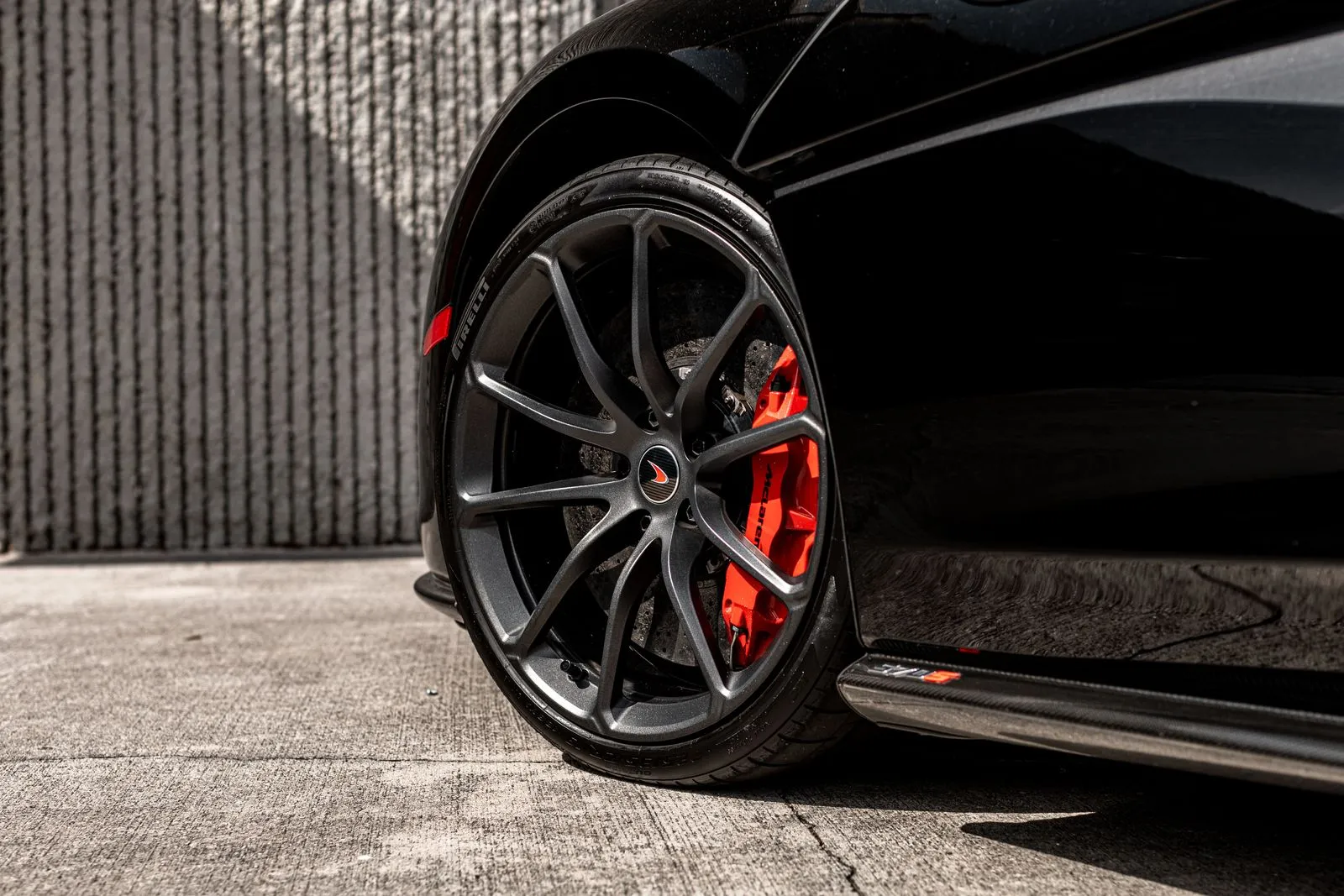 McLaren 570S wheel design and lightweight alloy construction
Later models offered sport bucket seats for better lateral support, though some owners find them less suited to long drives. For buyers seeking maximum exclusivity, McLaren Special Operations (MSO) offered bespoke exterior and interior finishes unavailable on standard production cars. Vehicles built through MSO tend to command a premium in the resale market due to their rarity.
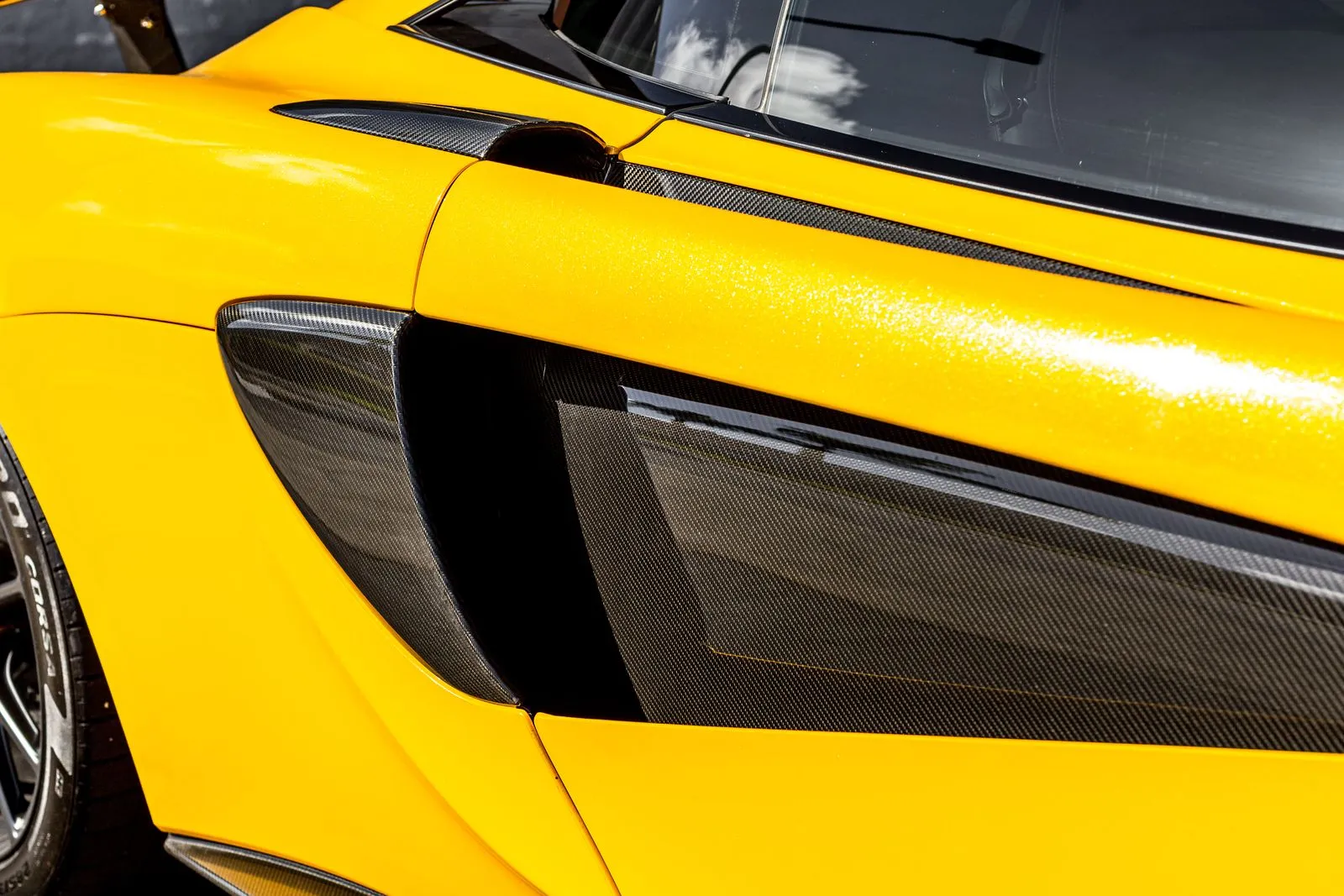
Notable options worth seeking out include the Front Lift System, Track Pack, McLaren P1-style carbon seats, Bowers & Wilkins stereo upgrade, carbon-fiber interior trim, full Alcantara upholstery, upgraded wheels, and MSO personalization packages.
McLaren 570S Value and Which Model to Buy
Several factors influence the long-term value of a McLaren 570S. Performance-focused variants like the 600LT and 600LT Spider tend to hold value better due to their limited production numbers, sharper dynamics, and more aggressive styling. The standard 570S, while more affordable, still holds value reasonably well, particularly when equipped with desirable options.
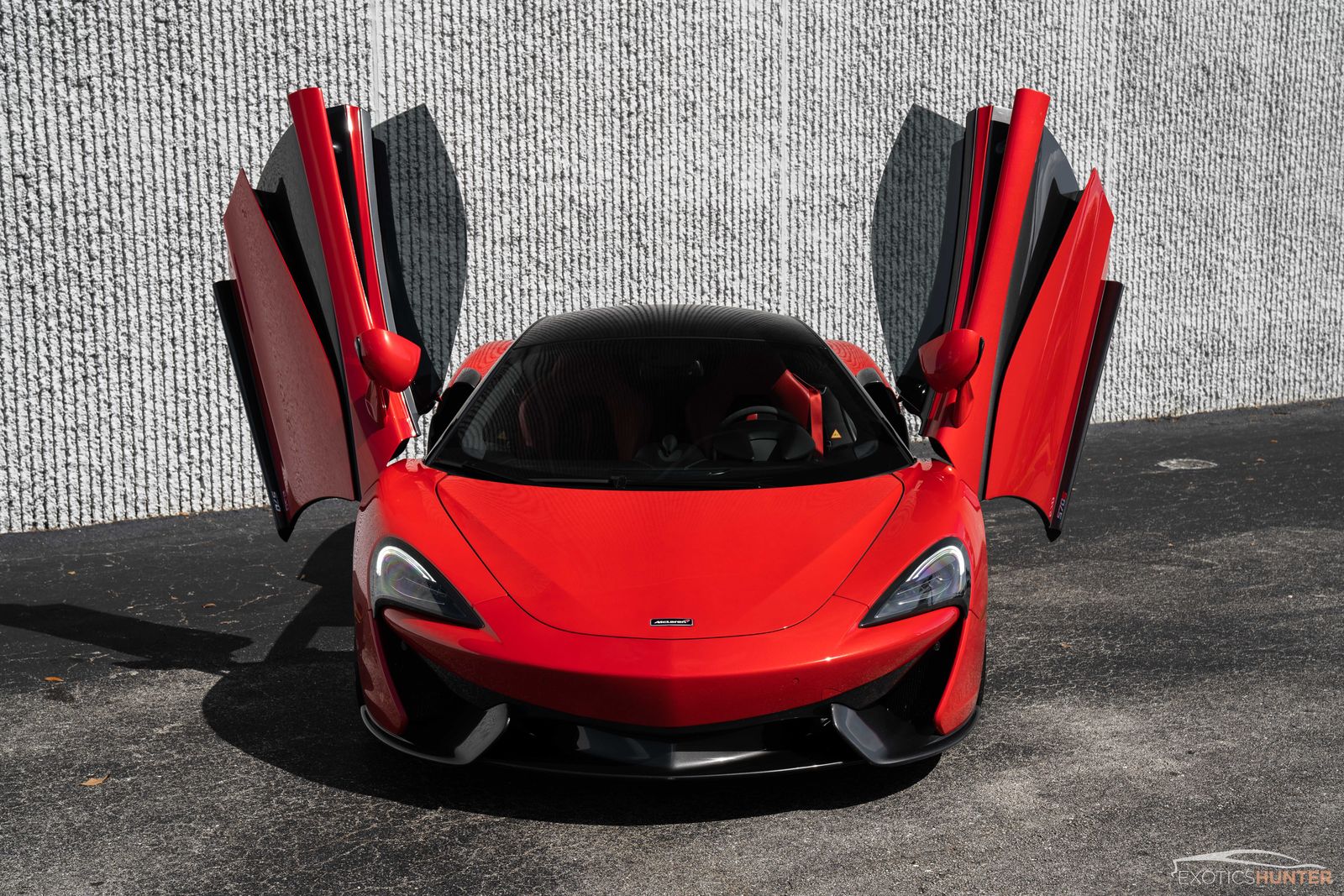 McLaren 570S side profile emphasizing its low stance and proportions
Model years 2016 through 2020 are generally considered the sweet spot for buyers seeking market stability, with the 2020 cars benefiting from refined technology and design touches accumulated over the model’s run. As the industry shifts toward electrified powertrains, the 570S’s naturally aspirated feel (relative to fully electric rivals) and traditional twin-turbo V8 character continue to appeal to enthusiasts who value analog performance.
 McLaren 570S on a winding road showcasing its driving dynamics
Condition and mileage remain the two biggest levers on resale value. Cars with heavy use or non-factory modifications tend to depreciate faster, while well-maintained, lower-mileage examples with documented service history retain value best.
Final Verdict
Starting at roughly $190,000, the McLaren 570S remains a compelling entry point into serious supercar ownership. While the Porsche 911 Turbo S and Audi R8 V10 are formidable competitors, the 570S distinguishes itself through its blend of cutting-edge technology, an intuitive and luxurious cabin, and dynamic performance that holds up equally well on the road and the track.
For buyers seeking a supercar that delivers both everyday usability and genuine excitement, the McLaren 570S deserves serious consideration. Prioritize cars with comprehensive service records, favor the 2016–2020 model years for stability, and keep an eye out for well-optioned examples or limited variants like the 600LT for the best long-term value. If you’ve owned or driven a 570S, share your experience in the comments, and check out our other McLaren buyer’s guides for more insight into this iconic supercar lineup.
References
- U.S. National Highway Traffic Safety Administration. (2019). Recall No. 19V141000: Air Bags – Inflator Module.
- U.S. National Highway Traffic Safety Administration. (2021). Recall No. 21V561000: Hoses, Lines/Piping, and Fittings.
- McLaren Automotive. McLaren 570S and 600LT Technical Specifications.