
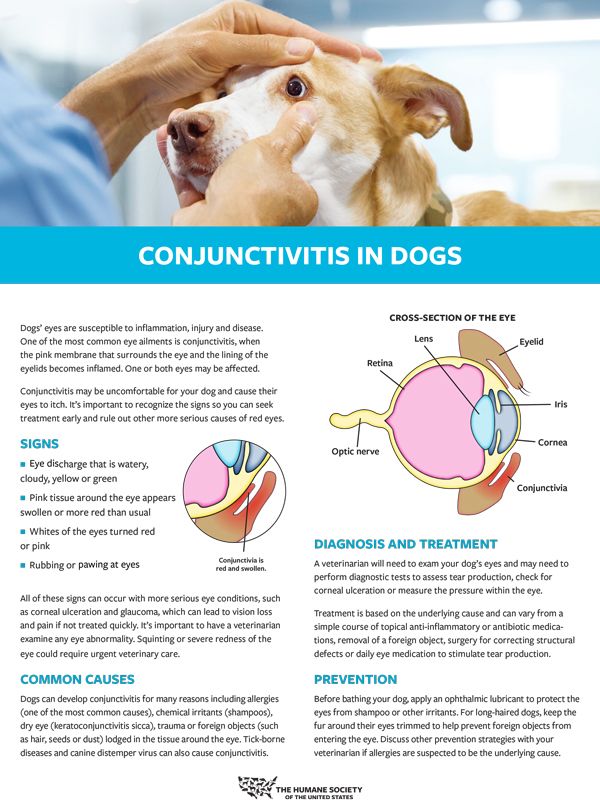
Conjunctivitis, commonly known as “pink eye,” is an inflammation of the conjunctiva, the pink membrane that lines the eyelids and covers the white part of the eyeball. This condition is prevalent in dogs and can manifest with symptoms such as painful, red eyes and eye discharge. While common, conjunctivitis often requires veterinary intervention for proper resolution. If you observe redness or squinting in your dog’s eyes, seeking professional veterinary advice is crucial.
Key Takeaways
Conjunctivitis in dogs is a frequent occurrence stemming from various factors, including infections, allergens, injuries, or underlying health conditions. Typical symptoms include red eyes, discharge, and squinting, with treatment tailored to the specific cause. While most cases resolve within a week to ten days with veterinary care, chronic conditions may necessitate ongoing management for recurring flare-ups.
What Is Conjunctivitis in Dogs?
Conjunctivitis specifically refers to the inflammation of the conjunctiva, the delicate membrane covering the white of the eye and the inner surface of the eyelids. This membrane plays a vital role in protecting the eye, producing tears for lubrication, and supplying oxygen and nutrients. Inflammation occurs due to various triggers, such as infections or allergen exposure, prompting an inflammatory response within the eye. Consequently, dogs with conjunctivitis exhibit concerning signs like unusual eye discharge, squinting, and redness. Although not typically a medical emergency on its own, conjunctivitis can escalate if left untreated, potentially leading to severe vision impairment. If your dog shows signs of discomfort, pain, difficulty seeing, or if eye symptoms persist or worsen, contact a veterinarian immediately.
Symptoms of Conjunctivitis in Dogs
The most common indicators of conjunctivitis in dogs include:
- Squinting
- Redness of the eye
- Watery or mucus-like eye discharge
- Pawing at the eye
- Swelling around the eye
- Sensitivity to light
Causes of Conjunctivitis in Dogs
Conjunctivitis in dogs can arise from a diverse range of causes:
- Viral Infections: Certain viral infections, such as canine distemper virus or canine herpesvirus, can lead to inflammation of the eyes.
- Foreign Objects: Irritants like dirt or grass fragments entering the eye can cause significant irritation and inflammation.
- Chemical or Toxin Exposure: Environmental irritants, including smoke, can inflame the eyeball and surrounding tissues.
- Trauma: Any injury to the eye or the adjacent areas can result in inflammation and swelling.
- Immune-Mediated Diseases: Conditions like plasma-cell conjunctivitis and keratoconjunctivitis sicca (dry eye) develop due to immune system dysfunction, triggering eye symptoms.
Both male and female dogs are equally susceptible to conjunctivitis. While it can affect dogs of any age, it is more prevalent in puppies, young adults, and senior dogs, often linked to less robust immune systems. Certain breeds, including the Cavalier King Charles Spaniel, Pugs, German Shepherds, and Border Collies, have a higher genetic predisposition to developing conjunctivitis.
How Veterinarians Diagnose Conjunctivitis in Dogs
The diagnostic process begins with a comprehensive physical examination of your dog. The veterinarian will carefully inspect the eyes visually and utilize an ophthalmoscope to detect any abnormalities. Providing a detailed history of observed eye discharge and the onset of symptoms aids the veterinarian in their assessment.
To pinpoint the underlying cause of conjunctivitis, further diagnostic tests may be performed:
- Schirmer Tear Test: This test measures tear production using a specialized paper strip placed inside the eyelid. Abnormally low tear production can be a contributing factor.
- Tonometry: Eye pressure is measured using a tonometer after numbing the eye. Abnormal pressure readings can be indicative of underlying issues.
- Fluorescein Stain: A dye is applied to the eye, and a blue light is used to identify any corneal scratches or ulcers, which can cause inflammation.
- Conjunctival Swab: In severe or persistent cases, a sample from the conjunctiva is collected for laboratory analysis to identify specific bacteria or viruses.
Treatment of Conjunctivitis in Dogs
The treatment strategy for conjunctivitis in dogs is directly dependent on its identified cause. Your veterinarian will prescribe the most suitable treatment plan, which may include:
- Antibiotics or Antivirals: Medications to combat bacterial or viral infections.
- Anti-inflammatories: Drops or ointments to reduce inflammation.
- Allergy Management: Antihistamines or other treatments if allergies are the cause.
- Lubricants: Artificial tears to keep the eyes moist if tear production is insufficient.
In some instances, flushing the eye with a saline solution at the veterinary clinic may be recommended to remove allergens or foreign bodies. Surgical intervention might be necessary to correct eyelid abnormalities or remove tumors contributing to conjunctivitis symptoms. Your veterinarian will guide you on the best course of action based on your pet’s specific condition.
Recovery and Management of Conjunctivitis in Dogs
Conjunctivitis in dogs is typically curable with appropriate veterinary treatment. Most cases resolve within seven to ten days, though some may require a few weeks. For dogs with chronic underlying health issues, recurring conjunctivitis flare-ups may occur throughout their lives, necessitating ongoing management. During recovery, dogs might need to wear an Elizabethan collar (cone) to prevent them from scratching or rubbing their eyes. Always adhere strictly to your veterinarian’s post-treatment instructions.
Prevention of Conjunctivitis in Dogs
While some cases of conjunctivitis, particularly those linked to immune-mediated conditions, may not be entirely preventable, certain measures can reduce the risk. Avoid exposing your dog to environmental allergens or harsh chemicals. Regular wellness check-ups and vaccinations are crucial for protecting against viral infections that can lead to conjunctivitis. Diligently manage any existing health conditions your dog may have, as this can decrease their susceptibility to secondary eye infections.
Conjunctivitis in Dogs FAQs
How do I treat my dog’s conjunctivitis?
Treatment for your dog’s conjunctivitis depends on the underlying cause. Your veterinarian will determine the best course of action after a thorough examination.
Should I take my dog to the vet for conjunctivitis?
Yes, it is essential to consult a veterinarian if you notice any concerning eye symptoms such as redness, discharge, or swelling.
How long does it take a dog to get over conjunctivitis?
Most dogs recover from conjunctivitis within seven to ten days. However, some cases may take several weeks. Dogs with chronic health conditions might experience recurring flare-ups requiring ongoing management.
Can conjunctivitis be left untreated in dogs?
No, untreated conjunctivitis can become severe and potentially lead to vision problems. Prompt veterinary attention is recommended.
Will dog conjunctivitis dissipate if I use home remedies?
While mild cases caused by brief allergen exposure might resolve on their own, it’s always best to seek veterinary guidance for eye problems rather than relying solely on home remedies.
Will conjunctivitis go away by itself?
In some mild instances, conjunctivitis symptoms may resolve independently. However, to mitigate the risk of complications, contacting a veterinarian for assessment and treatment is crucial if eye symptoms persist.