
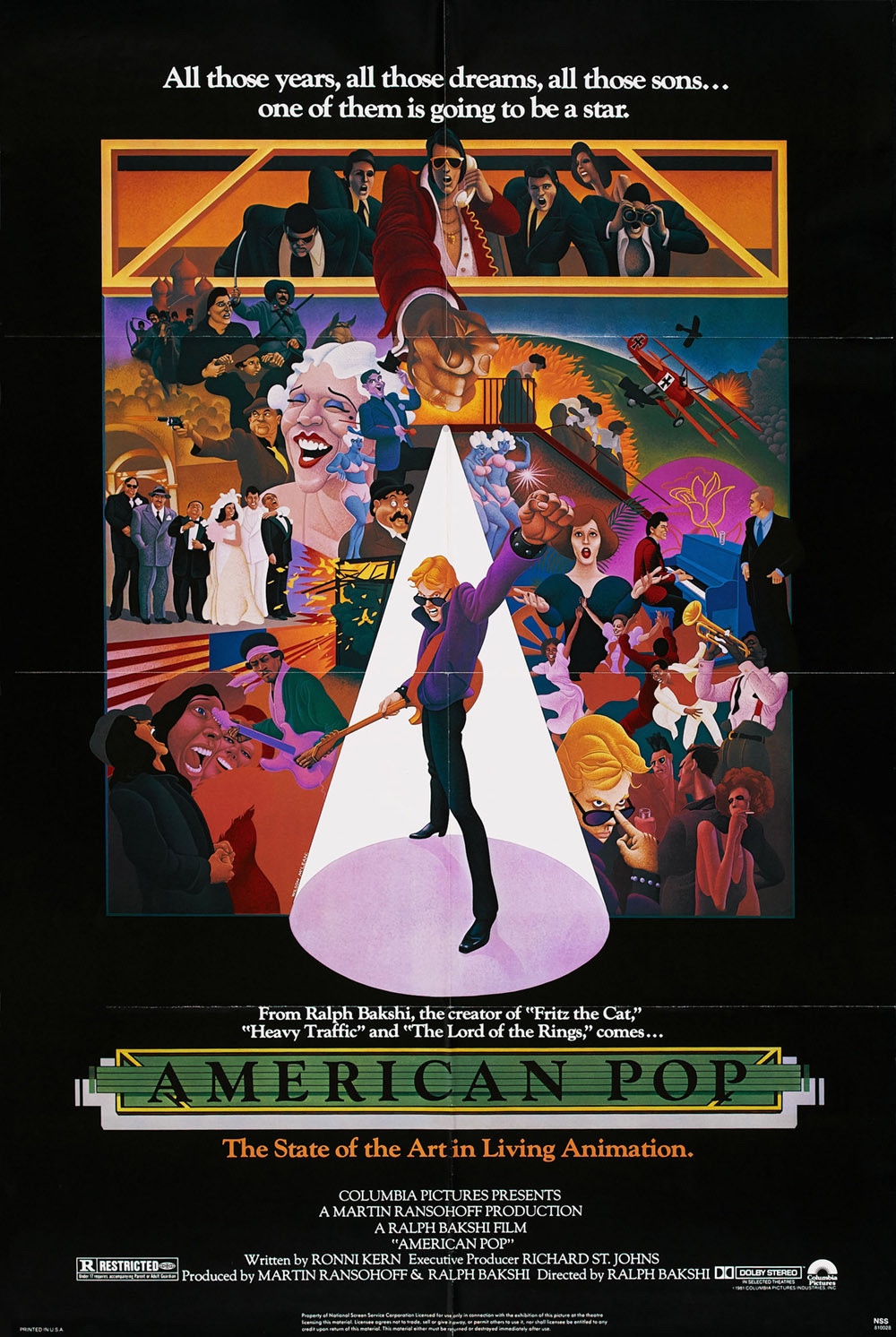
“Oldies music” evokes a sense of nostalgia, transporting listeners back to a time when melodies were simpler yet deeply resonant. This genre, broadly encompassing music from the mid-1950s through the 1970s, is more than just a collection of songs; it’s a cultural cornerstone of American history, reflecting the social changes, youthful exuberance, and evolving artistic expressions of its time. For international audiences, exploring oldies music offers a unique gateway into understanding the American spirit and its rich musical heritage. This journey delves into the heart of what makes oldies music timeless and why it continues to captivate audiences worldwide.
The Golden Age of American Music
The term “Oldies music” often conjures images of poodle skirts, drive-in theaters, and the dawn of rock and roll. While the exact definition can be fluid, it primarily refers to popular music from the rock and roll, R&B, and pop eras that predated the widespread dominance of disco and the sonic shifts of the late 1970s. This period witnessed the birth of icons who would forever change the musical landscape.
Defining the Sound and Era
Oldies music is characterized by its infectious rhythms, memorable melodies, and often straightforward lyrical themes. It laid the groundwork for much of the popular music that followed. Key elements include:
- Early Rock and Roll: Artists like Elvis Presley, Chuck Berry, and Little Richard pioneered a sound that was rebellious, energetic, and undeniably American. Their music blended country, blues, and R&B, creating a new genre that defined a generation. The influence of artists like Chuck Berry is undeniable, shaping the sounds of bands like The Beatles.
- Doo-Wop and Vocal Groups: The smooth harmonies and call-and-response patterns of groups like The Platters and The Drifters provided a softer, more romantic counterpoint to the raw energy of rock and roll.
- The British Invasion: While originating across the Atlantic, bands like The Beatles quickly became integral to the oldies sound, reinterpreting American R&B and rock influences and returning them with a fresh perspective.
- Motown and Soul: The Motown sound, with its polished production and catchy tunes from artists like The Supremes and Marvin Gaye, brought soul music to the mainstream, offering a powerful voice for African American culture.
- Folk and Folk Rock: Artists such as Bob Dylan and Joan Baez introduced socially conscious lyrics and acoustic instrumentation, adding depth and reflection to the era’s musical tapestry.
Cultural and Historical Context
The music of the oldies era did not exist in a vacuum. It was deeply intertwined with the social and cultural shifts occurring in the United States:
- Post-War Optimism and Youth Culture: The economic boom following World War II fostered a sense of optimism and a burgeoning youth culture with its own distinct tastes and trends, heavily influenced by music and dance.
- The Civil Rights Movement: Music played a crucial role in this era, with soul and R&B artists providing anthems of hope and resilience, while folk music often carried messages of protest and social change.
- Technological Advancements: The rise of radio, television, and vinyl records made music more accessible than ever before, spreading these sounds across the nation and eventually the globe. The continued legacy of artists like Elvis Presley is evident in his numerous chart-topping hits.
The Enduring Appeal of Oldies
Despite the passage of decades, oldies music retains its charm and relevance. Its appeal lies in several factors:
- Authenticity and Emotion: The raw emotion and relatable themes in oldies songs resonate across generations. Love, heartbreak, joy, and social commentary are expressed with a sincerity that feels timeless.
- Musical Craftsmanship: The emphasis on strong melodies, clear vocal performances, and well-structured arrangements showcases a high level of musical artistry that remains impressive.
- Nostalgia: For those who lived through the era, oldies music serves as a powerful nostalgic trigger, evoking cherished memories. For younger listeners, it offers a connection to a romanticized past.
- Foundation for Modern Music: The innovations and sounds pioneered during the oldies era form the bedrock of contemporary popular music. Understanding oldies provides a deeper appreciation for the evolution of music. The iconic album “Elvis: That’s the Way It Is” remains a testament to his enduring impact.
Conclusion: A Timeless Soundtrack
Oldies music is far more than a genre; it’s a vibrant chapter in the story of American culture. It represents a period of immense creativity, social transformation, and the birth of musical legends whose influence is still felt today. Whether you’re rediscovering familiar tunes or exploring this rich soundscape for the first time, the music of the oldies era offers a compelling and rewarding listening experience. Its universal themes and infectious energy ensure its place not just in history, but in the ongoing soundtrack of our lives. Explore these timeless melodies and discover the enduring magic of America’s golden era of music.
References
- “Elvis: That’s the Way It Is Album”
- “Elvis That’s the Way It Is”
- “Elvis Top 40 Hits”
- “The Beatles and Chuck Berry”
- “Little Richard’s Music”