
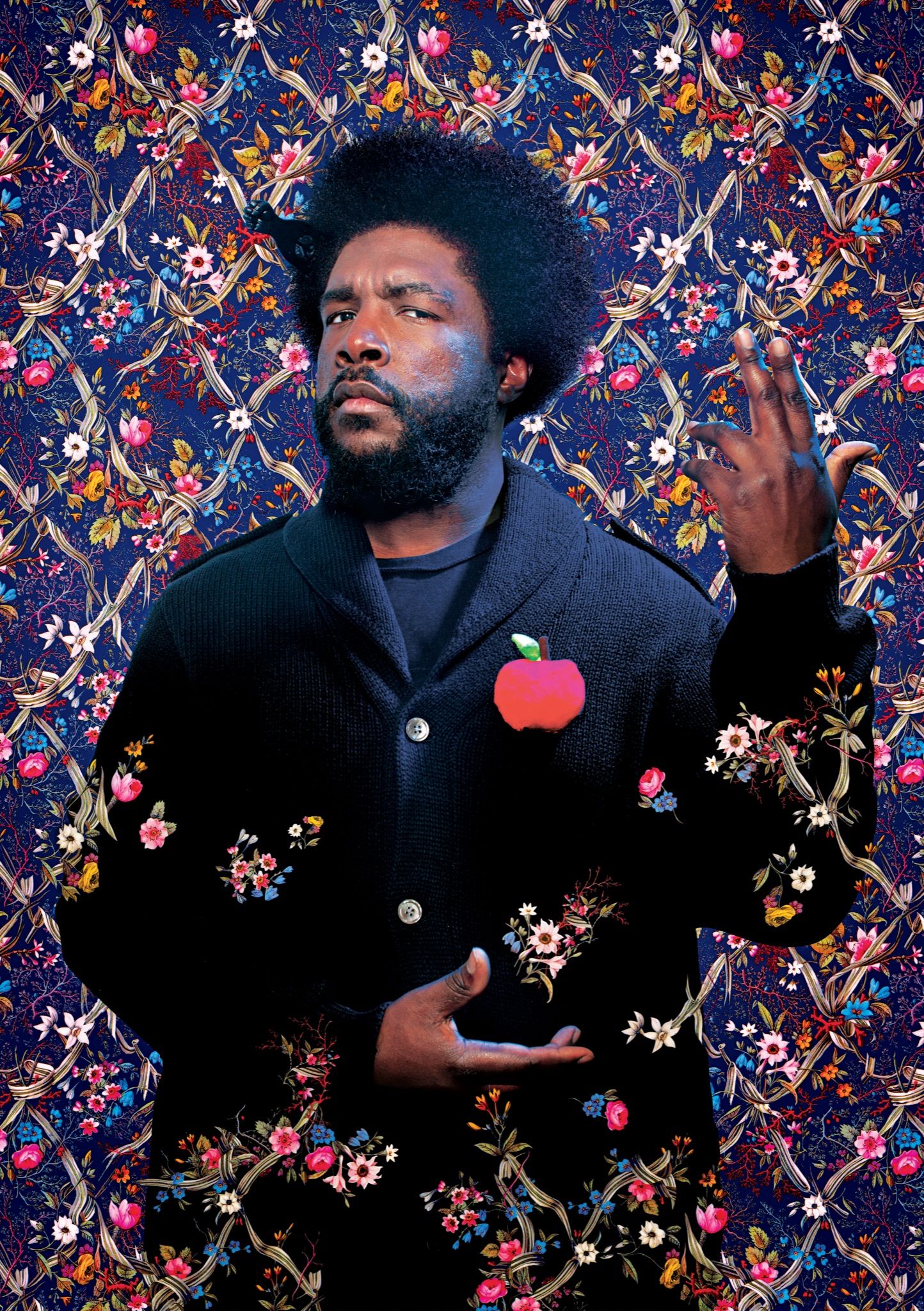
The landscape of radio, particularly the cherished genres of oldies and classic rock, has undergone a significant transformation. For many who grew up with these sounds, the shift represents a loss of a rich, diverse musical heritage. This piece delves into the evolution of oldies and classic rock radio, exploring the changes that have led to a perceived decline in variety and a shift away from the music that once defined these formats.
The Golden Age of Oldies Radio
In the early to mid-1990s, a passion for vintage music began to flourish. This era saw a resurgence of interest in bands and artists from the 1950s and 1960s. Radio stations dedicated to “oldies” and “classic rock” played a crucial role in preserving and popularizing this music. Programs like Dick Bartley’s Rock and Roll’s Greatest Hits and American Gold (later The Classic Countdown) were instrumental in exposing listeners to a wide array of artists. During this period, popular music from the Classic Top 40 era, featuring iconic acts like The Monkees, The Four Seasons, The Beatles, and The Who, received significant airplay. This provided a rich tapestry of music, including not only chart-toppers but also album cuts and lesser-known gems. The programming offered a distinct variety, with special weekend shows often delving deeper into the music’s history and artists.
Shifting Playlists and Evolving Definitions
As time progressed, a noticeable shift began to occur in oldies and classic rock radio programming. By the mid-1990s, some stations began to expand their playlists, incorporating music from the 1970s and even the 1980s. This expansion, while perhaps intended to broaden appeal, marked a departure from the traditional definition of “oldies,” which often encompassed music from approximately 1955 to 1974. This redefinition raised concerns among long-time listeners who felt that music from their childhood was being re-categorized as “oldies” or “classic hits,” blurring the lines of what the genres traditionally represented. This move also meant that earlier rock and roll, from the late 1950s and early 1960s, began to be heard less frequently, if at all.
The Rise of Formulaic Programming
The evolution of radio has led to a more homogenized sound. Many stations now focus on a seemingly limited rotation of the same popular hits, often referred to as the “same 500 songs.” This lack of diversity means that album cuts, B-sides, and other significant but less commercially ubiquitous tracks are rarely played. Consequently, listeners may not be exposed to the full breadth of an artist’s work or the wider musical landscape of the era. This formulaic approach, while perhaps catering to a perceived mainstream taste, risks alienating dedicated fans and hindering the discovery of new (old) music for younger generations. The overplaying of certain tracks, such as “American Pie” or “Hotel California,” has also led some listeners to actively avoid them, further diminishing the listening experience.
Preserving the Legacy of Oldies Music
The decline in diverse programming for oldies and classic rock radio represents more than just a change in music selection; it signifies a potential loss of a vital cultural connection. The music of the 1950s, 60s, and 70s offers a unique window into the social, cultural, and historical contexts of its time. For younger generations who may not naturally gravitate towards the music of their own era, these genres provide an accessible entry point to understanding musical history and evolution. The efforts to maintain a more traditional definition of oldies and classic rock, by advocating for the inclusion of a wider range of artists and songs, are crucial in ensuring that this rich musical heritage continues to be appreciated and discovered. The enduring appeal of these artists and their music suggests a continued desire for authentic, diverse programming that honors the full spectrum of classic music.
The legacy of oldies and classic rock radio is one of vibrant sounds and significant cultural impact. While the radio landscape continues to evolve, the call for more diverse and historically accurate programming remains. Let us continue to explore and celebrate the timeless melodies that have shaped generations and continue to resonate today.