
The Chevrolet Camaro Z28 stands as an icon in the pantheon of American muscle cars, a nameplate synonymous with performance, style, and raw power. Evolving through several distinct generations, each iteration of the Z28 has strived to push the boundaries of its era, cementing its place in automotive history and in the hearts of enthusiasts worldwide. From its aggressive styling to its potent V8 heart, the Camaro Z28 represents more than just a car; it’s a statement of intent, a symbol of freedom, and a highly sought-after collector’s item. This in-depth exploration delves into the legacy, evolution, and enduring appeal of the Chevrolet Camaro Z28, offering insights for enthusiasts and prospective buyers navigating the classic car market. Understanding the nuances of each generation is key to appreciating its journey and identifying a model that resonates with your passion for performance. Exploring options like classic muscle cars under 5k can provide context for the entry points into classic car ownership, but the Z28 often represents a more significant investment for dedicated collectors.
The Genesis: Birth of a Performance Legend (First Generation: 1967-1969)
The Camaro was born out of Chevrolet’s fierce rivalry with the Ford Mustang. Introduced for the 1967 model year, the first-generation Camaro was designed to compete directly in the burgeoning “pony car” segment. While the standard Camaro offered sporty styling, the Z28 was conceived as a homologation special for the SCCA Trans-Am racing series. This meant it needed to feature a specific engine displacement to meet racing regulations, which led to the development of the potent 302 cubic-inch (5.0-liter) V8 engine. This relatively small-displacement engine, however, was a high-revving powerhouse, featuring a solid lifter camshaft, a large carburetor, and a dual-exhaust system.
The 1967 Z28 was visually subtle compared to its racing intentions, featuring special badging and often equipped with Rally Sport trim for added flair. The performance upgrade was significant, distinguishing it from lesser Camaros. It came standard with a four-speed manual transmission, power front disc brakes, and a heavy-duty suspension. The original production numbers were limited, making these early Z28s particularly rare and valuable today.
For 1968, the Z28 received a facelift with side marker lights and a revised rear end. Mechanically, it retained its core performance focus, with the 302 V8 continuing as the heart of the beast. The Z28 also gained a fiberglass cowl induction hood, which helped feed cooler, denser air to the engine, further enhancing performance. The appeal of the Z28 during this era was its duality: a street-legal car that could trace its lineage directly to the racetrack. This direct connection to motorsport instilled a level of desirability that resonated strongly with performance-oriented buyers.
The final year of the first generation, 1969, saw the Z28 receive its most aggressive styling cues. A revised front grille, more pronounced body lines, and distinctive racing stripes became hallmarks of the model. The 302 V8 was again the standard engine, though power output was conservatively rated at 290 horsepower. However, it was widely known to produce considerably more in reality, especially with performance modifications. The 1969 Z28 is often considered the pinnacle of the first generation, blending iconic styling with ferocious performance, making it a prime target for collectors seeking a piece of muscle car history. The allure of these early models, with their raw power and racing pedigree, continues to draw enthusiasts and investors alike, contributing to their status as some of the most desirable classic muscle cars for sale craigslist.
Evolution and Identity Crisis: The Second Generation (1970-1981)
The second-generation Camaro arrived for the 1970 model year, marking a significant departure in styling and engineering. Longer, lower, and wider, the new Camaro featured a more muscular and aggressive stance, with a flowing body design that became instantly recognizable. The Z28 continued as the performance flagship, but the automotive landscape was rapidly changing.
Initially, the 1970 Z28 was equipped with a 350 cubic-inch (5.7-liter) V8 engine. However, the high-revving 302 was phased out due to its racing-specific design and diminishing appeal for street use. The 350 offered a broader torque curve, making it more tractable for daily driving. Power outputs remained robust, though increasingly impacted by emissions regulations and the shift towards unleaded fuel.
The early 1970s saw the Z28 maintain its performance credentials, but by the mid-70s, the muscle car era was in full retreat. The oil crisis and stricter emissions standards forced manufacturers to re-evaluate their performance offerings. For the Z28, this meant a decline in engine displacement and power. By 1975, the Z28 was essentially an appearance package, with a significant drop in horsepower from its predecessors. This period represented a challenging time for performance cars, and the Z28, while still visually distinct, struggled to maintain its performance identity. Many of these mid-70s models are considered less desirable by purists, though they still hold value as part of the Camaro lineage.
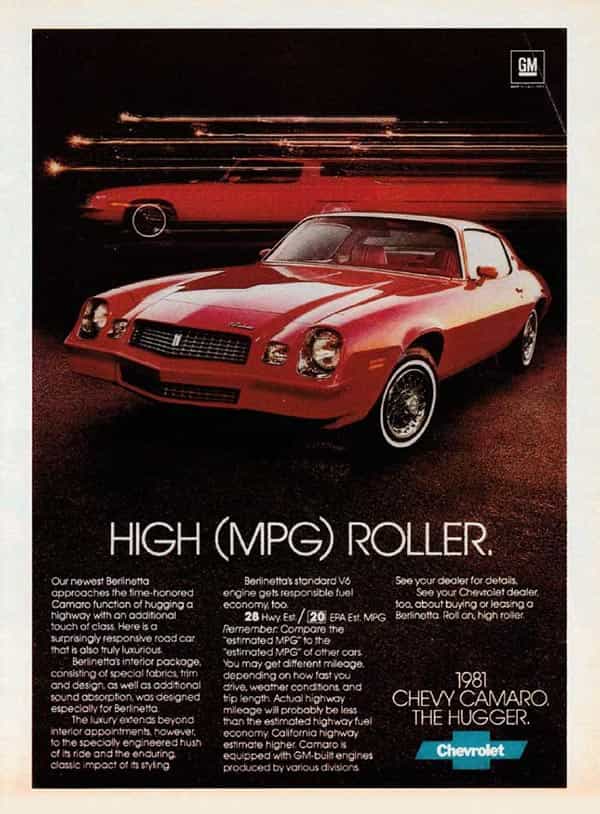
However, the Z28 began a resurgence in the late 1970s. In 1977, Chevrolet reintroduced more potent engine options, and by 1978, the Z28 was again a serious performance contender. It featured a distinctive aggressive front-end design with a chin spoiler and rear spoiler, along with simulated fender vents. Engine choices improved, with the 350 cubic-inch V8 making a return and offering more respectable power figures. The Z28 was regaining its mojo, appealing to a new generation of drivers who appreciated its styling and improved performance.
The final years of the second generation, leading up to 1981, saw continued refinement. The Z28 became a more sophisticated performance machine, incorporating advancements in suspension and braking technology. While it never quite recaptured the raw, untamed spirit of the early 1970s models, the second-generation Z28, particularly in its later iterations, proved that the Camaro could adapt and endure through challenging automotive times. This era highlights the resilience of iconic models and their ability to reinvent themselves, appealing to a diverse range of buyers interested in used old cars for sale.
Rebirth and Refinement: The Third Generation (1982-1992)
The third-generation Camaro, introduced for the 1982 model year, represented a radical departure from its predecessors. It was lighter, more aerodynamic, and incorporated modern automotive technology. The Z28 was reintroduced as the top-tier performance model, signaling a new era for the Camaro.
This generation marked a significant shift towards fuel efficiency and handling, though performance remained a core tenet. The Z28 was initially powered by a 305 cubic-inch (5.0-liter) V8 engine, available in both carbureted and, later, fuel-injected (TPI – Tuned Port Injection) versions. The TPI system, introduced in 1984, significantly boosted both power and drivability, making the Z28 a more competitive performer against its rivals.
Visually, the third-gen Z28 featured a distinctive body kit with a deep front spoiler, side skirts, and a rear spoiler, all contributing to its aggressive, modern aesthetic. The car’s design was a blend of sharp lines and aerodynamic efficiency, a stark contrast to the rounded curves of the second generation. Handling was a major focus, with independent front suspension and a refined rear suspension system providing a more planted and responsive driving experience.
In 1985, the Z28 received a significant power boost with the introduction of the Tuned Port Injection (TPI) 5.0L V8, rated at 215 horsepower. This was a crucial development that helped the Z28 reclaim its performance credentials. Further enhancements followed in subsequent years, including larger displacement engines and improved drivetrain components. The Z28 also spawned the IROC-Z variant in 1985, named after the International Race of Champions, which offered even more performance-oriented features and became a highly desirable model in its own right.
The third-generation Z28 was a critical success, revitalizing the Camaro nameplate and demonstrating its ability to adapt to changing market demands. It offered a compelling combination of performance, handling, and aggressive styling, appealing to a new generation of enthusiasts. Its success paved the way for the revival of the Camaro and set the stage for future iterations. The enduring popularity of these models underscores the lasting appeal of well-engineered performance cars, even those that challenged traditional muscle car formulas. For those interested in exploring models from this era, searching for options like old ford falcon can offer context on contemporary American classics.
The Modern Era and Beyond: Fourth Generation and Return (1993-2002, 2010-2015)
The fourth-generation Camaro, launched for the 1993 model year, continued the forward-thinking approach of its predecessor. It featured a sleeker, more rounded design compared to the sharp edges of the third generation, while still maintaining a distinct performance-oriented stance. The Z28 remained the pinnacle of the performance lineup.
Under the hood, the Z28 was powered by the potent LT1 5.7-liter V8 engine, a descendant of the Corvette’s small-block V8. This engine delivered impressive horsepower and torque figures, making the Z28 a formidable force on the street and track. The LT1 was later upgraded to the LS1 engine in 1998, a more powerful and refined all-aluminum V8 that further enhanced the Z28’s performance capabilities.
The fourth-generation Z28 was known for its strong acceleration, refined handling, and modern amenities. It represented a mature evolution of the Camaro, balancing raw power with everyday usability. However, despite its strengths, sales began to decline in the early 2000s as the market for traditional coupes shifted. Chevrolet made the difficult decision to discontinue the Camaro after the 2002 model year, marking the end of an era.
After a hiatus, the Chevrolet Camaro made a triumphant return for the 2010 model year, debuting a fifth generation that paid homage to its iconic heritage while embracing modern design and technology. The Z28 designation, however, was not initially part of the lineup, with the SS and a supercharged ZL1 taking performance honors.
In 2014, Chevrolet revived the legendary Z28 badge for the 2014 model year, but with a different philosophy. This Z28 was not about brute horsepower; it was a track-focused machine built for ultimate handling prowess. It featured a naturally aspirated 7.0-liter LS7 V8 engine, but its true strength lay in its aerodynamic enhancements, upgraded suspension, and massive Brembo brakes. It was lighter, more agile, and designed to conquer corners. This iteration of the Z28 represented a specialized focus on track performance, showcasing the Camaro’s versatility and Chevrolet’s commitment to pushing engineering limits. This period of the Camaro’s history, including its hiatus and return, demonstrates the cyclical nature of automotive trends and the enduring demand for iconic performance vehicles. For those looking at the broader market, considering a wide range of classic vehicles, understanding the value proposition of models like rusty muscle cars for sale can offer diverse entry points into automotive collecting.
Buying a Camaro Z28: What to Look For
The Chevrolet Camaro Z28, across its various generations, remains a highly desirable classic and modern performance car. For prospective buyers, understanding key considerations is crucial for making an informed purchase.
Condition: This is paramount for any classic or performance vehicle. Inspect thoroughly for rust, especially in common areas like wheel wells, rocker panels, and floor pans. Check for signs of accident damage or poor repairs. The overall condition of the paint, interior, and mechanical components will significantly impact value and driving experience.
Mileage: While lower mileage is generally preferable, the condition and maintenance history are often more important indicators of a car’s health than mileage alone. A well-maintained high-mileage Z28 can be a better buy than a neglected low-mileage example.
Originality vs. Modifications: Many Z28s have been modified over the years. While some performance enhancements can increase desirability, excessive or poorly executed modifications can detract from value and originality. Determine whether you prefer a numbers-matching, factory-original car or one that has been enhanced for performance or aesthetics. Originality often commands a premium, especially for rarer first and second-generation models.
Engine and Drivetrain: Ensure the engine runs smoothly, without excessive smoke or knocking. Check for leaks and listen for unusual noises. For manual transmission cars, a smooth clutch engagement and gear shifting are essential. For automatics, ensure smooth shifts. The iconic V8 engines are a key part of the Z28’s appeal, so their health is critical.
Documentation: A comprehensive service history, original owner’s manual, and any build sheets or documentation can add significant value and provide peace of mind. For collectible models, provenance is key.
Pricing: As indicated by sources like Classics on Autotrader, the price range for Chevrolet Camaro Z28s varies dramatically depending on the year, condition, originality, and rarity. First-generation models (1967-1969) are typically the most valuable, with prices reaching well into the six figures for pristine examples. Second-generation models (especially early 1970s and later 1970s performance versions) offer a wide range of values, while third and fourth-generation models represent more accessible entry points into Z28 ownership. Prices can range from as low as $5,500 for project cars to over $180,000 for concours-level examples.
Specific Generation Considerations:
- First Gen (1967-1969): Focus on the authenticity of the 302 V8, correct badging, and overall condition. These are highly collectible and command top dollar.
- Second Gen (1970-1981): Early 70s models with the 350s are sought after. Later models with T-tops and performance engines (late 70s onwards) offer good value. Be mindful of rust and emissions-era power compromises.
- Third Gen (1982-1992): Look for TPI equipped models for better performance. IROC-Z variants are particularly popular. These offer a good balance of modern driving dynamics and classic styling.
- Fourth Gen (1993-2002): LT1 and LS1 powered models offer strong performance. Convertibles are popular, but ensure structural integrity.
- Fifth Gen (2010-2015): While not strictly a “classic” yet, these offer modern performance. The track-focused Z28 (2014-2015) is a specialized and high-performance variant.
Researching the market thoroughly, potentially exploring resources that list various types of classic cars, can help you find a Z28 that fits your budget and desires. Many enthusiasts also find great value in the broader classifieds, as platforms like Craigslist often feature a wide array of vehicles, including those needing some work, such as classic muscle cars for sale craigslist.
The Lasting Legacy of the Camaro Z28
The Chevrolet Camaro Z28 is more than just a car; it’s a cultural icon that has defined performance and style for generations. Its journey from a homologation special to a refined sports coupe, and its occasional evolution into a track-focused machine, speaks to its adaptability and enduring appeal. Whether you’re drawn to the raw power of the early models, the balanced performance of the later generations, or the specialized track prowess of the final Z28 variants, there is a Camaro Z28 for every enthusiast. Its distinct styling, potent V8 engines, and rich racing heritage continue to captivate car lovers, ensuring its place in automotive history for years to come. The market for these vehicles remains strong, reflecting their status as desirable collector’s items and thrilling driver’s cars. As the automotive world continues to evolve, the legend of the Camaro Z28, a true embodiment of American muscle and performance engineering, remains undiminished.
What are your favorite Camaro Z28 generations or defining moments? Share your thoughts and experiences in the comments below!