
Pain is a common experience for dogs, just as it is for humans. While the instinct to alleviate their discomfort is strong, it’s crucial to avoid self-medicating with human over-the-counter (OTC) medications. Human nonsteroidal anti-inflammatory drugs (NSAIDs) such as ibuprofen (Advil), naproxen (Aleve), and aspirin can lead to severe health issues in dogs, including gastrointestinal ulceration, kidney and liver damage, and bleeding. Even acetaminophen (Tylenol), while not technically an NSAID, can harm a dog’s red blood cells and liver if misused. Fortunately, a range of veterinary-specific NSAIDs are available, offering a safer and more effective approach to managing pain and inflammation in canine companions. This article provides a comprehensive overview of NSAIDs for dogs.
What Exactly Are NSAIDs for Dogs?
NSAIDs are veterinary-prescribed medications designed to combat pain, reduce inflammation, and lower fever in dogs. Their primary mechanism involves inhibiting the production of prostaglandins, chemical messengers that signal pain and inflammation. However, certain prostaglandins are vital for protecting the stomach lining, regulating stomach acid, ensuring proper blood clotting, and maintaining kidney blood flow.
Dogs are considerably more sensitive to the adverse effects of NSAIDs than humans. While human NSAIDs can be safe for us, they can cause serious toxicity and side effects in dogs. It is imperative to never administer OTC human pain medication to a dog unless explicitly directed by a veterinarian. In contrast, many NSAIDs formulated for dogs are COX-2 selective. This means they primarily target the prostaglandins responsible for pain and inflammation, while leaving the beneficial prostaglandins to perform their essential protective functions.
Safe and Effective NSAIDs for Canine Use
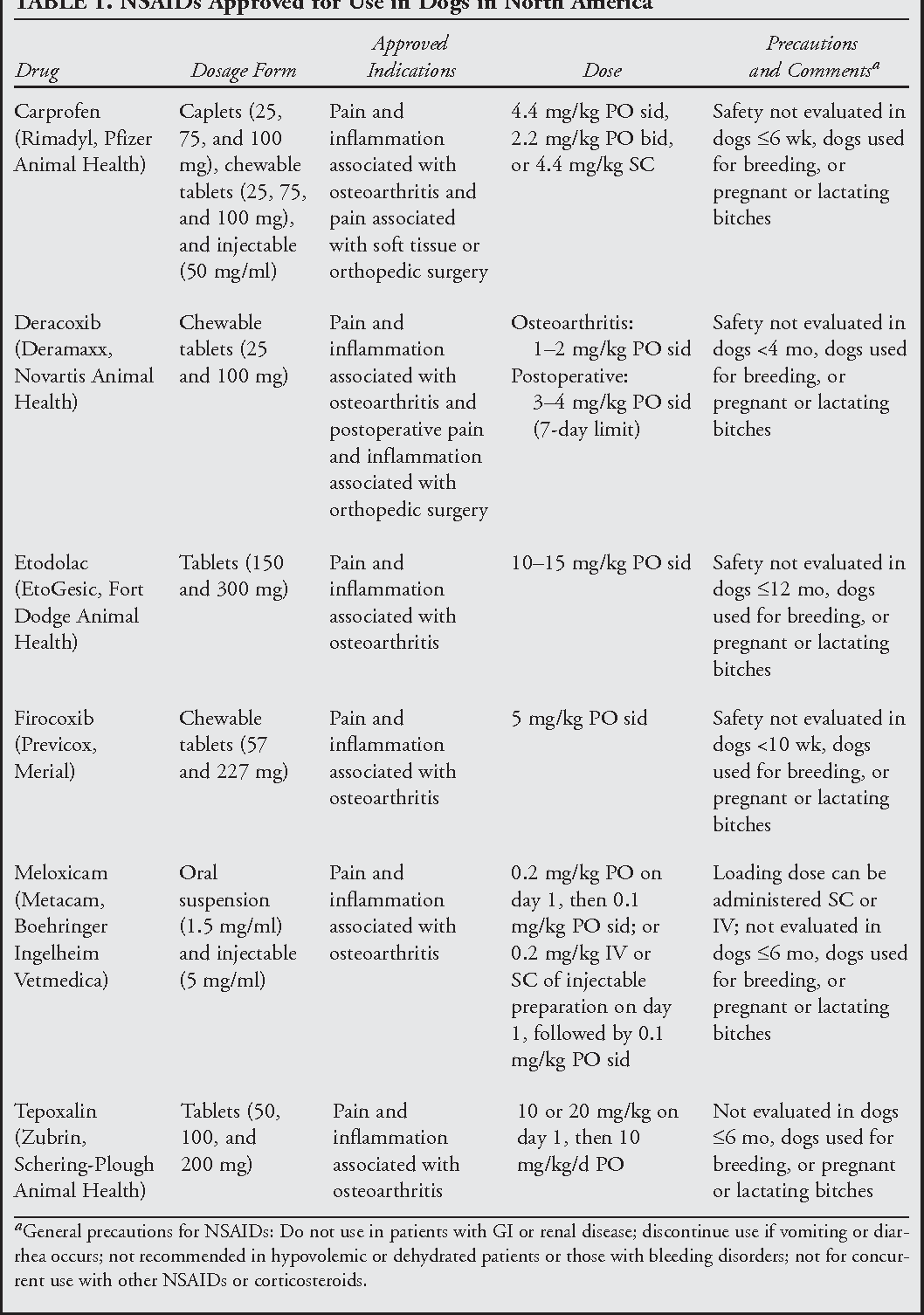
Veterinary medicine offers several NSAIDs specifically approved for dogs. The selection process should always involve collaboration with your veterinarian to ensure the most suitable anti-inflammatory medication is chosen for your dog’s specific needs.
Galliprant (Grapiprant)
Galliprant is a daily oral medication suitable for the early stages of osteoarthritis in dogs and is being explored for other chronic pain conditions. It works by blocking a specific prostaglandin receptor involved only in pain and inflammation. Its generally mild side effect profile makes it a potential option for dogs that have previously reacted poorly to NSAIDs or have pre-existing health conditions that preclude their use.
Rimadyl (Carprofen)
A common prescription from veterinarians, Rimadyl effectively treats arthritis and other inflammatory conditions in dogs. It is generally well-tolerated. The active ingredient, carprofen, is also found in other medications such as Carprieve, Novox, and Quellin.
Deramaxx (Deracoxib)
Deramaxx is often prescribed for post-operative pain, arthritis-related inflammation, and fever associated with other conditions. It is sometimes used off-label in conjunction with certain cancer treatments.
Previcox (Firocoxib)
Similar to other canine NSAIDs, Previcox is used to manage inflammation stemming from various conditions, including arthritis, and to address post-operative pain.
Metacam is another widely used pain medication for dogs, particularly those suffering from arthritis, as it helps alleviate pain, inflammation, and fever.
Galliprant, Rimadyl, Deramaxx, Previcox, and Metacam, along with other prescription-only COX-2 selective NSAIDs, can be used for both short-term pain relief and long-term management of chronic conditions. Overdoses are the most common cause of serious side effects, though rare liver reactions can occur. If you suspect your dog has ingested more medication than prescribed, contact your veterinarian or the Pet Poison Helpline immediately at 855-764-7661.
Potential Side Effects and Risks
While veterinary NSAIDs are generally safe, like all medications, they carry potential side effects. These drugs can affect the liver, kidneys, gastrointestinal tract, and blood clotting ability, especially in high-risk individuals or when administered at incorrect dosages.
Immediate veterinary attention is required if your dog exhibits:
- Increased urination
- Severe vomiting or diarrhea
Discontinue administering the NSAID and contact your veterinarian if your dog develops:
- Occasional vomiting
- Mild diarrhea
- Lethargy
In most instances, prompt veterinary care allows dogs to recover fully.
Dogs at Higher Risk for NSAID Complications
Most healthy dogs tolerate COX-2 selective NSAIDs well, particularly for short-term use. However, certain dogs are more susceptible to adverse effects. These include dogs with:
- Kidney disease
- Gastrointestinal issues
- Blood clotting or bleeding disorders
- Low blood pressure
Therefore, veterinarians often recommend pre-treatment blood work before initiating a long-term NSAID regimen. Dogs on continuous NSAID therapy should undergo veterinary check-ups and lab work every six to twelve months to monitor for potential side effects. Regular health check-ups are vital for your dog’s well-being.
Drug Interactions and NSAIDs
Combining NSAIDs with certain other medications can increase the risk of side effects. Crucially, dogs should never receive more than one type of NSAID concurrently, nor should they be given an NSAID alongside a corticosteroid like prednisone. Many veterinarians advise a waiting period between administering these drug classes. For example, if Rimadyl proves insufficient after a couple of weeks, your vet might suggest pausing it for five to seven days before switching to Deramaxx. Non-NSAID pain relievers can be used during this transition if necessary.
Potential drug interactions with NSAIDs include:
- Concurrent use of multiple NSAIDs
- Corticosteroids (e.g., prednisone)
- Certain antibiotics (e.g., aminoglycosides, sulfonamides)
- Anticoagulants
- Cyclosporine
This list is not exhaustive. Your veterinarian is the best resource to determine the safety of combining NSAIDs with other medications. Understanding potential human cough medicine for dogs interactions is also important, though direct use in dogs is generally not advised without veterinary guidance.
Supplements and NSAID Therapy
Veterinarians often integrate nutritional supplements with NSAID treatment for dogs. These may include:
- Omega-3 fatty acids
- Glucosamine
- Chondroitin sulfate
- Methylsulfonylmethane (MSM)
- Avocado soybean unsaponifiables (ASU)
- Manganese
- Methionine
The goal is to use the minimum effective medication. Once a dog’s pain is well-managed, the NSAID dosage or frequency can often be reduced, especially when combined with other appropriate therapies. Your veterinarian can create a personalized treatment and monitoring plan tailored to your dog’s specific requirements. Natural remedies for seizures in dogs might also be considered as part of a comprehensive pain management strategy, always under veterinary supervision.
Frequently Asked Questions About NSAIDs for Dogs
What anti-inflammatory medication is safe for my dog?
The only safe anti-inflammatory drugs for dogs are veterinary-approved NSAIDs, such as Galliprant, which are COX-2 selective and require a prescription. Human anti-inflammatories should not be given due to the risk of severe side effects and toxicity.
Are there any over-the-counter NSAIDs available for dogs?
No FDA-approved OTC NSAIDs exist for dogs. Never give your dog human OTC pain medication without explicit veterinary instruction, as it can lead to serious adverse effects. If your pet ingests human medication, contact your veterinarian or the Pet Poison Helpline (855-764-7661) immediately. Over the counter anti nausea medicine for dogs also falls into this category of caution.
Ultimately, managing your dog’s pain requires a knowledgeable and cautious approach, prioritizing veterinary guidance for safe and effective treatment.