

Natural pain relief for dogs is a growing concern for pet owners seeking safe and effective ways to manage their furry companions’ discomfort. Whether your dog experiences chronic pain, is recovering from an injury, or has adverse reactions to medications, understanding natural pain relief options can help improve their quality of life. Consulting a veterinarian trained in integrative methods is essential before introducing any new therapy, even if it’s natural or over-the-counter (OTC).
Understanding Natural Pain Relief for Dogs
The term “natural pain relief” may not always be entirely accurate. Not all alternatives to pharmaceuticals are truly natural, and they may carry their own risks. A better approach is through integrative medicine, which combines traditional Western medical practices with additional therapeutic options. Integrative medicine aims to provide the most effective care by tailoring treatments to each dog’s needs.
Alternative and natural therapies are particularly beneficial for dogs with chronic pain, supplementing conventional pain-control medications to achieve better outcomes.
Natural Pain Relief Options
Several natural treatments can complement traditional medications or surgical interventions. Always consult your veterinarian before starting any new regimen.
Home Remedies
Cold Therapy
Cold therapy is often recommended for dogs at home. It involves applying ice packs near injured or painful areas to constrict blood vessels, reduce inflammation, and increase comfort. Always place a cloth barrier between the ice pack and your dog’s skin to prevent frostbite or discomfort.
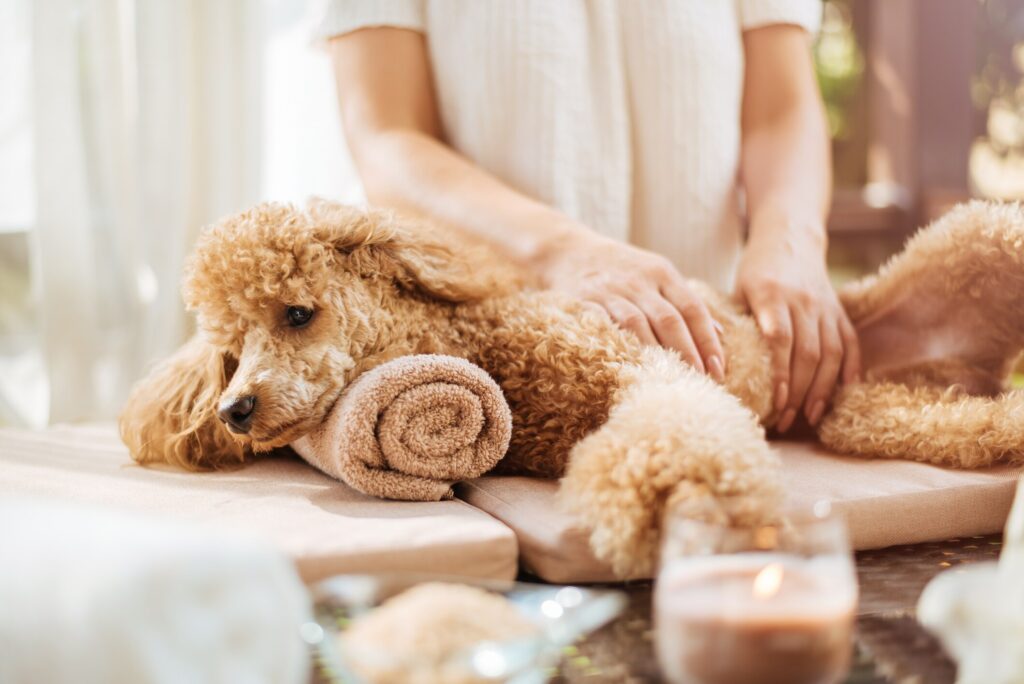
Medical Massage
Medical massage helps relieve muscle tension, improve lymphatic circulation, and reduce fluid retention. Training from a veterinarian skilled in medical massage or veterinary tui na is essential to apply these techniques safely at home.
Nutraceuticals and Supplements
Supplements, also known as nutraceuticals, can activate different mechanisms in the body to help control pain. A veterinarian’s guidance ensures safe dosing, proper interactions with medications, and quality sourcing. Common supplements include:
- Boswellia: A traditional anti-inflammatory used for lameness and joint pain.
- Omega-3 Fatty Acids: Found in fish oil and green-lipped mussels, these help reduce inflammation in conditions like arthritis and skin disorders.
- Glucosamine and Chondroitin: Support cartilage growth and joint health, often used together for optimal results.
- Herbal Medications: Prescribed by veterinarians trained in traditional Chinese veterinary medicine (TCVM), these can be tailored for specific conditions.
Alternative Veterinary Therapies
Acupuncture
Veterinary acupuncture involves inserting fine needles to stimulate the nervous system, decrease inflammation, promote endorphin release, and improve circulation. Treatments are generally relaxing for dogs and become longer-lasting with repeated sessions.
Laser Therapy
Therapeutic lasers increase blood flow, reduce inflammation, and promote muscle relaxation. They are used to manage joint discomfort, tendon or ligament injuries, and wounds.
Rehabilitation and Hydrotherapy
Rehabilitation therapy encourages the use of joints and muscles to reduce pain and improve mobility. Hydrotherapy, including underwater treadmills or pools, allows non-weight-bearing exercise, helping dogs with joint issues or weight management.
Veterinary Spinal Manipulative Therapy (VSMT)
Similar to chiropractic care for humans, VSMT improves joint mobility, decreases nerve pressure, and reduces muscle tension. It targets vertebrae and other joints, restoring proper motion to alleviate pain.
Weight Management
Maintaining a healthy weight is crucial, especially for dogs with arthritis or orthopedic injuries. Excess weight increases joint stress, exacerbating pain. A veterinarian can develop a safe plan for calorie intake and exercise to reduce weight and improve overall mobility.
Finding a Holistic Veterinarian
For chronic injuries or diseases, seek a veterinarian trained in alternative therapies. Bring a detailed list of all medications, supplements, and herbs your dog receives to avoid negative interactions. Resources for locating integrative veterinarians include veterinary associations specializing in TCVM, acupuncture, and rehabilitation therapy.
Conclusion
Managing natural pain relief for dogs involves a combination of integrative therapies, proper nutrition, rehabilitation, and weight management. Always collaborate with a qualified veterinarian to ensure safe and effective pain control tailored to your dog’s specific needs. By exploring natural pain relief options responsibly, pet owners can enhance their dogs’ comfort and quality of life.
For more insights on holistic dog care, explore our other articles on managing arthritis naturally and herbal first aid for pets.
References
- PetMD: Natural Pain Relief for Dogs
- PetMD: Medical Massage Techniques for Dogs
- PetMD: Omega-3 Fatty Acids in Dogs
- Chewy: Veterinary Supplements for Dogs
- American Veterinary Medical Association: Integrative Veterinary Medicine