
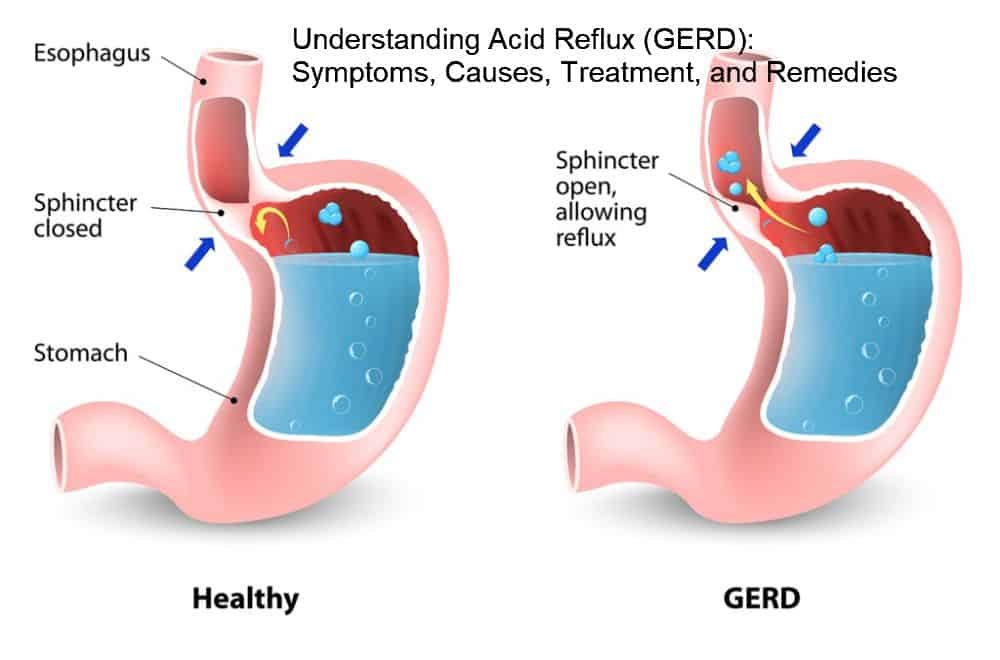
Acid reflux, or gastroesophageal reflux disease (GERD), is a condition that can affect dogs just as it does humans. It occurs when stomach acid or contents flow back up into the esophagus, causing discomfort and potential damage to the esophageal lining. While the exact mechanisms can be complex, understanding the signs, causes, and available remedies is crucial for pet owners.
What Is Acid Reflux in Dogs?
Acid reflux in dogs is characterized by the backward flow of intestinal or gastric fluid into the esophagus. This happens when the sphincter connecting the esophagus to the stomach fails to close properly, allowing stomach acid to enter the esophagus. This caustic acid can lead to inflammation and irritation of the esophagus. Brachycephalic breeds, such as pugs, are more prone to this condition due to their shorter esophagus. It’s important to distinguish acid reflux from vomiting; while vomiting involves abdominal contractions, acid reflux or regurgitation occurs suddenly when fluids reach the esophagus, causing the dog to bring up stomach contents without warning.
Acid Reflux Symptoms in Dogs
Dogs experiencing acid reflux often exhibit signs of discomfort. Key symptoms include:
- Licking lips or the air
- Empty swallowing and increased or decreased appetite
- Vomiting bile
- Retching, burping, or gagging
- Eating unusual objects like dirt or grass
- Bad breath originating from the stomach
- Teeth grinding or jaw snapping
- Painful swallowing, reluctance to eat, or whining
- Coughing, laryngitis, wheezing, or aspiration pneumonia due to inhaling acid
- Changes in voice
- Restlessness, pacing, and discomfort
- Hunched back posture indicating pain
- Lethargy and reluctance to move
- Weight loss
- Vomiting blood (hematemesis) due to esophageal ulceration
- Abnormal lab results
Causes of Acid Reflux in Dogs
Numerous factors can contribute to acid reflux in dogs:
- Diet: Highly processed foods, nutrient deficiencies, and food sensitivities.
- Microbiome Imbalance: Disruption of gut bacteria due to antibiotics, SIBO, yeast overgrowth, or parasites.
- Digestive Tract Inflammation: Including IBD, especially affecting the upper digestive tract, and leaky gut syndrome.
- Physical Conditions: Foreign bodies, myasthenia gravis/megaesophagus (an autoimmune nerve disease), impaired nerve flow to sphincters, hiatal hernia, obesity, and slow or inappropriate peristalsis.
- Stomach Acid Issues: Overproduction (due to stress, hernia, spicy food) or underproduction (due to antacids or nutrient deficiencies).
- Other Health Issues: Chronic vomiting from pancreatitis, kidney, or liver problems.
- Stress: Can disrupt the microbiome, leading to inflammation and altered digestion.
- Anesthesia: Slows bodily processes, requiring a waiting period before feeding.
- Developmental Factors: Incompletely developed esophageal sphincters in younger dogs.
- Trauma: Ingestion of foreign objects or external perforation of the throat.
- Tumors.
Diagnosis of Acid Reflux in Dogs
Diagnosing acid reflux requires a thorough investigation to identify the root cause. A holistic veterinarian may perform a physical and neurological examination, assessing for esophageal pain, range of motion, and potential misalignments that could affect the vagus nerve. This can include:
- Physical and chiropractic exams
- Visceral manipulation to ensure organ mobility
- Cranio-sacral exams to check for vagus nerve restrictions
- Evaluation of posture and movement, as even issues like untrimmed toenails can cause misalignments affecting the vagus nerve.
Diagnostic tools may also include:
- Natural antacid trials to gauge acid levels
- Microbiome testing
- Parasite screening
- In severe cases, biopsies and imaging such as endoscopy, ultrasound, X-rays, or fluoroscopy.
Medications and Natural Remedies for Acid Reflux in Dogs
Conventional medications for acid reflux, such as prokinetic drugs and acid neutralizers, can have significant side effects, including increased fracture risk due to calcium malabsorption, potential autoimmune diseases, reduced nutrient absorption, and even stomach cancer with long-term use. Therefore, natural approaches are often preferred.
Natural Remedies and Dietary Support
Several natural remedies and dietary adjustments can significantly help dogs with acid reflux:
- Nutrient Support:
- Zinc: Essential for hydrochloric acid (HCl) production.
- Digestive Enzymes: Support pancreatic function and food digestion.
- Probiotics: Restore and balance the gut microbiome, promoting beneficial bacteria.
- Ashwagandha: Helps manage stress for both the dog and owner.
- Dietary Recommendations:
- Avoid: Dry, processed foods with grains, starches, chemical preservatives, and low nutritional value.
- Feed: High-moisture meals made from whole foods. Gently cook meats and lightly steam vegetables for easier digestion.
- Meal Frequency: Smaller, more frequent meals can reduce stomach acid release. Lower fat and protein options may also be beneficial.
- Late-Night Snack: A small meal before bed can prevent an empty stomach overnight.
- Elimination Diet: For dogs with food sensitivities, gradually introduce single food sources to identify triggers.
- Natural Antacids:
- Soothing herbs like ginger, slippery elm, licorice, and marshmallow root can calm esophageal and stomach irritation.
- Supplements like pure organic aloe vera juice can coat the stomach.
- Ripe bananas offer natural antacid properties.
- Ginger tea or chamomile tea can be soothing.
Lifestyle Adjustments
- Exercise: Regular exercise helps reduce stress, releases endorphins, and promotes internal organ and digestive system movement.
Digestion and Acid Reflux in Dogs: A Deeper Look
Proper digestion in dogs relies on a complex interplay of muscle tone, organ function, the nervous system, and the microbiome. Conditions like arthritis can lead to tightness, impacting the digestive system. Key anatomical factors influencing digestion and acid reflux include:
- Diaphragm: Crucial for closing the esophageal sphincter; a hiatal hernia can weaken this closure.
- Central Nervous System: Regulates internal organs and digestive processes. The gut has a more extensive nerve network than the spine.
- Vagus Nerve: Integrates organ function throughout the body. Injuries or age-related decline can impair nerve flow, affecting digestion.
- Fascia: Connective tissue surrounding muscles and organs can become tight due to scarring (e.g., from spay/neuter surgery, gastropexy) or arthritis, hindering proper digestion.
- Microbiome: Imbalances in gut microbes can affect sphincter function and increase inflammation, leading to conditions like leaky gut which prolongs digestion time and can cause regurgitation.
The Role of Stomach Acid
Appropriate levels of hydrochloric acid (HCl) are vital for:
- Breaking down dietary proteins.
- Aiding nutrient absorption.
- Eliminating bacteria and viruses.
- Preventing pathogen overgrowth in the upper GI tract.
Hypochlorhydria (low HCl) can lead to SIBO, fungal overgrowth, increased intestinal permeability (leaky gut), and food sensitivities. Hyperchlorhdria (high HCl) can cause ulcers and esophageal inflammation.
Given the multifaceted nature of acid reflux in dogs, a holistic approach that addresses the underlying causes is essential for restoring your dog’s health and well-being.