
Training a Pitbull puppy, especially an American Pit Bull Terrier, is a journey filled with challenges and rewards. These energetic and strong-willed dogs can become obedient, well-adjusted adults with the right approach, dedication, and a deep understanding of their unique needs. Whether you’re a first-time owner or an experienced dog lover, this guide will walk you through the essential steps to raise a happy, confident, and well-behaved Pitbull.
What to Consider Before Training Your Pitbull Puppy
Before diving into training, it’s crucial to lay a strong foundation. Start by knowing your breeder. The temperament of your Pitbull puppy is heavily influenced by its early breeding environment. Opt for breeders who prioritize friendly, sociable traits over aggression or guard dog tendencies. Research their reputation, genetic health history, and reviews from previous owners to ensure your puppy is healthy and well-adjusted.
Understanding your Pitbull’s background, health, and temperament will shape your training approach. Patience, consistency, and positive reinforcement—such as clicker training—are key. A well-informed owner is better equipped to provide the right care, leading to a happier, healthier puppy and a stronger bond between you and your new companion.
Start Socializing Your Pitbull Puppy Early
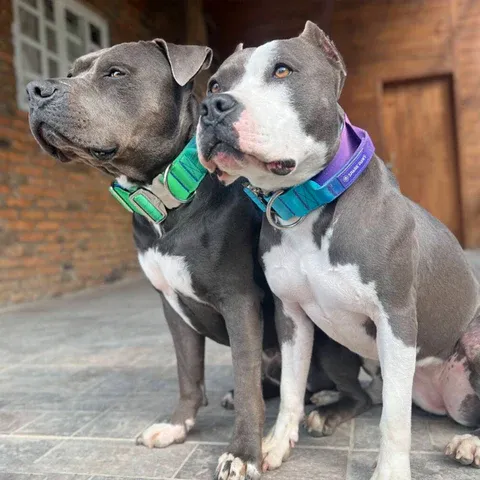
Early socialization is vital for Pitbulls. Introduce your puppy to diverse environments, people, and animals to build confidence and prevent fear-based aggression. This process ensures your pup grows into a well-adjusted, friendly dog.
Key Socialization Steps:
Bringing Your Puppy Home
Aim to bring your Pitbull home at 8 weeks old. The period up to 16 weeks is critical for social learning. Early interactions with the breeder and your family help establish trust and housebreaking habits.Settling In
Allow your puppy two weeks to adjust to your home before major socialization. Begin teaching basic commands and house-training during this time.Meeting People
Invite friends and family to visit regularly, especially between 8 and 12 weeks. Early human interactions help your puppy see people as friends.Introduction to Other Animals
Introduce your Pitbull to other dogs and animals between 10 and 16 weeks. Opt for controlled environments like small parks or private spaces instead of crowded dog parks.Diverse Experiences
Expose your puppy to various settings—cars, elevators, offices, and different homes. Ensure vaccinations are up to date to protect against health risks like parvovirus.Regular Grooming
Start grooming early, including brushing and bathing. Pitbulls typically need baths only once a month, so early introduction helps them cooperate in the future.
Teaching Proper Behavior With Other Dogs
Dog parks and playdates are excellent for socializing your Pitbull. Monitor their interactions and use positive reinforcement to encourage good behavior. Avoid forcing interactions, as this can lead to stress or conflicts.
When to Start Training Your Pitbull
The best time to start training is immediately after bringing your puppy home. Young Pitbulls are quick learners and can absorb basic commands like sit, stay, and come. Early training sets the stage for advanced obedience and dog sports, where Pitbulls often excel.
Leash Walking: A Crucial Skill
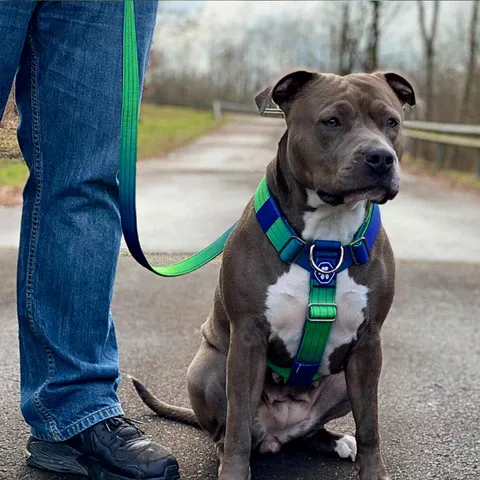
Leash training is essential for Pitbull owners. A well-trained dog should walk calmly by your side without pulling. Use leash corrections initially, followed by praise for good behavior. A no-pull harness can significantly aid in this process, ensuring safe and enjoyable walks.
Advanced Training and Dog Sports
Pitbulls are athletic and thrive in activities like weight pulling, agility, and obedience competitions. These sports provide mental and physical stimulation, helping channel their energy constructively.
Potty Training Your Pitbull Puppy
Potty training requires consistency, supervision, and positive reinforcement. Set a strict schedule and use cues to teach your puppy where and when to relieve themselves.
Potty Training Tips:
- Designate a Potty Area: Guide your Pitbull to use the same spot every time.
- Use Training Pads: For indoor potty training, place disposable pads in a consistent location.
- Timing is Key: Take your puppy out regularly, especially after meals, naps, and play sessions.
- Reward Good Behavior: Praise and treats reinforce positive habits.
- Stay Calm During Accidents: Clean up without punishment to avoid anxiety.
By maintaining patience and consistency, your Pitbull will learn the right place to go, leading to a cleaner home and a happier puppy.
Crate Training: A Safe and Effective Method
Crate training can be a valuable tool for potty training and preventing destructive behavior when you’re away. Introduce your Pitbull to the crate gradually, making it a positive space with comfortable bedding and toys.
Steps for Crate Training:
- Introduce the Crate: Let your puppy explore the crate with the door open.
- Short Sessions: Start with 5-minute sessions, rewarding calm behavior with treats and praise.
- Increase Duration: Gradually extend the time to 30 minutes without direct interaction.
- Leave the Room: Begin with short absences (5 minutes), rewarding calm behavior upon your return.
- Create a Cozy Space: Cover the crate with a blanket and provide soothing background noise.
Patience is key—your Pitbull will learn to see the crate as a safe retreat.
Answering Your Pitbull Training FAQs
Are Pitbull Puppies Easy to Train?
Yes, Pitbull puppies respond well to consistent, positive reinforcement-based training. They thrive on structure and clear expectations.
What is the Right Age to Train a Pitbull?
Start training as soon as you bring your puppy home, typically around 8–10 weeks. Early training establishes a foundation for a well-behaved adult dog.
Should Pitbulls Be Crate Trained?
Yes, crate training is a safe and effective method for potty training and preventing destructive behavior. Ensure the crate is a positive space with comfortable bedding and toys.
How Do I Train My Pitbull Puppy to Protect Me?
Protection training should only be done under the guidance of professional dog trainers. Organizations like Dog Training Elite and Dog Gone Problems specialize in safe and responsible training methods.
Conclusion: Building a Lifetime of Trust and Obedience
Training a Pitbull puppy requires dedication, patience, and a tailored approach. By starting early, using positive reinforcement, and seeking professional guidance when needed, you’ll build a strong, trusting relationship with your dog. Every Pitbull is unique, so adapt your methods to fit their personality and needs.
With the right tools, understanding, and consistency, your journey with your Pitbull will be filled with rewarding experiences. Watch as your puppy grows into a well-behaved, loving, and confident companion—ready to take on the world by your side.