
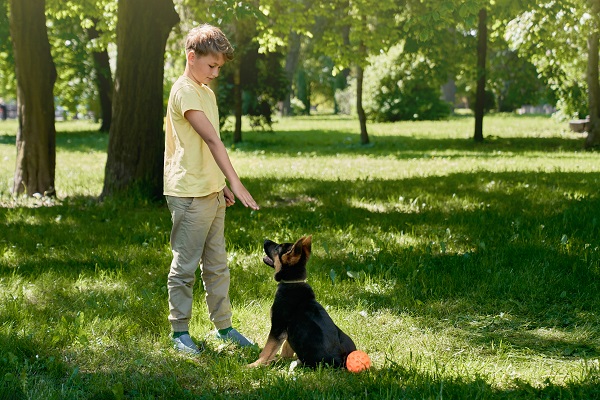
Starting the journey of potty training can feel like a daunting task, especially when your furry friend seems to have a mind of their own. It is essential to remember that your dog is brand new to a world filled with human rules and expectations. With patience and consistent guidance, even the most headstrong puppy can become a well-trained, accident-free companion. Once your dog learns to associate positive potty habits with high-quality treats and rewards, you will be well on the road to a clean home and a happy pet.
Why Some Dogs Struggle With Housebreaking
Are you a new pet owner dealing with a stubborn puppy? Potty training dogs takes a combination of dedication, love, and immense patience. Understanding why certain dogs have difficulty helps you address the root cause of the behavior rather than just reacting to the symptoms.
Age is often the primary factor. Young puppies have smaller bladders and limited physical control, making accidents a natural part of the learning process. However, if a previously trained dog suddenly begins having accidents, there may be an underlying medical condition. In such cases, it is vital to consult your veterinarian to rule out issues like urinary tract infections or digestive problems.
Previous living situations and genetics also play a role. Some dog breeds, such as terriers, pointers, setters, and Chihuahuas, are notorious for being a bit more difficult when it comes to housebreaking. If you own one of these breeds, you must be extra consistent with their sleeping, eating, and walking schedules. Environmental factors, such as inconsistent commands from different family members or frequent changes in routine, can also confuse a dog and slow their progress.
1. Limit Your Dog’s Access to the Home
One of the first steps in potty training a difficult dog is to establish a designated space within your home. By containing your dog in a specific area—perhaps using a toddler gate in a kitchen or laundry room—you reduce the risk of accidents on carpets. Ideally, this area should have solid surface flooring like hardwood or tile for easy cleanup.
Within this space, place their crate. The crate should be large enough for the dog to stand, turn around, and stretch out comfortably. Crate training is a lifelong benefit; the goal is to make your dog feel secure and comfortable in their “den,” rather than trapped or frustrated.
2. Utilize Potty Training Pads
Potty pads can be an excellent way to jumpstart the training process, particularly for families living in high-rise apartments or cold climates. To set this up, place newspapers over a section of the floor with a pheromone-scented potty pad in the center. Ensure this area is separate from their feeding station, as dogs have a natural instinct not to soil the area where they eat. This method helps the puppy learn that there is a specific, acceptable spot for elimination indoors.
3. Establish a Strict Feeding and Napping Schedule
The most essential aspect of potty training a stubborn dog is sticking to a rigid schedule. Strong-willed breeds often thrive when they know exactly what to expect. Devising a timeline for meals and naps will help you gain control over their bathroom habits. Puppies typically need to eat at least three times a day, while older dogs usually require two mealtimes. Until your dog is fully housebroken, their overnight sleep times and naps must be carefully monitored.
4. Immediate Potty Breaks After Meals
Timing is everything. Take your dog to their designated spot immediately after they wake up from a nap or finish a meal. The younger the dog, the faster you need to move. Stay with your dog in the yard or on a leash and use a consistent command like “Go potty.” Repetition is key; allowing them to sniff and explore while hearing the command helps them associate the words with the physical act.
5. Positive Reinforcement with Tasty Treats
Positive reinforcement is the cornerstone of effective dog training. Keep small, healthy treats in your pocket and reward your dog the very second they finish going in the right spot. Lavish them with praise, using a happy tone to say, “Good potty!” This creates a clear connection between the desired behavior and a positive outcome.
6. Crate Training for Consistency
When used correctly, crating is not a punishment but a helpful tool. Because dogs are den animals, they naturally prefer not to soil their sleeping area. Your dog should rest in their crate when you are out of the house or asleep. Keep in mind that a young puppy should only spend a couple of hours in a crate during the day, and no more than six hours overnight. Immediately upon release, take them to their potty spot.
7. Maintain Unwavering Consistency
Stubborn dogs require strict adherence to limitations and routines. While your dog likely wants to please you, it is your job to show them how. Setbacks are a normal part of the process, but as long as your behaviors are predictable, your puppy will eventually follow suit.
8. Clean Up Accidents Promptly and Correctly
Dogs use their sense of smell to identify “approved” bathroom spots. If a residual urine odor remains, they will likely return to that spot again. Use enzymatic cleaners that actually break down the odor rather than just masking it. If you have a particularly stubborn breed like a Chihuahua or a terrier, one missed spot can set your progress back significantly.
9. Practice Patience and Kindness
Avoid using harsh words or physical discipline for mistakes. Screaming at a dog only creates fear and anxiety, which can actually lead to more accidents. If a previously trained dog starts having issues, remember to check for medical problems rather than assuming they are being “bad.” Kindness and a calm demeanor will always yield better results than frustration.
Common Potty Training Mistakes to Avoid
Even the most well-intentioned owners can make errors that hinder progress. Be mindful of these pitfalls:
- Inconsistent Schedules: If everyone in the house isn’t using the same commands and times, the dog will remain confused.
- Punishing After the Fact: Dogs live in the moment. They cannot connect your current anger to an accident that happened an hour ago.
- Too Much Freedom: Don’t give your dog access to the whole house until they have been accident-free for several weeks.
- Skipping Rewards: Even after they seem “trained,” continue to offer praise and occasional treats to reinforce the habit.
Final Thoughts on Successful Training
Mastering these techniques requires a blend of patience and understanding. Successful potty training rests on three main pillars: consistent schedules, immediate rewards, and constant supervision. By creating an environment where your dog can succeed, you strengthen the bond between you and your pet.
Positive reinforcement makes all the difference in shaping long-term habits. Every dog learns at their own pace, so stay committed to the routine. For those with particularly stubborn puppies, high-value rewards like jerky bites can be the extra motivation they need to finally master their housebreaking skills.
References:
- American Kennel Club (AKC): How to Potty Train a Puppy
- Humane Society of the United States: House-training your dog or puppy
- PAWS: Crate Training Your Dog