
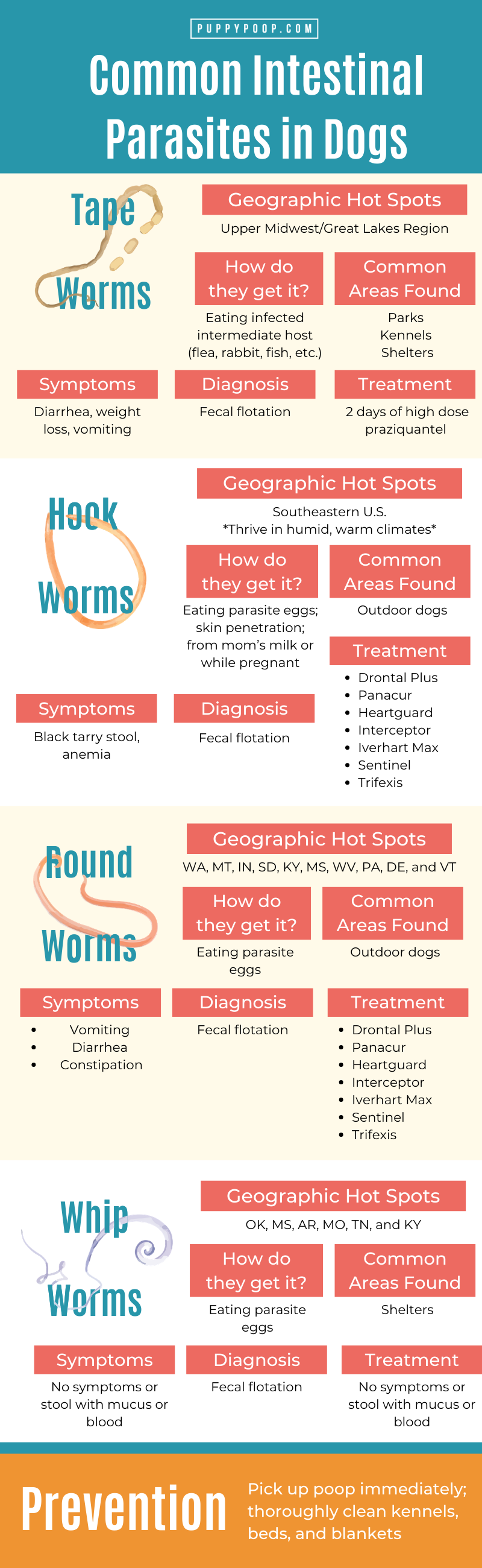
Tapeworms are a prevalent concern for dog owners, affecting puppies and adult dogs alike. These common intestinal parasites can lead to discomfort and, in some cases, more severe health issues if left untreated. Understanding how dogs contract tapeworms, recognizing the signs, and knowing the available treatments are crucial for maintaining your dog’s well-being. This guide provides a comprehensive overview to help you manage and prevent tapeworm infections in your canine companions.
What Are Tapeworms in Dogs?
Tapeworms are intestinal parasites that dogs typically acquire by ingesting infected fleas, rodents, or other wildlife that harbor tapeworm larvae or eggs. When a dog grooms itself and accidentally swallows an infected flea, the tapeworm lifecycle continues within the dog’s digestive system. While finding evidence of tapeworms can be alarming, it’s important to note that tapeworm infections in dogs are usually not an immediate medical emergency.
Types of Tapeworms in Dogs
Several species of tapeworms can infect dogs, each with slightly different transmission routes:
- Dipylidium caninum: This is the most common type, often contracted when dogs ingest infected fleas or lice during self-grooming.
- Taenia: The second most common, these tapeworms are acquired when dogs eat infected rabbits or other small prey.
- Echinococcus: Less common, these tapeworms are transmitted when dogs consume infected rodents.
Symptoms of Tapeworms in Dogs
Many dogs infected with tapeworms show no outward signs of illness. However, when symptoms do appear, they can include:
- Scooting: Your dog may drag its rear end along the ground as a result of irritation around the anus.
- Excessive licking or biting: Dogs may excessively lick or bite at their tail area due to discomfort.
- Visible segments: You might observe small, rice-like segments (live worms) in your dog’s stool or dried, seed-like segments stuck in their fur, particularly around the anus.
In rare cases of heavy infestation, dogs may experience intestinal blockages, unexplained weight loss, or even vomit entire tapeworms.
Causes of Tapeworms in Dogs
Fleas are the primary culprits behind tapeworm infections in dogs across North America and other regions where fleas are prevalent. Dogs of all breeds and ages are susceptible, especially those with frequent exposure to fleas, those that spend significant time outdoors, or those with hunting instincts.
The infection cycle typically begins when a dog ingests an infected flea while grooming. The immature tapeworms within the flea mature in the dog’s digestive tract, eventually shedding segments containing eggs. Dogs can also contract tapeworms by consuming infected lice or wildlife.
How Veterinarians Diagnose Tapeworms in Dogs
If you suspect your dog has tapeworms, the first step is to contact your veterinarian. Diagnosis usually involves a fecal sample. You can collect this sample from home or your vet can obtain one during a physical examination.
Veterinarians may perform laboratory tests, such as a fecal examination (fecal centrifugation and flotation) or a fecal antigen test, to identify parasite eggs or specific parasite proteins. It’s important to note that tapeworm eggs are not always consistently shed in stool and can be difficult to detect via standard fecal tests, potentially leading to underdiagnosis. Your vet will conduct thorough testing to ensure accurate identification of the worm and to check for other concurrent parasite infections.
Treatment of Tapeworms in Dogs
The most common tapeworm in dogs, Dipylidium caninum, is typically treated effectively with a deworming medication called praziquantel. This medication is available as an injection administered by a veterinarian or in prescription and over-the-counter oral formulations.
For other types of tapeworms, or in specific situations, your veterinarian might prescribe alternative deworming medications such as fenbendazole (e.g., Panacur) or epsiprantel (e.g., Cestex). It is crucial to consult with your vet before administering any medication to ensure it is appropriate for your dog’s specific condition.
Recovery and Management of Tapeworms in Dogs
Dogs generally recover quickly and feel well after treatment for tapeworms. However, successful treatment requires a dual approach: deworming medication combined with consistent flea control. Without effective flea management, your dog is at risk of reinfection as soon as they ingest another infected flea. Promptly cleaning up your dog’s stool is also essential to prevent environmental contamination with tapeworm eggs.
Prevention of Tapeworms in Dogs
Preventing tapeworm infections involves a proactive approach:
- Year-Round Flea Prevention: Administering a veterinarian-approved flea preventative consistently throughout the year is the most effective way to stop tapeworm transmission, as fleas are the primary carriers. Discuss with your vet the best formulation (tablet, chew, or topical) for your pet’s individual needs.
- Prescription Parasite Preventatives: Some monthly parasite preventatives include praziquantel, offering both flea and tapeworm protection.
- Limit Wildlife Ingestion: Keep your dog on a leash or within a securely fenced yard to minimize their opportunity to consume rodents or other wildlife that may carry tapeworms.
Tapeworms in Dogs FAQs
How do I get rid of tapeworms in my dog?
Tapeworms are typically treated with a dewormer like praziquantel. Always consult your veterinarian for the correct diagnosis and treatment plan.
Can tapeworms be passed from a dog to a human?
The most common tapeworm, Dipylidium caninum, is not directly transmissible to humans, though accidental ingestion of an infected flea could lead to infection in rare circumstances.
Do I need to clean my house if my dog has tapeworms?
Yes, thorough cleaning is essential to prevent reinfection and eliminate tapeworm eggs. This includes washing all pet bedding, promptly disposing of stool, vacuuming carpets and furniture, and potentially steam cleaning surfaces. Ensuring all pets in the household are on flea preventative is also critical.
References
- Companion Animal Parasite Council. (n.d.). Dipylidium caninum.
- Companion Animal Parasite Council. (n.d.). Echinococcus spp.
- Companion Animal Parasite Council. (n.d.). Taenia spp.
- Little, S., Braff, J., Duncan, K., et al. (2023). Diagnosis of canine intestinal parasites: Improved detection of Dipylidium caninum infection through coproantigen testing. Veterinary Parasitology, 324, 110073.