
There’s something deliciously rebellious about popping off two roof panels and hitting the open road without going full convertible. The T-top offered exactly that — a perfect balance between open-air freedom and structural rigidity. It became one of the most distinctive automotive design choices of the 20th century, and the cars that wore it remain icons today. Here’s how the T-top evolved from a forgotten prototype into a cultural phenomenon.
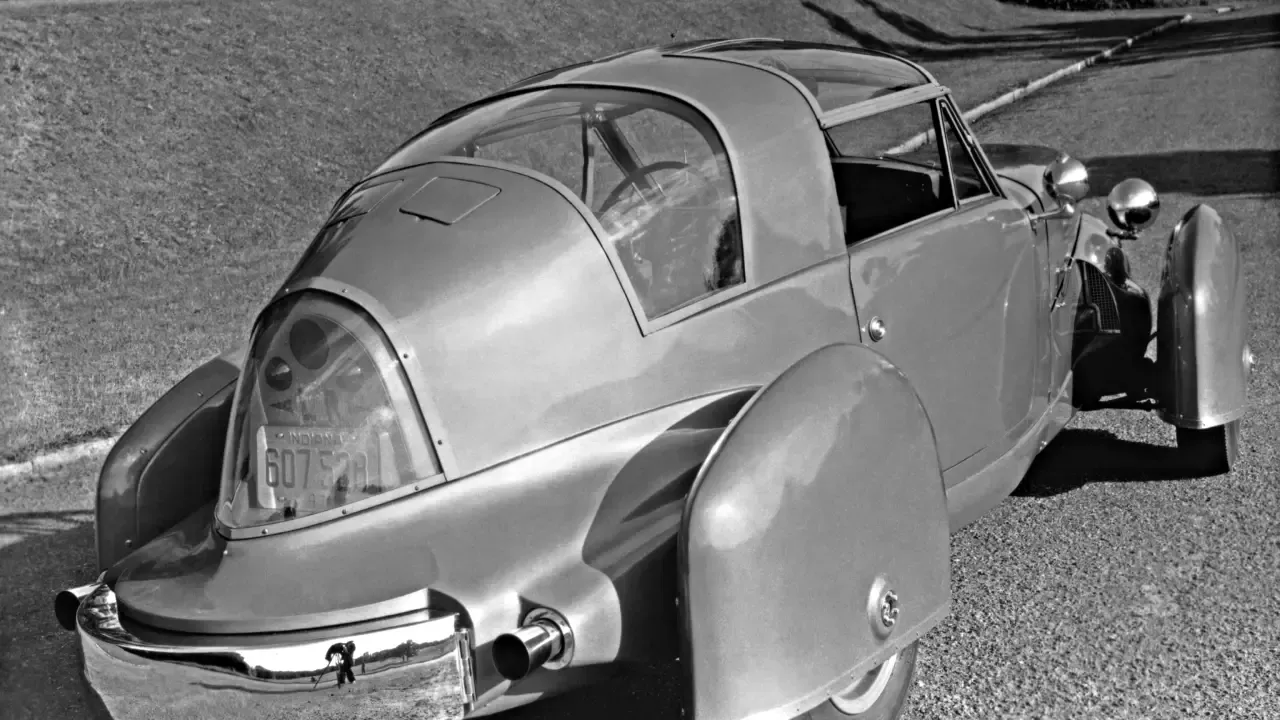
The Tasco Prototype (1948): Where It All Began
The T-top concept traces its roots to the Tasco (The American Sports Car), a 1948 prototype as futuristic as it was strange. Designer Gordon Buehrig fitted the Tasco with separate removable roof panels divided by a solid central bar — a concept that was decades ahead of its time. The Tasco never reached production, but it planted the seed for a design language that would eventually captivate an entire generation of drivers.
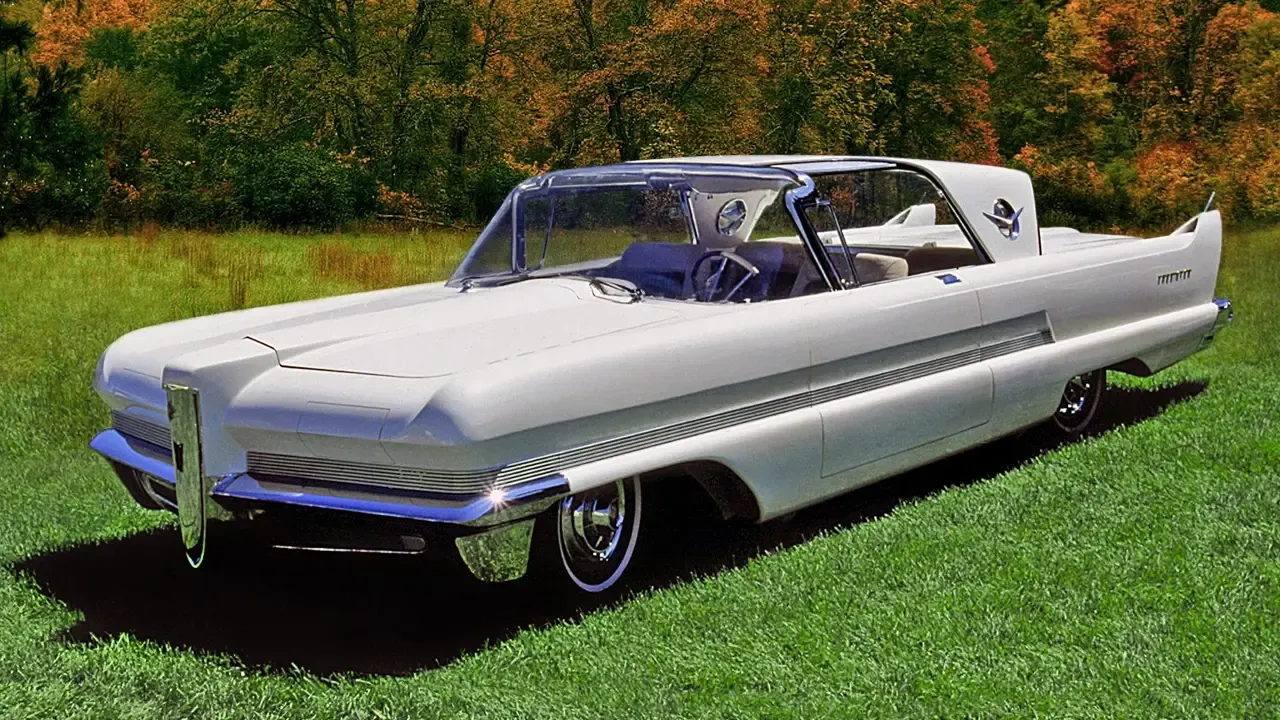
Packard Predictor Concept (1956): A Glimpse of the Future
By the mid-1950s, concept cars had become playgrounds for bold ideas. The Packard Predictor, unveiled in 1956, featured sweeping lines, rich chrome detailing, and a retractable roof that strongly echoed the T-top spirit. While Packard never translated this concept into a production vehicle, it demonstrated that open-air driving could be aspirational and elegant — without committing to a full convertible.
Chevrolet Corvette C3 (1968): The T-Top Goes Mainstream
If the Tasco and Packard Predictor were sparks, the 1968 Chevrolet Corvette C3 was the explosion. Chevrolet’s decision to offer a T-top option on America’s most iconic sports car brought the design to the masses. The C3’s fiberglass body, fluid curves, and removable roof panels made it an instant hit. For many enthusiasts, the Corvette C3 is the car that defines the T-top era — a rolling symbol of power, freedom, and undeniable cool.

Hurst Hatch & Pontiac Firebird Trans Am (1976): Pop Culture Royalty
No car elevated the T-top to pop culture stardom quite like the Pontiac Firebird Trans Am. Hurst Performance first supplied the removable glass roof panels in 1976, cementing the T-top as a muscle car icon. Then came Smokey and the Bandit, and the rest is cinematic history. The Trans Am’s screaming chicken hood decal and gleaming T-top panels became one of the most recognizable automotive images of the decade.
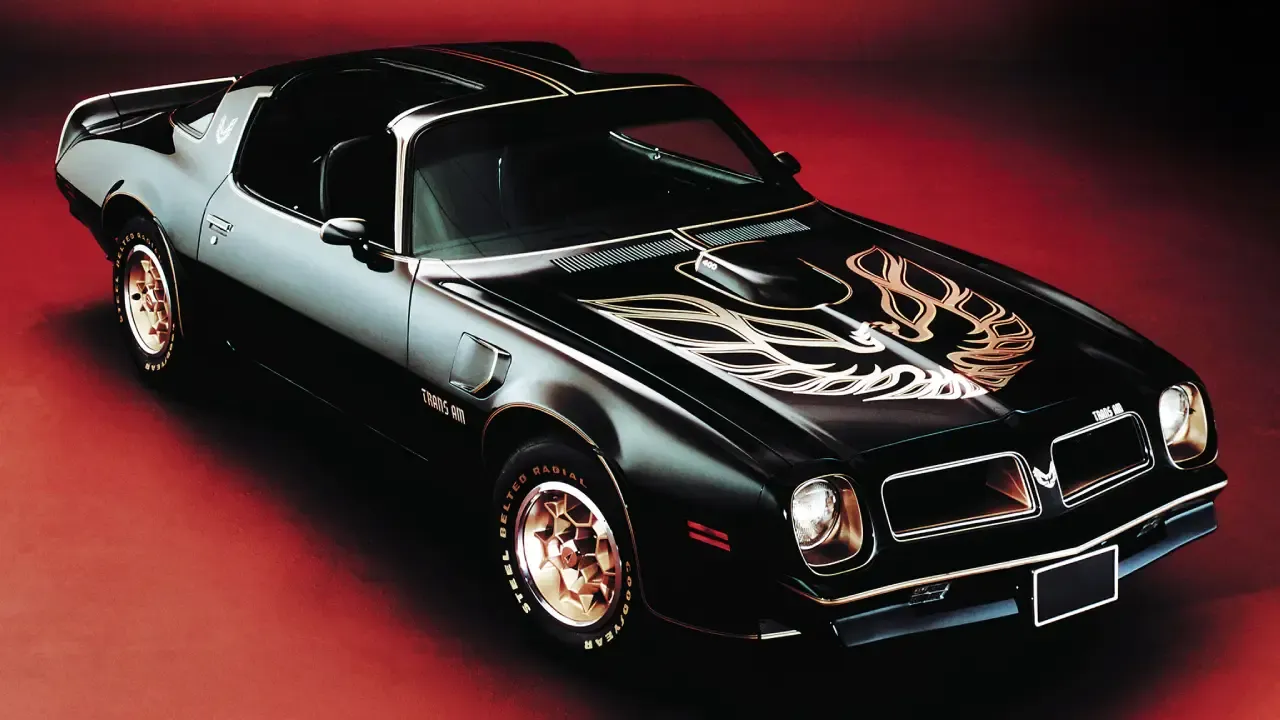 A 1976 Pontiac Firebird Trans Am with Hurst T-top glass panels, the car made famous by Smokey and the Bandit
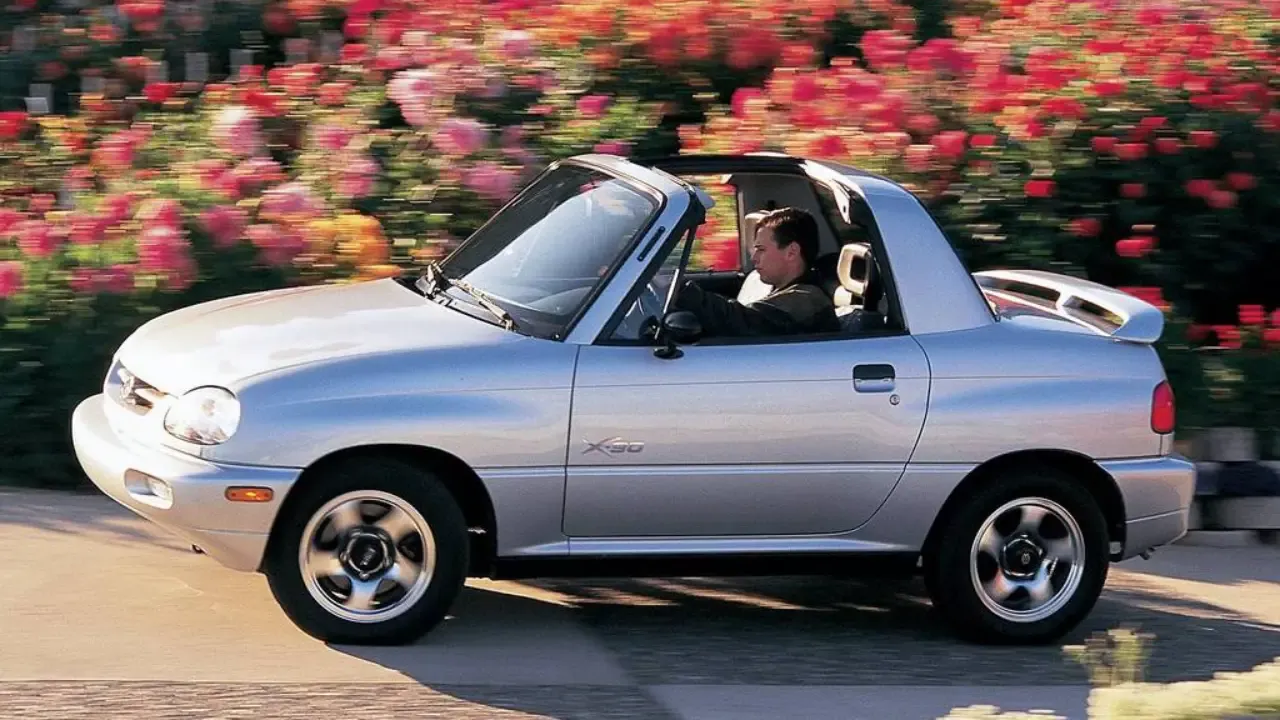
Suzuki X-90 (1996–1998): The Wildcard
Not every T-top car wore the badge of a muscle machine. The quirky little Suzuki X-90 was arguably the strangest vehicle ever to sport removable roof panels. Part SUV, part coupe, part automotive experiment, it offered drivers a taste of open-air fun in a completely unexpected package. Sales were short-lived, but the X-90 proved just how widely the T-top trend had spread — reaching segments no one expected.
Chevrolet Camaro (1970s–1990s): The People’s T-Top
While the Corvette may have introduced the T-top, the Chevrolet Camaro made it a way of life for an entire generation. Throughout the 1970s, 1980s, and into the 1990s, the Camaro was the most popular T-top car on American roads. Chevrolet responded to massive customer demand for a sleek, open-air coupe that didn’t break the bank. The Camaro’s T-top panels became almost as iconic as its hood stripes — a defining feature of the model’s visual identity.
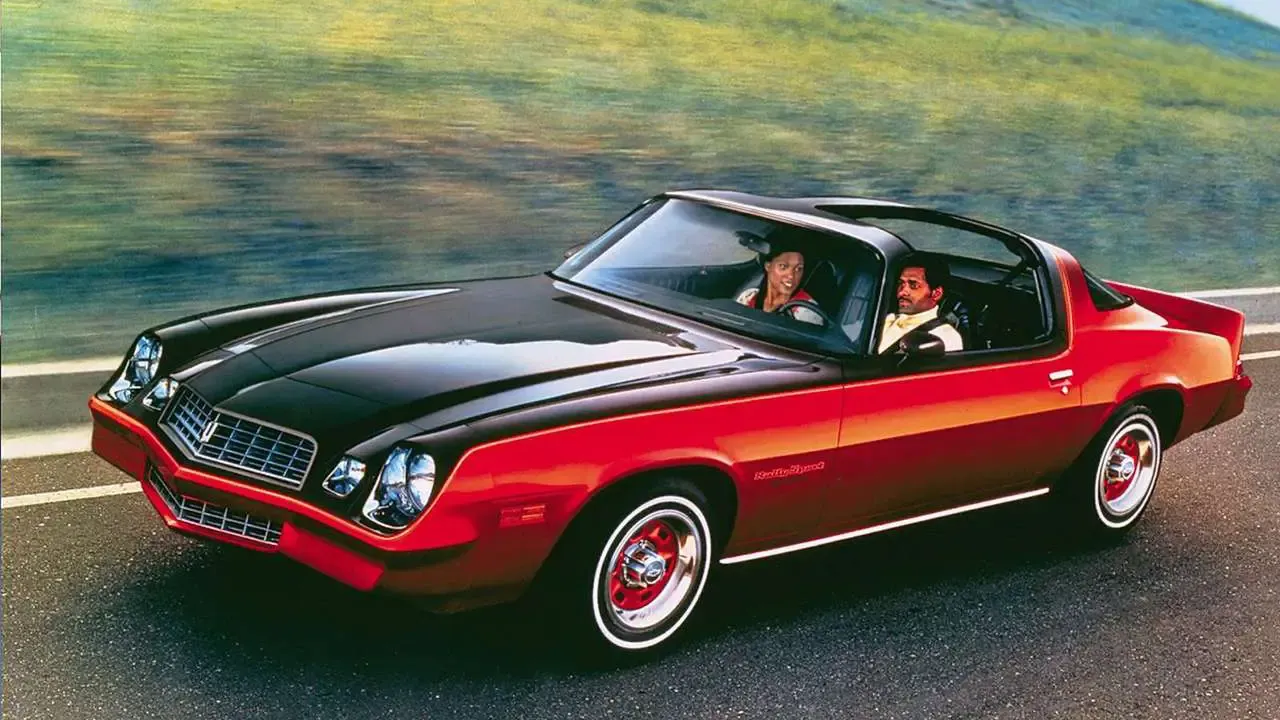 A 1975 Chevrolet Camaro with T-top roof panels, representing the most popular T-top car of its era
Japanese Takes on the T-Top: MR2, NX1600/NX2000, and Beyond (1980s–1990s)
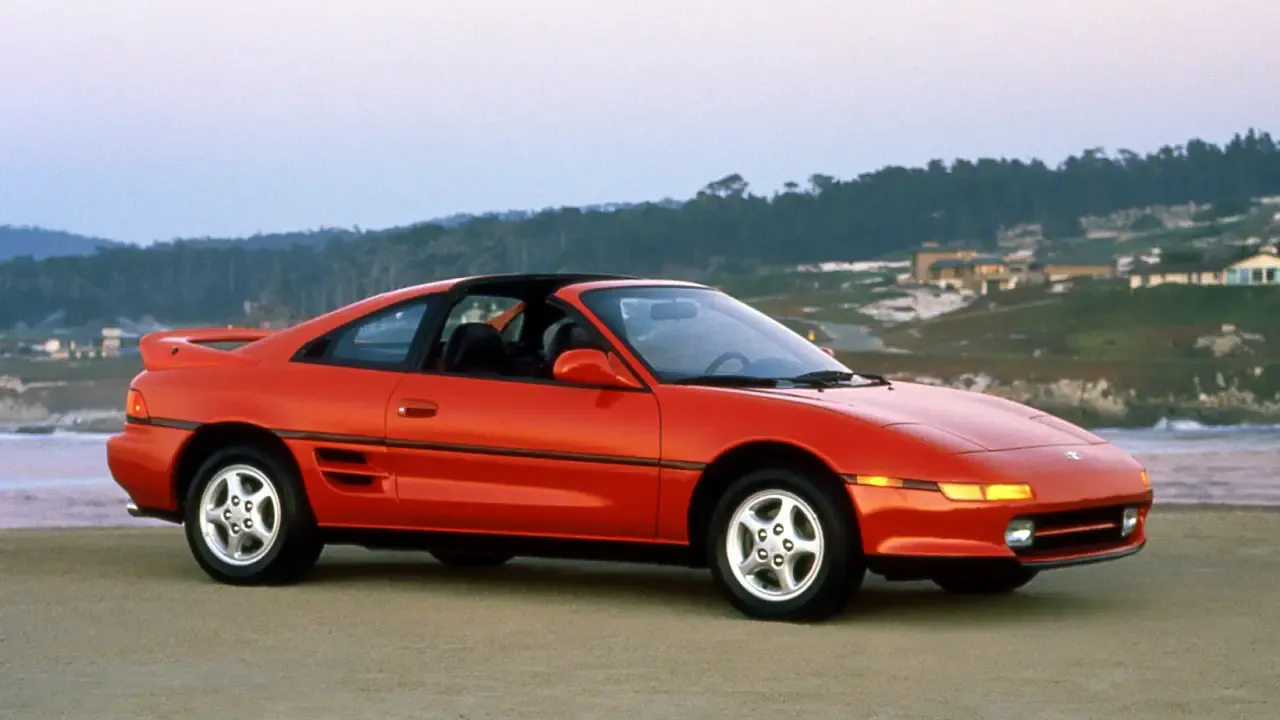
The T-top wasn’t exclusively an American affair. Japanese automakers brought their own interpretation to the format, with models like the Toyota MR2 T-bar and the Nissan NX1600/NX2000 offering affordable, lightweight alternatives. These cars gave younger buyers a way into the T-top lifestyle without the cost or muscle of a Corvette or Camaro. They were nimble, efficient, and genuinely fun — proving that the removable panel concept translated beautifully beyond V8-powered American iron.
The Swan Song: Camaro & Firebird (2002)
Every great era eventually comes to a close. For the T-top, that moment arrived in 2002, when both the Chevrolet Camaro and the Pontiac Firebird were discontinued after that model year. The Firebird went out in style, with WS6 performance packages and aggressive styling that perfectly captured the spirit of late-1990s American performance. The Camaro, too, closed its chapter with the bold fourth-generation body lines and the thunderous LS-series engine.
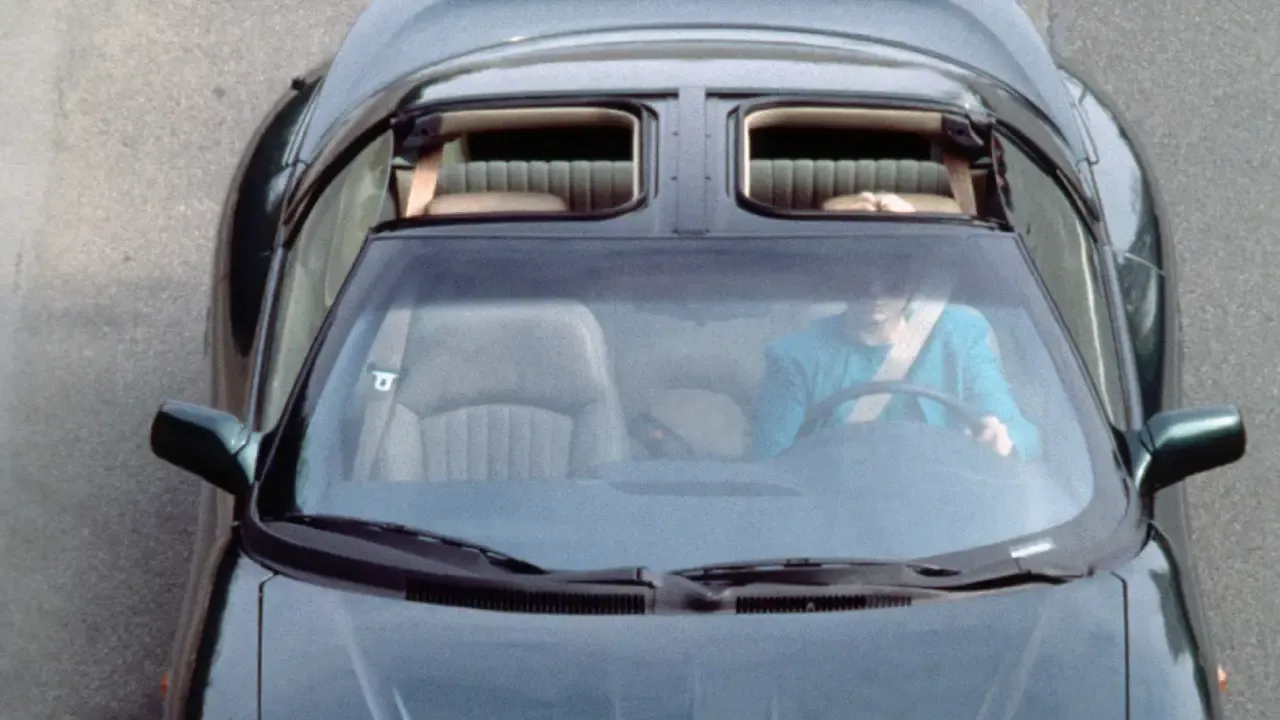 The final generation Pontiac Firebird Trans Am from 2000, one of the last T-top muscle cars before production ended in 2002
Enthusiasts could still order T-tops in those final years, but the market had shifted beneath them. Convertibles, panoramic sunroofs, and evolving safety standards had changed what buyers expected from an open-air car. The era of the removable roof panel quietly came to an end — not with a bang, but with a final, glorious drive into the sunset.
Why the T-Top Still Matters
The T-top represents something that’s genuinely difficult to replicate in modern automotive design: a compromise that felt like a best-of-both-worlds solution. It gave drivers the wind-in-the-hair experience of a convertible while maintaining the structural stiffness and everyday usability of a fixed-roof coupe. No modern sunroof or moonroof quite captures the same drama of physically removing a section of your car’s roof and stowing it in the trunk.
Today, T-top cars command serious attention at auctions and car shows. Well-preserved examples — particularly Corvette C3s, Firebird Trans Ams, and early Camaros — are increasingly collectible. Their cultural footprint, from Hollywood blockbusters to countless album covers and road trips, ensures they remain far more than just a design footnote.
The T-top wasn’t just a feature. It was a feeling. And that feeling, it turns out, is timeless.
What’s your favorite T-top car from this era? Drop your pick in the comments — and if you want more deep dives into automotive history, explore the rest of our car culture archives.
References
- Buehrig, G. (1974). Rolling Sculpture: A Designer and His Work. Haessner Publishing.
- Lamm, M., & Holls, D. (1996). A Century of Automotive Style: 100 Years of American Car Design. Lamm-Morada Publishing.
- Wheelsage Automotive Image Archive. (n.d.). Historical vehicle photography collection. https://wheelsage.org
- Nichols, M. (2002). Corvette: Fifty Years. Publications International.
- Gunnell, J. (Ed.). (2002). Standard Catalog of American Cars 1946–1975. Krause Publications.