
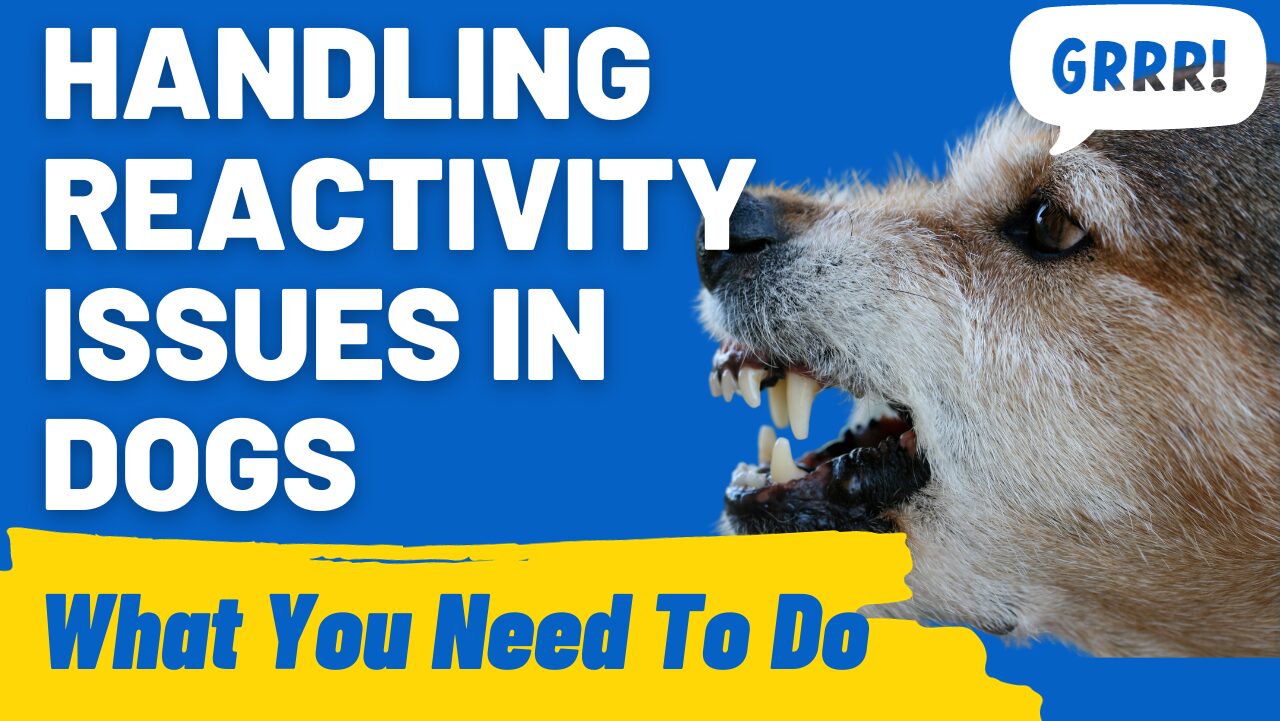
Reactivity in dogs is a common challenge faced by many owners, often manifesting as excessive barking, lunging, or growling at stimuli that other dogs might ignore. While not all reactive dogs are aggressive, reactivity can escalate to aggression if not properly managed. This article will delve into the nature of reactivity, how to identify triggers, strategies for managing your dog’s environment, and effective training techniques to help your canine companion feel more secure and less overwhelmed by common situations.
Reactive dogs experience heightened arousal in response to everyday stimuli, leading to behaviors that can be difficult to control. These dogs are often fearful, and their reactivity can stem from genetic predispositions, insufficient socialization during puppyhood, negative past experiences, or a lack of consistent training. It’s crucial to distinguish reactivity from outright aggression, which is characterized by a determined intent to cause harm. However, any reactive dog can be pushed into aggression, underscoring the importance of attentive training and management.
Identifying Your Dog’s Triggers
The first critical step in addressing reactivity is to pinpoint the specific triggers that elicit your dog’s dramatic responses. Dr. Katherine Houpt, a specialist in behavior medicine, defines a trigger as anything that stimulates a strong reaction. Common triggers include unfamiliar people, other dogs, or even specific characteristics like hats or beards. Some dogs react to these triggers universally, while others might only do so in particular contexts. For instance, “leash reactivity” describes dogs who are fine with other dogs off-leash but become reactive when leashed. Congested areas or nighttime walks can also exacerbate reactive behaviors in some dogs.
Once triggers are identified, the immediate goal is to avoid them as much as possible while implementing a training plan. This prevents the reactive behavior from becoming an ingrained habit. Dr. Houpt advises walking your dog during quieter times and avoiding high-traffic areas like dog parks. “Walk your dog when others aren’t out, and avoid the dog park,” she suggests. This careful management provides your dog with opportunities for calm, positive experiences, reinforcing good behavior and allowing them to relax. It’s also important to remember that not every dog needs to be best friends with every person or animal. The expectation that all dogs should be universally sociable is largely a cultural phenomenon, and respecting a dog’s personal space, much like we would a person’s, is key to their well-being.
Advocating for Your Dog
As a dog owner, you are your dog’s primary advocate. Protecting them from overwhelming situations is paramount. For example, if a stranger approaches your dog too closely or attempts to pet them without your dog’s apparent consent, calmly but firmly communicate that your dog is in training or is shy. This usually suffices to encourage people to respect your dog’s space. Immersing a reactive dog in situations that make them uncomfortable will only increase their fear and potentially worsen their behavior. Instead, focus on creating positive, low-stress outings where you can praise your dog for calm behavior, gradually building their confidence. Remember, your dog does not have to be friends with everyone; their comfort and security are the priority.
Counter-Conditioning for Long-Term Success
While avoidance is a necessary short-term strategy, it’s not a permanent solution. Behavior modification techniques, particularly counter-conditioning, are essential for helping your dog associate triggers with positive experiences, thereby reducing their fear and equipping them with coping mechanisms.
Begin by always carrying high-value treats. As soon as a trigger appears, start rewarding your dog with treats as the stimulus passes or as you move away from it. Initially, maintain a safe distance from the trigger to ensure your dog feels comfortable. For example, if children playing are a trigger, create a significant distance, perhaps an entire soccer field, between your dog and them.
Through consistent and frequent training, your dog will begin to associate the trigger with something pleasant. Ideally, they will eventually see a trigger, like another dog, and look to you expectantly for a treat. Positive reinforcement can also involve toys and praise. Over time, you can gradually decrease the distance to the trigger. Enlisting a friend can be invaluable for controlled practice. If your dog reacts to other dogs, have a friend with a calm dog walk across the street while you use treats to redirect your dog’s attention. If your dog remains focused on you, your friend can move slightly closer. If your dog shows signs of stress, your friend should move further away. This systematic approach can be adapted for triggers like people or children.
It is vital to establish a consistent plan to help your dog view triggers as less intimidating by associating them with rewarding treats, toys, or praise. If you encounter difficulties, consulting a veterinary behaviorist or a certified fear-free dog trainer can provide customized strategies tailored to your dog’s specific needs.
For owners seeking to further understand canine health and behavior, resources like those from the Cornell University College of Veterinary Medicine offer valuable insights. Becoming a member of their Riney Canine Health Center provides access to publications like DogWatch, offering ongoing guidance for maintaining your dog’s well-being. Learning about effective natural treatment for dog false pregnancy or the importance of best parasite treatment for dogs are examples of proactive steps you can take to ensure your dog’s health and happiness.