
Preparing homemade dog food is one of the most rewarding ways to ensure your beloved pets receive wholesome, nutritious meals tailored to their individual needs. Unlike commercial dog food that often contains preservatives and additives, homemade diets allow you to control every ingredient that goes into your dog’s bowl. Whether you’re motivated by health concerns, ingredient quality, or simply the desire to provide your dogs with meals prepared with love and care, making your own dog food can be a transformative experience for both you and your canine companions.
Why Choose Homemade Dog Food?
The decision to prepare homemade dog food offers numerous compelling advantages that extend far beyond convenience. When you cook for your dogs, you have complete transparency about ingredient sourcing, ensuring that every component comes from wholesome, organic, and reputable sources. This level of control is particularly important for pet owners who want to avoid commercial fillers, artificial preservatives, and potentially harmful additives that sometimes find their way into mass-produced kibble.
Homemade dog food also allows you to incorporate greater variety into your dogs’ diets. Rather than feeding the same formula day after day, you can rotate different proteins, vegetables, and grains based on seasonal availability, what your garden produces, or what you already have on hand. This nutritional variety provides your dogs with a broader spectrum of vitamins, minerals, and other essential nutrients. Additionally, many dogs find homemade meals more palatable and satisfying than commercial alternatives, which can be especially beneficial for picky eaters or dogs with sensitive stomachs.

Building the Foundation: Selecting Quality Ingredients
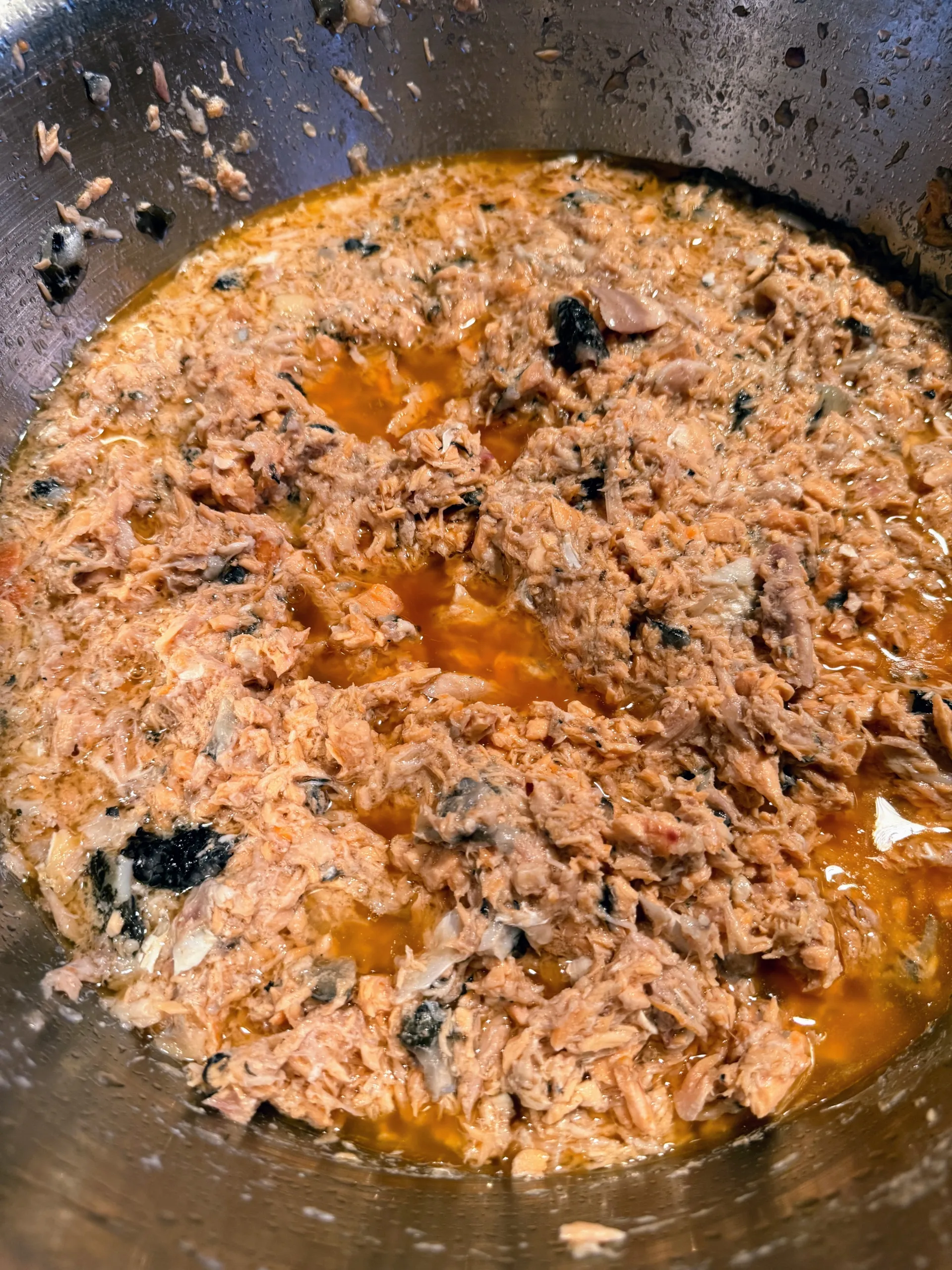
Creating a balanced homemade dog food requires careful attention to ingredient selection. The foundation of any nutritious dog meal should include high-quality protein sources such as salmon, venison, chicken, or beef. When preparing fish like salmon, always take time to carefully remove all bones, as even small fragments can pose a choking hazard or cause internal injury. Processing bones through a food processor can make them safer, but vigilance is essential during preparation.
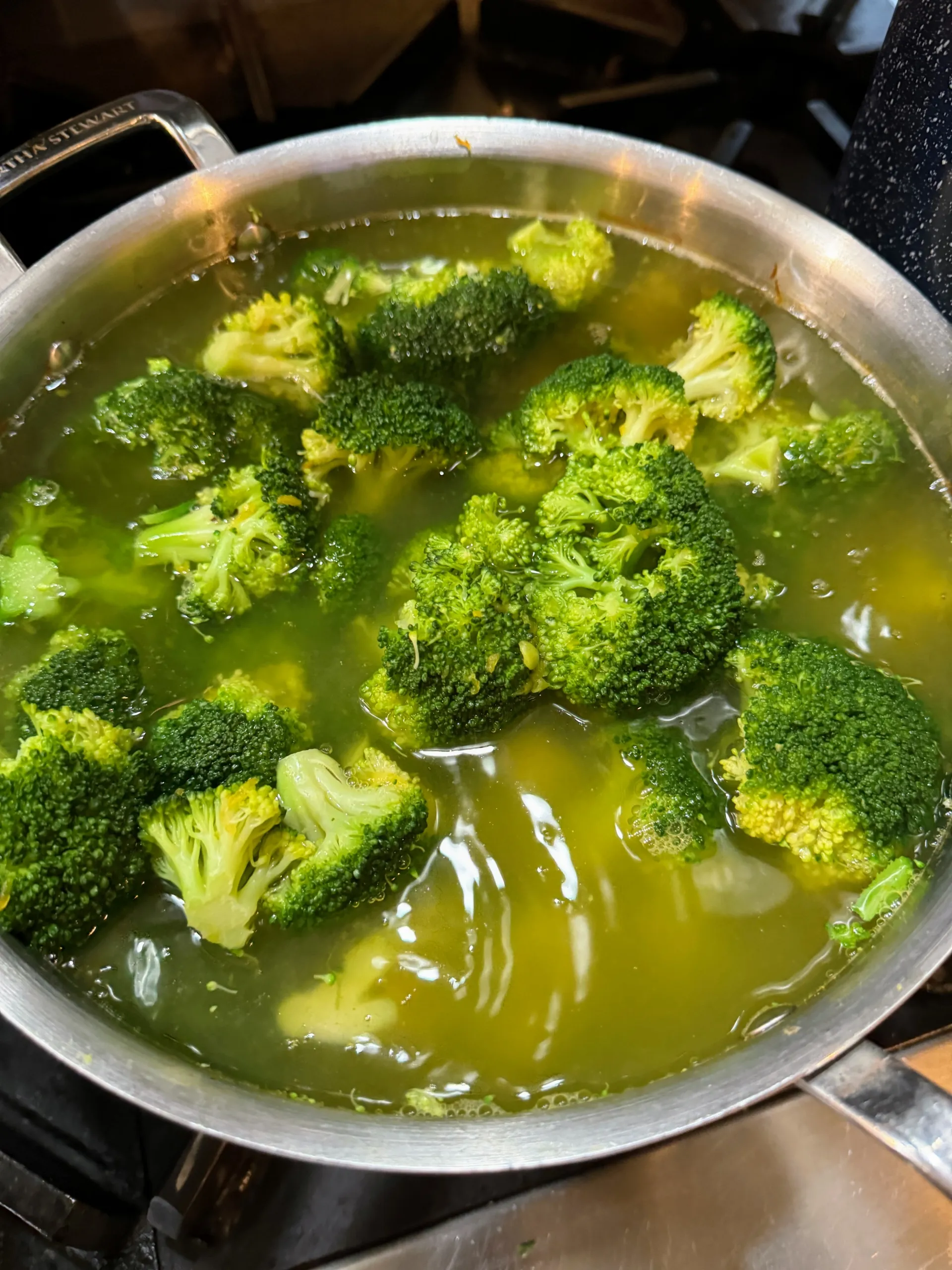
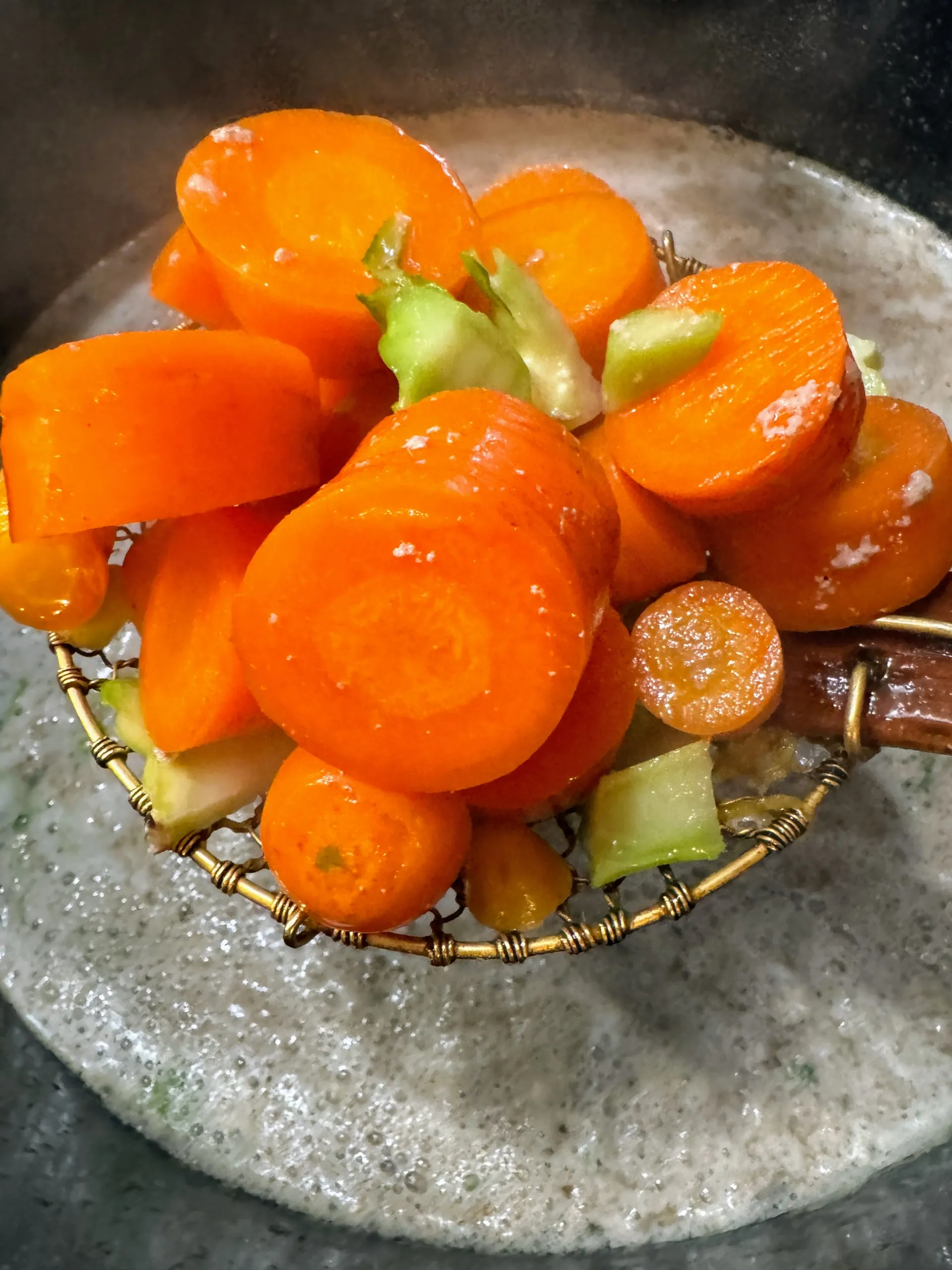
Vegetables form the second pillar of a well-rounded homemade dog diet. Broccoli is an excellent choice—simply cut it into manageable pieces and boil until tender to make it easier for your dogs to digest. Carrots are another nutritional powerhouse that most dogs love; they’re low in calories while being high in fiber and vitamins. The natural crunchiness of raw carrots can even help maintain dental health by providing gentle abrasive action as your dogs chew. Green peas add substantial nutritional value, providing B vitamins like Thiamin, phosphorous, and potassium. These should be cooked briefly—just a couple of minutes—to retain their nutritional integrity and avoid becoming mushy.
Sweet potatoes deserve special mention for their digestive health benefits. Rich in dietary fiber, these root vegetables support healthy digestion while remaining low in fat. They’re also excellent sources of vitamin B6, vitamin C, and manganese, and they contain powerful antioxidants like beta-carotene that protect your dog’s cells from oxidative damage. Including sweet potatoes in your homemade dog food recipes can significantly enhance the overall nutritional profile of each meal.
Incorporating Superfoods and Grains
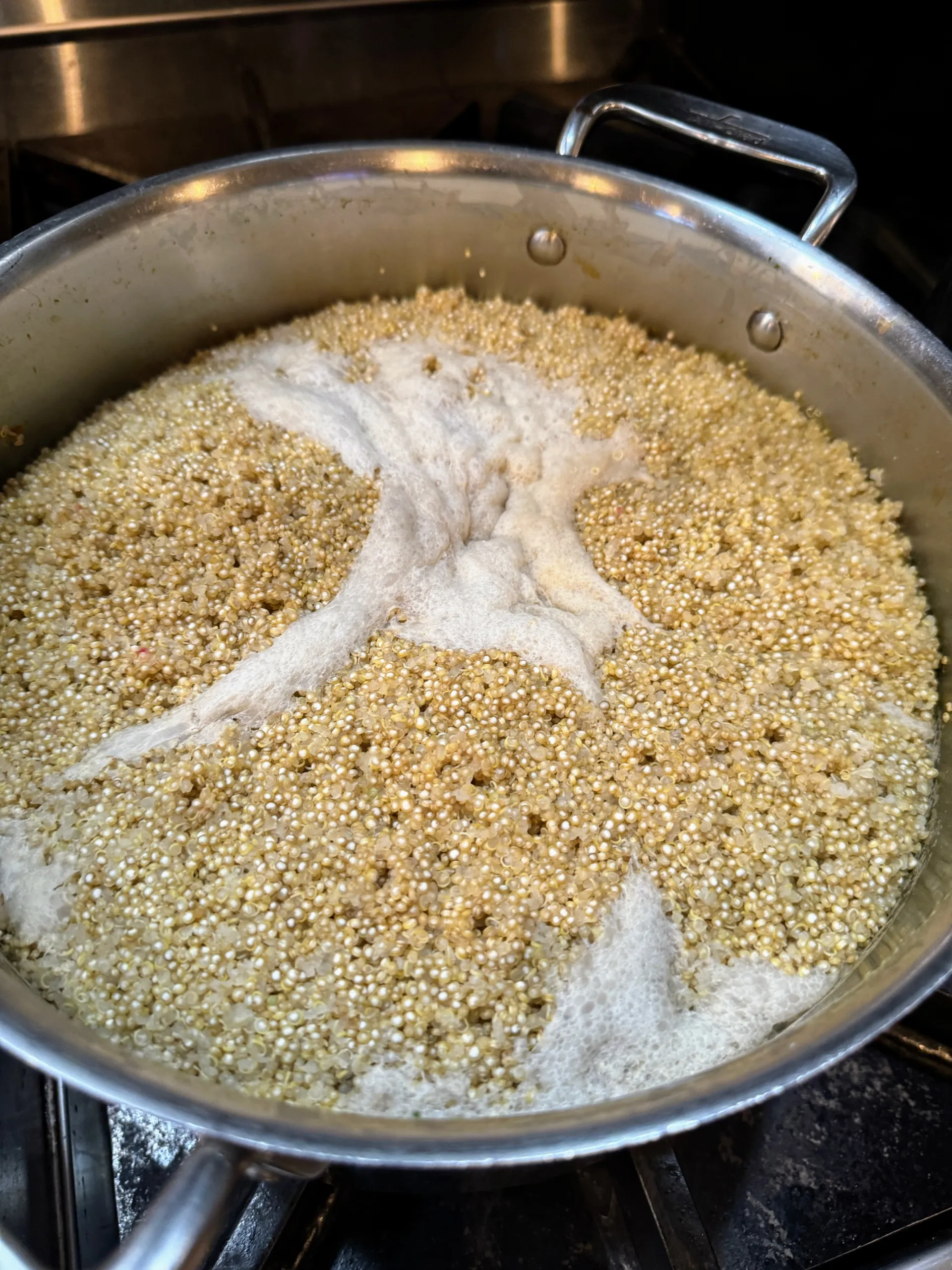
Certain ingredients elevate homemade dog food from simply nutritious to truly exceptional. Quinoa stands out as an amazing gluten-free superfood that contains high levels of essential amino acids your dogs need for muscle development and maintenance. However, because quinoa is a high-protein grain-type food, it should be given in moderation—typically comprising no more than ten to fifteen percent of the total meal composition. When preparing homemade dog diets with quinoa or other grains, careful consideration of overall nutritional balance is crucial.
The variety you introduce through different vegetables and protein sources cannot be overstated. If you have access to a garden, utilizing homegrown vegetables ensures maximum freshness and nutritional content. Pumpkin, for instance, is another beneficial addition that supports digestive health and provides essential vitamins and minerals. By rotating your ingredient selections based on seasonal availability, you create a dynamic diet that keeps your dogs interested while ensuring they receive diverse nutritional benefits.
The Preparation Process: From Raw Ingredients to Finished Meals
Preparing a large batch of homemade dog food requires organization and attention to detail. Start by preparing each ingredient separately, placing prepared items into stainless steel bowls as you complete them. This organized approach ensures that nothing gets overlooked and that you maintain food safety throughout the process. Once all vegetables are cooked, proteins are prepared, and grains are cooked, combine everything in a large mixing vessel and blend thoroughly to ensure even distribution of all ingredients.
The next step—processing the combined food through a food processor—might seem optional, but many dogs prefer their food ground rather than in large chunks. Processing creates a more uniform texture that’s easier for some dogs to digest, particularly as they age or if they have dental sensitivities. This step also helps incorporate all ingredients more completely, ensuring that each serving contains a balanced mix of proteins, vegetables, and grains.
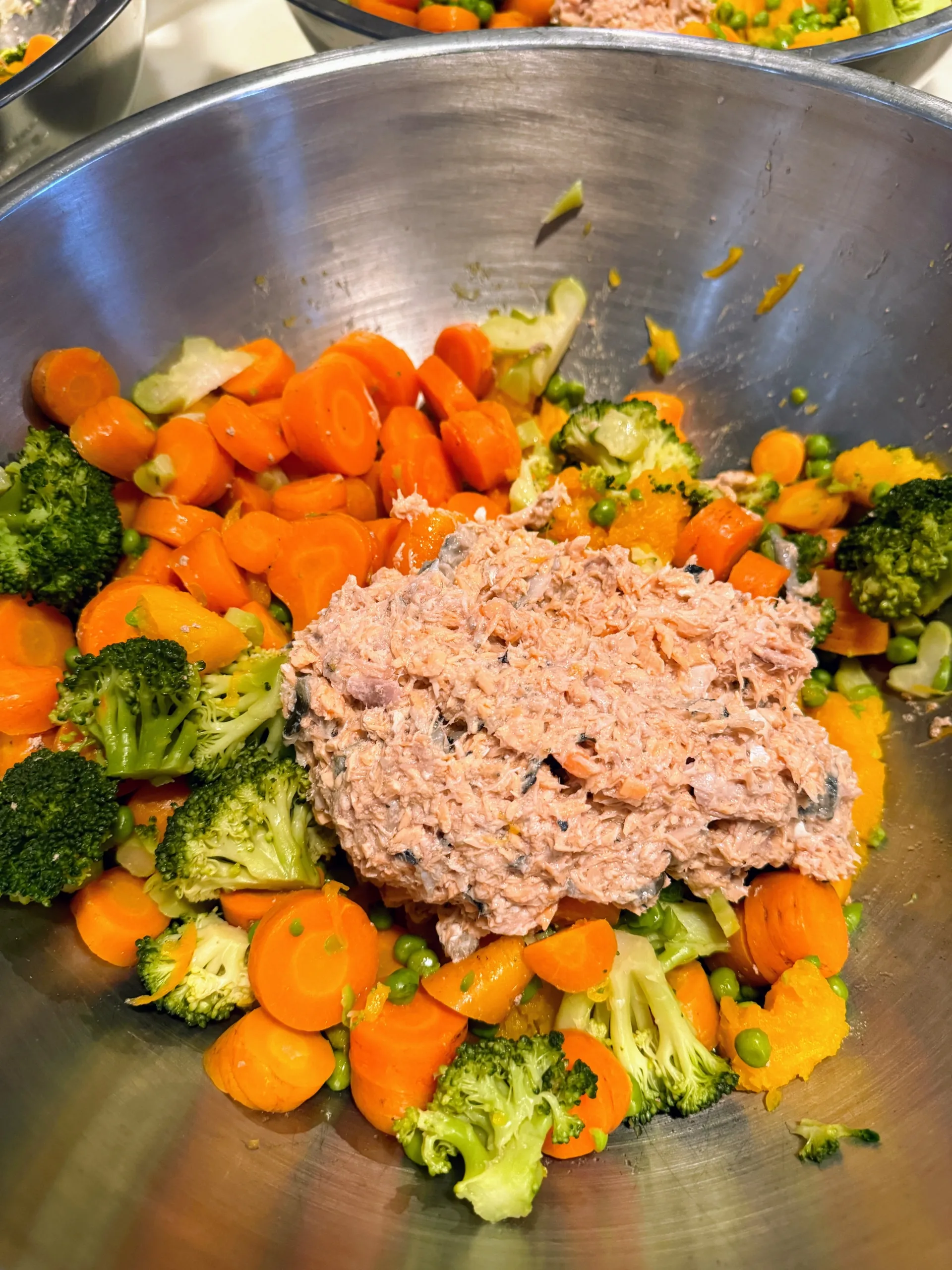 Mixed prepared ingredients in stainless steel bowls during food preparation
Storage and Portioning for Convenience
Proper portioning and storage are essential for maintaining the convenience and food safety of homemade dog food. Using quart-sized containers allows for efficient portion control—each container represents one meal or a couple of meals depending on your dogs’ sizes. A production-line approach to filling containers makes the process quick and efficient. Fill each container up to the first line to allow room for expansion if you plan to freeze the food. Label each container clearly with the date prepared and the ingredients included, creating an easy reference system for tracking freshness.
Refrigerated homemade dog food typically remains fresh for three to four days, while frozen portions can be stored for two to three months. This allows you to prepare large batches every few weeks and always have fresh, wholesome meals available for your dogs. The effort invested in batch preparation pays dividends in the consistency and quality of nutrition your dogs receive throughout the month.
Enhancing Meals with Supplementary Additions
While the base recipe provides substantial nutrition, certain additions can enhance the complete nutritional profile of homemade dog food. Homemade yogurt, for instance, provides probiotics that support digestive health. The whey—the liquid remaining after milk has been curdled and strained—is particularly nutritious and can be used to moisten kibble or other dry components of the meal. A small amount of whey added to each bowl helps soften hard kibble and introduces beneficial nutrients.
While many dogs are lactose intolerant, yogurt is considerably easier to digest than plain milk, and most dogs find it delicious. A spoonful added to each meal provides digestive support without causing the gastrointestinal upset that milk might trigger. Additionally, appropriate supplements recommended by your veterinarian—such as omega-3 fatty acids, glucosamine for joint health, or specific vitamins—can be mixed into homemade dog food to address your individual dogs’ health needs.
Serving and Feeding Schedules
The way you serve homemade dog food matters for your dogs’ digestive health and enjoyment. Most dogs thrive on two meals daily—one in the morning and one in the evening. Splitting mealtimes distributes nutrients more evenly throughout the day and supports better digestion than providing a single large meal. Many dogs experience improved energy levels and more consistent bowel movements when fed on this twice-daily schedule.
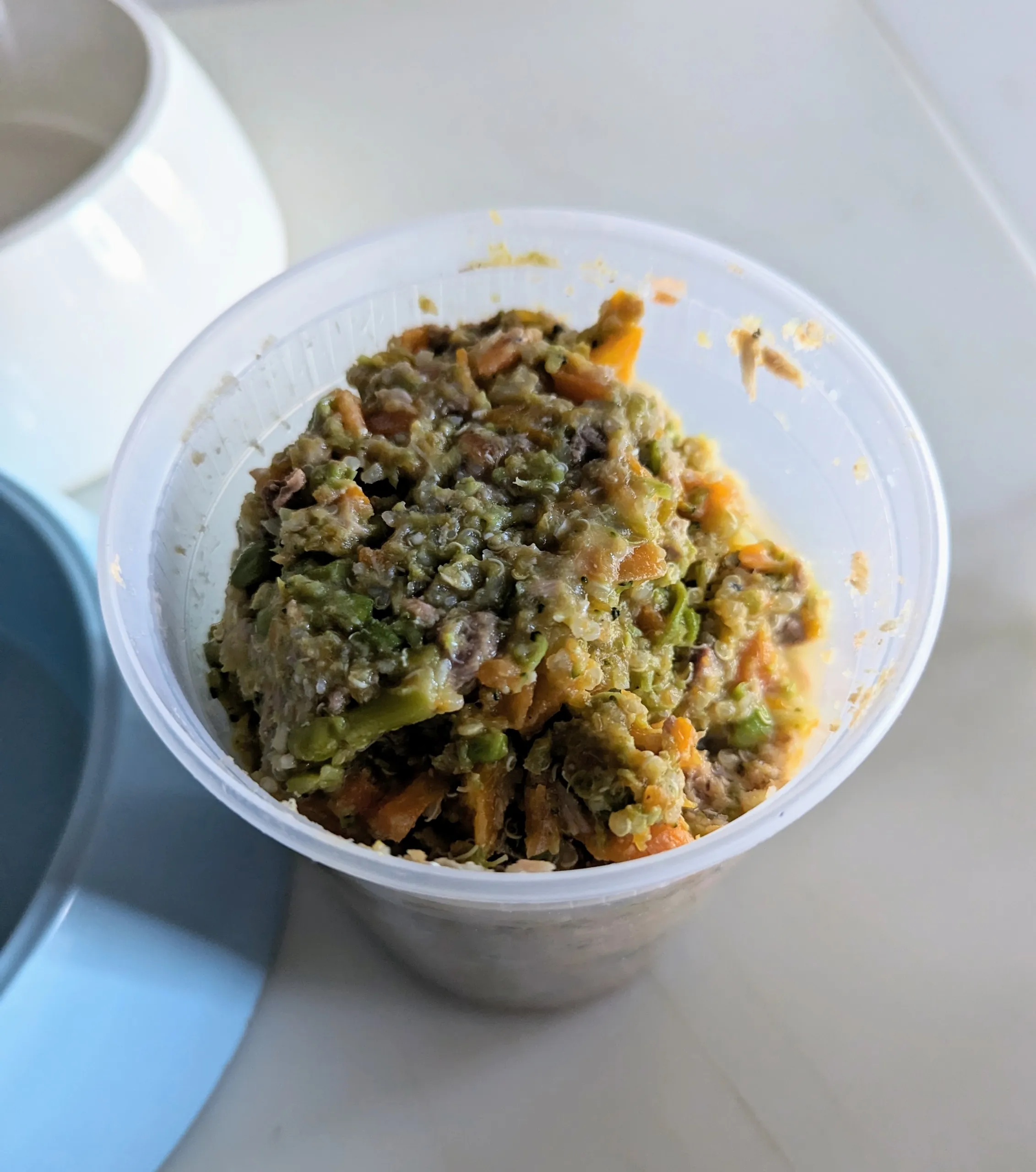 Homemade dog food in containers ready for serving
When serving, you can combine homemade cooked food with high-quality kibble to create a balanced meal. Start with a scoop of premium kibble as the base, then add homemade food on top. Some dogs benefit from the addition of whey or yogurt to moisten the kibble, making it more palatable and easier to consume. Mix all components thoroughly, ensuring that any added supplements are distributed evenly throughout the bowl so that each bite contains a balanced mix of nutrients.
Important Considerations and Veterinary Consultation
Before transitioning your dogs to a homemade diet, consulting with your veterinarian is essential. They can assess your dogs’ individual health status, nutritional requirements, and any specific concerns that might affect dietary choices. Some dogs have particular health conditions requiring special nutritional considerations, and your veterinarian can help ensure your homemade recipes meet these needs appropriately.
Ensure that your homemade dog food recipes are well-balanced and researched thoroughly. Different life stages—puppies, adult dogs, and senior dogs—have varying nutritional requirements. Dogs with specific health conditions may need modified recipes, and some dogs may require different caloric density depending on their activity levels and metabolism. Taking time to research and potentially consult with a veterinary nutritionist ensures that your homemade diet truly supports your dogs’ long-term health and wellbeing.
Conclusion
Preparing homemade dog food is a personal choice that reflects your commitment to your dogs’ health and happiness. When you have the time and genuine interest in providing this level of care, the rewards are substantial—not just for your dogs’ physical health, but for the bond you strengthen through the daily ritual of preparing meals with love and attention. Your dogs will surely appreciate every delicious, nutritious meal you create for them, and you’ll have the satisfaction of knowing exactly what they’re consuming with each bite.