
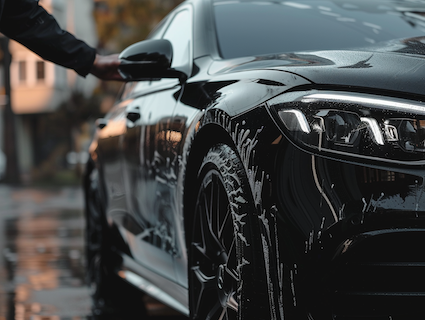
Owning a luxury car is a significant investment, often second only to a home. While the allure of performance, style, and advanced features is undeniable, the financial commitment extends beyond the initial purchase. For luxury vehicle owners, understanding and managing maintenance costs is crucial, as these expenses can be considerably higher compared to non-luxury brands. This article delves into the true cost of luxury car ownership, exploring which brands and models are most expensive to maintain, why European cars often top the list, and practical strategies for keeping these costs manageable.
The Financial Landscape of Luxury Car Ownership
The financial commitment to a car goes beyond the sticker price. In the United States, individuals typically allocate about 5% of their income to car purchases and another 5% to ongoing expenses like maintenance and insurance. However, for luxury car owners, these figures can escalate dramatically due to several factors. The premium associated with luxury vehicles often translates to higher purchase prices, more expensive replacement parts, and the need for specialized labor, all of which contribute to a more substantial maintenance bill over the vehicle’s lifespan.
Identifying the Costliest Luxury Brands for Maintenance
When considering long-term ownership costs, certain luxury brands stand out for their higher maintenance expenditures. German manufacturers, in particular, frequently appear at the top of lists detailing the most expensive cars to maintain. Based on average maintenance costs projected over a 10-year period, brands like BMW and Mercedes-Benz incur the highest expenses.
Here’s a breakdown of average 10-year maintenance costs for several luxury brands:
- BMW: Approximately $17,800
- Mercedes-Benz: Approximately $12,900
- Cadillac: Approximately $12,500
- Volvo: Approximately $12,500
- Audi: Approximately $12,400
- Volkswagen: Approximately $7,800
To put these figures into perspective, a non-luxury brand like Toyota, known for its reliability and cost-effective maintenance, has a significantly lower projected 10-year maintenance cost of around $5,500. This comparison highlights the substantial financial difference in maintaining a luxury vehicle versus a mainstream one.
Maintenance Cost Evolution Over a Vehicle’s Lifespan
While luxury cars are designed with high performance and premium features, their maintenance costs are not static; they evolve as the vehicle ages. In the initial year of ownership, maintenance expenses are typically modest, often falling under $500. However, as the vehicle approaches its first decade, these costs begin to climb noticeably, frequently surpassing $2,000 annually. A significant increase in maintenance expenditure often occurs between years 11 and 12, after which the costs tend to stabilize. This trend underscores the importance of budgeting for increasing maintenance needs as a luxury car matures.
Specific Models: High and Low Maintenance Costs
Examining individual models provides a more granular view of luxury car maintenance expenses. For instance, the BMW 328i is often cited as a model with a high 10-year maintenance cost, estimated at around $15,600. Other luxury models with notable maintenance costs over a decade include:
- Mercedes-Benz E350: Approximately $14,700
- Audi A4 Quattro: Approximately $12,800
- Volkswagen Passat: Approximately $11,600
- Mini Cooper: Approximately $11,200
Conversely, among near-luxury and luxury brands, the Volkswagen Jetta offers a more affordable maintenance profile, with an estimated 10-year cost of $6,800, making it one of the least expensive options in this segment.
Decoding the Higher Costs of European Cars
The prevalence of European brands like BMW, Mercedes-Benz, and Audi at the higher end of maintenance cost lists prompts a closer look at the underlying reasons. Several factors contribute to the elevated expenses associated with these vehicles:
- Specialized Engineering: Many European luxury cars feature unique components and intricate designs that require brand-specific tools, diagnostic equipment, and highly trained technicians for proper servicing. This specialization can limit repair options and drive up labor costs.
- Expensive Parts: Original Equipment Manufacturer (OEM) parts for European luxury vehicles are often significantly more expensive than those for comparable American or Asian models. The cost of these specialized components directly impacts repair bills.
- Complex Technology: The integration of advanced technologies, such as adaptive suspension systems, sophisticated engine management, and elaborate infotainment units, adds layers of complexity to repairs. Troubleshooting and fixing these systems demand specialized knowledge and can be time-consuming and costly.
- Dealership and Specialist Repairs: Due to the complex nature and specialized requirements of European luxury cars, owners are often directed to authorized dealerships or highly specialized independent repair shops. These facilities typically operate with higher overhead costs and charge premium rates for their services.
Busting Luxury Car Maintenance Myths
Several misconceptions surround the maintenance of luxury vehicles. Understanding the facts can help owners make more informed decisions and potentially save money.
- Myth: Dealership Service is Mandatory.
Fact: Independent European car specialists, often certified and experienced with these brands, can provide equivalent high-quality service at a more competitive price than dealerships. - Myth: Premium Fuel Enhances Performance Universally.
Fact: Unless a vehicle’s manufacturer explicitly recommends or requires premium fuel for optimal performance and engine health, using it in a car designed for regular unleaded gasoline will not yield significant performance benefits and is an unnecessary expense. - Myth: Luxury Cars Have Shorter Lifespans.
Fact: With consistent and proper maintenance following the manufacturer’s schedule, a luxury vehicle can achieve a lifespan comparable to that of any other well-maintained car, regardless of brand. Neglecting maintenance is the primary factor in premature vehicle failure.
Strategies for Cost-Effective Luxury Car Maintenance
Owning a luxury car doesn’t have to mean an exorbitant maintenance budget. Proactive measures and smart choices can help manage these costs:
- Adhere to the Maintenance Schedule: Regularly scheduled services, including oil changes, brake inspections, tire rotations, and fluid checks, are critical. These preventative measures can identify minor issues before they escalate into major, costly repairs. For example, consistent brake inspections can save you from costly rotor damage.
- Utilize Independent Repair Shops: Seek out reputable, certified independent mechanics who specialize in European or luxury vehicles. They often offer the same expertise as dealerships but at a lower labor rate.
- Consider Aftermarket or OEM Parts: While OEM parts guarantee exact compatibility, high-quality aftermarket parts or even carefully selected OEM parts from alternative suppliers can offer significant cost savings without compromising quality.
- Adopt a Careful Driving Style: Aggressive driving, including rapid acceleration and hard braking, puts excessive strain on the engine, transmission, brakes, and tires, leading to faster wear and tear. Driving smoothly can extend the life of these components.
Beyond Maintenance: The Hidden Costs of Luxury Ownership
Maintenance is just one piece of the luxury car ownership puzzle. Several other less obvious costs can add up:
- Depreciation: Luxury vehicles typically experience faster and more significant depreciation than their non-luxury counterparts, meaning they lose value more quickly.
- Insurance: Due to the higher cost of replacement parts and the premium nature of the vehicles, insurance premiums for luxury cars are generally higher.
- Unplanned Repairs: Beyond routine maintenance, unexpected major repairs, such as engine failures or transmission issues, can result in bills running into thousands of dollars.
Luxury Cars with Strong Resale Value
While depreciation is a factor, some luxury cars manage to retain their value better than others, making them a more financially sound long-term investment. Brands and models known for their durability and desirability in the pre-owned market include:
- Porsche 911: Consistently recognized for its exceptional resale value, making it a sought-after model even after several years.
- Lexus RX: This luxury SUV is praised for its reliability and often incurs lower-than-average maintenance costs, contributing to its strong resale performance.
- Tesla Model S: While all electric vehicles experience some depreciation, Tesla’s strong brand reputation and demand help its models, like the Model S, maintain a significant portion of their value.
Electric vs. Gas-Powered Luxury Car Maintenance
The automotive industry’s shift towards electrification brings a new dynamic to luxury car maintenance. Electric Vehicles (EVs) offer potential savings in some areas but introduce new considerations:
Electric Vehicles (EVs)
- Pros: EVs have fewer moving parts than internal combustion engine (ICE) vehicles, eliminating the need for oil changes and reducing wear on components like brakes due to regenerative braking.
- Cons: The most significant potential cost is battery replacement, which can range from $10,000 to over $20,000 for some luxury models, although battery lifespans are steadily improving.
Gas-Powered Luxury Cars
- Pros: Servicing for traditional gasoline vehicles is widely available, and parts are generally more accessible.
- Cons: They require more frequent routine maintenance, such as oil changes, filter replacements, and coolant flushes, contributing to ongoing costs.
The Impact of Driving Style on Maintenance
How you drive has a more profound impact on maintenance costs than many realize. Aggressive driving habits accelerate wear and tear significantly:
- Frequent Acceleration and Hard Braking: This behavior rapidly depletes brake pads and rotors and puts extra stress on the engine and transmission.
- Short Trips: Constantly making short journeys prevents the engine from reaching its optimal operating temperature. This can lead to moisture buildup in the oil and exhaust systems, increasing internal wear and corrosion.
- Ignoring Minor Issues: A lit check engine light or a subtle strange noise might seem minor, but neglecting these signals can allow small problems to develop into major, expensive repairs.
Key Indicators Your Luxury Car Needs Maintenance
Being vigilant about your vehicle’s condition can help you address maintenance needs before they become critical failures. Watch out for these common warning signs:
- Unusual Noises: Grinding, squealing, knocking, or clunking sounds often indicate a problem with the brakes, suspension, engine, or exhaust system.
- Dashboard Warning Lights: Never ignore persistent warning lights, such as the check engine light, oil pressure light, or ABS warning. These are direct indicators of a system malfunction.
- Rough Shifting: A jerky transmission, delayed engagement, or difficulty shifting gears can signal low transmission fluid, internal wear, or other serious transmission issues.
- Decreased Fuel Efficiency: A sudden drop in miles per gallon (MPG) can be a symptom of various underlying problems, including clogged fuel injectors, faulty spark plugs, or sensor issues, all of which require attention.
New vs. Used Luxury Car Purchase Decision
The decision to buy a new or used luxury car involves weighing different advantages and disadvantages:
- New Luxury Cars: Offer the latest technology, full manufacturer warranties, and typically require minimal immediate maintenance. However, they are subject to rapid depreciation from the moment they are driven off the lot.
- Used Luxury Cars: Present a lower upfront cost, making luxury more accessible. The steepest depreciation has already occurred. The trade-off is the potential for higher maintenance and repair costs, especially if the vehicle has not been meticulously maintained. Opting for a certified pre-owned (CPO) vehicle can mitigate some of these risks, as CPO models usually come with extended warranties and have undergone rigorous inspections. Always review detailed maintenance records when purchasing a used luxury car.
The Cornerstone of Affordable Luxury Car Ownership: Regular Maintenance
Regardless of the specific luxury marque or model, consistent and timely maintenance is the single most crucial factor for ensuring longevity, performance, and reliability. Skipping scheduled service appointments is a false economy, often leading to far more expensive repairs down the line. By prioritizing preventative care and being aware of the potential costs and strategies discussed, luxury car owners can better manage their automotive expenses and enjoy the driving experience for years to come.
If you’re seeking expert care for your luxury vehicle, consider specialized independent repair shops that can offer quality service and personalized attention.