
Oldies music remains one of the most enduring pillars of American cultural history, and few artists represent that golden era more completely than Frank Sinatra. Often remembered by casual listeners as a legendary pop vocalist, Sinatra also earned deep respect from jazz musicians, arrangers, and critics for the sophistication of his phrasing, emotional timing, and interpretive skill. His recordings transformed the way vocal music was performed and understood throughout the 20th century.
Across more than six decades, Sinatra released over 60 albums that helped define the sound of classic American music before 1975. From intimate late-night ballads to energetic swing arrangements backed by big bands, his work captured the emotional depth and elegance that continue to attract fans of oldies music around the world. Albums such as In the Wee Small Hours, Songs for Swingin’ Lovers!, and Only the Lonely are not simply nostalgic recordings — they are milestones in the evolution of vocal jazz and the Great American Songbook.
For international listeners exploring the roots of classic American culture through music, Sinatra’s catalog offers a rich introduction to the artistry, romance, melancholy, and sophistication of mid-century America.
Why Frank Sinatra Became an Icon of Oldies Music
Frank Sinatra’s influence reached far beyond commercial popularity. His greatest strength was his ability to interpret lyrics with remarkable emotional precision. Instead of simply singing melodies, he treated every song as a dramatic story.
During the 1940s and 1950s, American popular music was undergoing enormous change. Swing bands were evolving, jazz was becoming more sophisticated, and recording technology allowed albums to become artistic statements rather than collections of singles. Sinatra stood at the center of that transformation.
His collaborations with arrangers such as Nelson Riddle, Billy May, Quincy Jones, and Count Basie created some of the most respected recordings in vocal jazz history.

These partnerships also helped establish the sound that many listeners now associate with the golden age of American music: lush orchestration, sophisticated harmonies, elegant songwriting, and emotionally direct performances.
In the Wee Small Hours (1955): The Birth of the Concept Album
Released in 1955, In the Wee Small Hours is widely regarded as one of the most influential albums ever recorded in oldies music and vocal jazz.
Rather than assembling unrelated songs, Sinatra and Nelson Riddle created a unified emotional experience centered around loneliness, heartbreak, and reflection. This approach helped pioneer the “concept album” format long before it became common in rock and pop music.
The atmosphere throughout the album feels deeply personal. Sparse orchestral arrangements leave space for Sinatra’s voice to breathe naturally, allowing every pause and phrase to carry emotional weight.
Key songs include:
- “In the Wee Small Hours of the Morning”
- “Mood Indigo”
- “Deep in a Dream”
The album emerged during a difficult period in Sinatra’s personal life, and that vulnerability can be heard throughout the recording. The result is an intimate listening experience that still resonates with modern audiences decades later.
For many historians of American music, this album represents the moment when popular singing became serious artistic storytelling.
Songs for Swingin’ Lovers! (1956): Sinatra at His Most Energetic
If In the Wee Small Hours explored emotional solitude, Songs for Swingin’ Lovers! showcased Sinatra’s confidence, charm, and rhythmic brilliance.
Nelson Riddle’s arrangements are bright, swinging, and energetic. Sinatra sounds relaxed and completely synchronized with the orchestra, delivering lyrics with effortless sophistication.
One of the album’s defining moments is “I’ve Got You Under My Skin,” which features dramatic orchestral tension followed by Sinatra’s perfectly timed vocal entrance. The recording became one of the signature performances of his entire career.
Other highlights include:
- “You Make Me Feel So Young”
- “Swingin’ Down the Lane”
The album remains a masterclass in vocal phrasing and swing rhythm. It also demonstrates how Capitol Records perfected the balance between orchestral richness and vocal clarity during the golden era of American recording.
Come Fly With Me (1958): Music as International Adventure
By the late 1950s, Sinatra had become more than a singer — he had become a global cultural symbol.
Come Fly With Me reflected America’s growing fascination with international travel during the postwar economic boom. Arranged by Billy May, the album takes listeners on a musical journey through different countries and cities.
The title track quickly became one of Sinatra’s most recognizable songs. Tracks like “On the Road to Mandalay” and “London by Night” added cinematic atmosphere while maintaining the polished style that defined Sinatra’s sound.
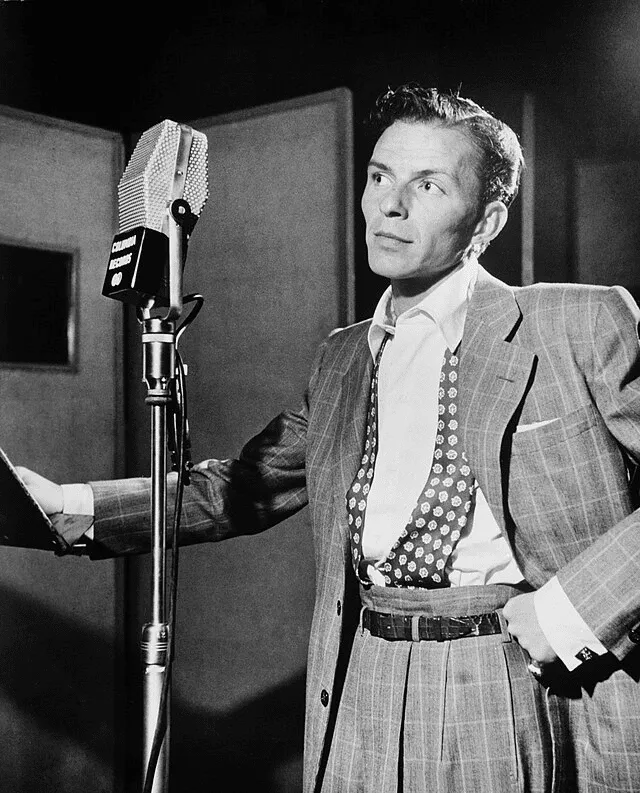
The album blended sophisticated brass arrangements with playful storytelling, creating an accessible and highly entertaining listening experience. It also reflected the optimism and cosmopolitan identity of postwar America.
Only the Lonely (1958): Emotional Depth in Vocal Jazz
Few albums in the history of oldies music explore heartbreak as powerfully as Frank Sinatra Sings for Only the Lonely.
Nelson Riddle surrounded Sinatra’s voice with lush string arrangements and muted brass sections that created a cinematic atmosphere filled with melancholy and reflection.
Songs such as “Angel Eyes” and “Willow Weep for Me” reveal Sinatra at his most emotionally exposed. Every breath, silence, and phrase feels carefully controlled.
Unlike many popular singers of the era, Sinatra understood restraint. He rarely over-sang emotional material. Instead, he allowed subtle phrasing and timing to communicate vulnerability.
Music historians frequently describe this album as the definitive “torch album” — a style of emotionally intense popular music centered around lost love and loneliness.
Sinatra at the Sands (1966): The Energy of Live Performance
Recorded in Las Vegas during the height of the Rat Pack era, Sinatra at the Sands captured Sinatra in his natural environment: performing live before an audience.
Backed by the Count Basie Orchestra and arranged by Quincy Jones, the album demonstrated Sinatra’s extraordinary command as a live entertainer.
Unlike the introspective mood of his studio recordings, this performance feels dynamic, humorous, and spontaneous. Sinatra jokes with the audience, interacts naturally with the orchestra, and delivers swinging performances with remarkable confidence.
The album also preserved the atmosphere of 1960s Las Vegas entertainment culture — a world of casinos, big bands, tuxedos, and late-night performances that became closely associated with classic American show business.
Collaborations That Changed American Music
Frank Sinatra’s greatest albums were built on creative partnerships that reshaped vocal jazz and popular orchestration.
Nelson Riddle and the Capitol Years
Sinatra’s collaboration with Nelson Riddle began in 1953 and quickly transformed his artistic direction.
Riddle’s arrangements combined sophisticated string writing with jazz-inspired swing rhythms, giving Sinatra the perfect environment for emotional storytelling. Together, they created albums that remain foundational works in the Great American Songbook tradition.
Their partnership influenced generations of singers and arrangers who followed.
Quincy Jones and Modern Live Production
When Sinatra worked with Quincy Jones during the recording of Sinatra at the Sands, Jones was only 32 years old. Despite the age difference, their collaboration produced one of the most respected live albums of the decade.
Jones brought sharper rhythmic energy and modern orchestral precision to Sinatra’s performances while preserving the elegance that audiences expected.
Count Basie and Swing Tradition
Sinatra’s recordings with Count Basie produced some of the finest big band vocal performances ever captured.
Albums such as Sinatra–Basie and Sinatra at the Sands demonstrated the perfect interaction between Sinatra’s rhythmic phrasing and Basie’s powerful swing orchestra.
Even today, jazz vocalists continue studying these recordings to understand timing, phrasing, and musical conversation between singer and band.
Christmas Albums and the Duets Era
Sinatra’s versatility allowed him to remain culturally relevant across multiple decades.
A Jolly Christmas from Frank Sinatra became one of the most beloved holiday albums in American history. Unlike novelty Christmas records, Sinatra approached seasonal music with sincerity and vocal precision, which helped the album maintain its popularity for generations.
In the 1990s, Sinatra introduced his music to younger audiences through the Duets albums. Collaborations with artists such as Aretha Franklin, Luciano Pavarotti, and Nancy Sinatra demonstrated how adaptable his voice remained late in his career.
These recordings helped bridge the gap between classic oldies music and contemporary listeners.
The Lasting Legacy of Frank Sinatra Albums
Frank Sinatra’s greatest recordings continue to influence musicians, producers, and vocalists around the world. His phrasing, emotional control, and interpretation of lyrics established standards that remain central to vocal jazz education today.
More importantly, his albums helped shape the modern understanding of what an album could be: not just a collection of songs, but a carefully constructed emotional and artistic experience.
Collections such as The Very Good Years and The Collection continue introducing new audiences to different phases of Sinatra’s remarkable career, from his early big band recordings to his mature orchestral masterpieces.
For listeners exploring oldies music, Sinatra’s catalog offers more than nostalgia. It provides insight into mid-century American culture, entertainment, and musical craftsmanship at the highest level.
Conclusion
Frank Sinatra’s best albums remain essential landmarks in the history of oldies music and classic American culture. Through emotionally rich storytelling, masterful phrasing, and collaborations with legendary arrangers and orchestras, he transformed popular songs into timeless artistic statements.
Whether listening to the late-night introspection of In the Wee Small Hours, the energetic swing of Songs for Swingin’ Lovers!, or the live excitement of Sinatra at the Sands, modern audiences can still hear why Sinatra became one of the defining voices of the 20th century.
For anyone interested in the golden era of American music before 1975, these recordings remain an unforgettable place to begin. Explore these timeless albums and discover how oldies music continues to shape generations of listeners around the world.
References
- Jazzfuel. “Frank Sinatra Albums.” Retrieved from: Jazzfuel
- The Great American Songbook
- Capitol Records archival releases and historical album notes.