
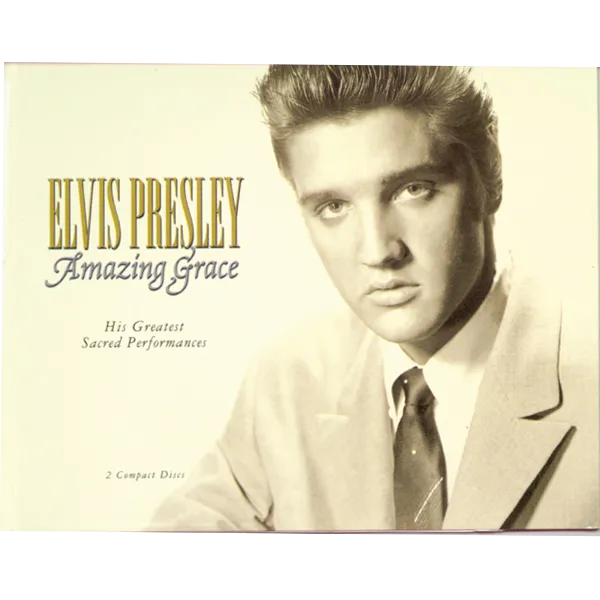
Among the many treasures of vintage American music, few recordings capture the raw power of gospel tradition quite like Elvis Presley’s “Joshua Fit The Battle.” This spirited rendition, drawn from Presley’s acclaimed 1994 compilation Amazing Grace, stands as a shining example of oldies music at its most soul-stirring, blending the King of Rock and Roll’s unmistakable voice with the deep well of African American spiritual tradition.
The Song and Its Roots
“Joshua Fit The Battle” is rooted in the African American spiritual tradition, a genre born from the experiences of enslaved people in the American South who used music as both worship and quiet resistance. The song draws its narrative from the Old Testament story of Joshua and the Battle of Jericho, in which the walls of the ancient city famously “came tumblin’ down” after the Israelites marched around it with trumpets sounding. For international listeners unfamiliar with this biblical reference, it’s worth noting that the song has long served as a metaphor for perseverance, faith, and the eventual triumph of the righteous over seemingly insurmountable obstacles — themes that resonated deeply within the American gospel tradition throughout the twentieth century.
Elvis Presley, a lifelong devotee of gospel music, arranged and adapted this classic spiritual for his own recording sessions. The track was captured on October 30, 1960, at the legendary RCA Studio B in Nashville, Tennessee — a facility that produced countless golden-era hits and remains one of the most storied recording locations in American music history.
The Musicians Behind the Magic
Part of what makes this recording so significant to collectors and fans of pre-1975 American music is its extraordinary lineup of session musicians, many of whom were among Nashville’s most in-demand players of the era.
The guitar work came courtesy of Hank Garland and Scotty Moore, both towering figures in the development of American rock and country guitar styles, alongside Presley himself. Bob Moore anchored the rhythm section on bass, while the powerhouse drumming duo of Buddy Harman and D.J. Fontana provided the propulsive beat that gives the track its unmistakable drive. Floyd Cramer, renowned for his distinctive “slip-note” piano style, added keyboard textures, while Boots Randolph contributed saxophone flourishes that rounded out the arrangement’s rich instrumental palette.
Vocally, Presley was joined by Millie Kirkham, Charlie Hodge, and the celebrated gospel quartet The Jordanaires, whose close harmonies were a signature feature of many classic Presley recordings throughout the 1950s and 1960s. This combination of voices created the layered, choir-like sound that gives “Joshua Fit The Battle” its uplifting, communal energy — a hallmark of the golden era of America’s gospel and oldies music scene.
A Lasting Legacy on Amazing Grace
Though recorded in 1960, “Joshua Fit The Battle” found a wider audience decades later when it was featured on Amazing Grace, a compilation released on October 25, 1994, that gathered Presley’s gospel recordings for a new generation of listeners. The album serves as a testament to a lesser-discussed but deeply important side of Presley’s artistry: his genuine reverence for sacred music, a passion that ran alongside his more famous rock and roll and pop hits.
For fans of Elvis Presley and students of American oldies music alike, this recording offers a window into the cultural crosscurrents that shaped mid-century American sound — where spirituals, gospel quartets, and Nashville session musicianship converged to create something timeless.
Conclusion
“Joshua Fit The Battle” remains a powerful reminder of the deep spiritual roots that run through American oldies music. Through Elvis Presley’s heartfelt arrangement and the contributions of some of Nashville’s finest musicians, this classic spiritual continues to inspire listeners with its message of faith and perseverance decades after it was first committed to tape. For anyone eager to explore the golden era of America’s musical heritage, this recording is an essential starting point. Take a moment to listen closely, and discover why these timeless melodies continue to move hearts around the world.