
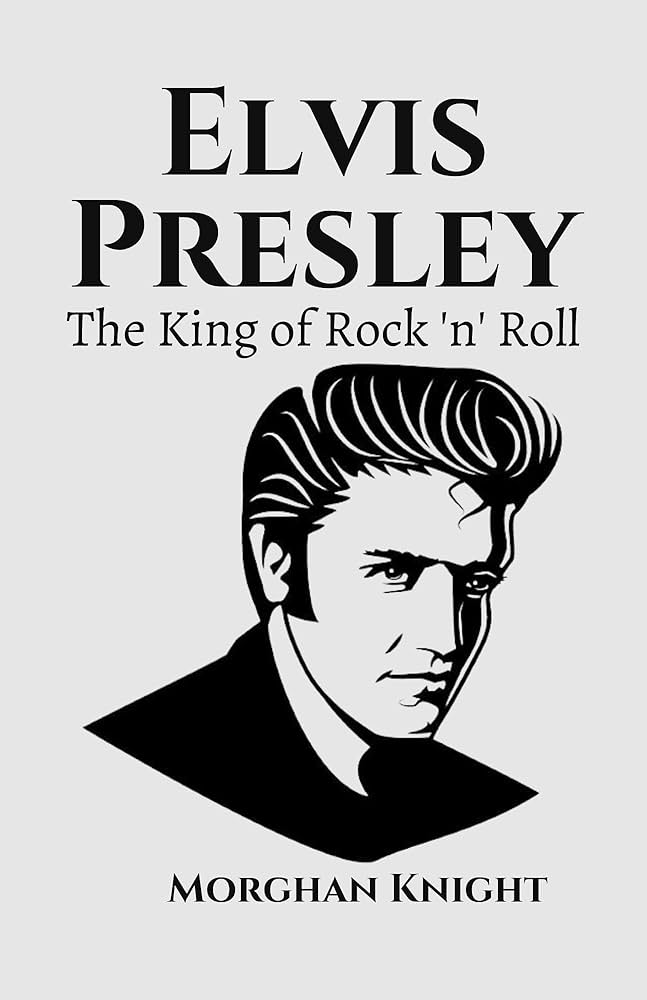
Elvis Presley’s impact on popular music and culture is undeniable. A pivotal figure in the birth and popularization of rock and roll, his unique blend of country, blues, and R&B, coupled with a dynamic stage presence, established a formula for enduring superstardom. Born on January 8, 1935, in Tupelo, Mississippi, Presley’s early life was marked by humble beginnings and a deep connection to music, particularly through his local Assembly of God church. His first public performance at age ten, singing “Old Shep,” foreshadowed a career that would captivate millions.
The Memphis Sound and Sun Records
The Presley family’s move to Memphis, Tennessee, proved instrumental in shaping his musical trajectory. He honed his guitar skills and drew inspiration from the diverse sounds of country, blues, and gospel music prevalent in the city. After graduating from Humes High School in 1953, Presley sought out Sun Records, a label known for its early rock and roll pioneers. His impromptu recording of “My Happiness” and “That’s Where Your Heartaches Began” caught the attention of label head Sam Phillips. In 1954, Phillips invited Presley back to the studio, seeking a white artist who could capture the “Negro sound and the Negro feel”. Presley’s rendition of Arthur “Big Boy” Crudup’s “That’s All Right,” infused with R&B’s sensuality and a spirited take on country music, resonated with Memphis radio listeners and marked the true beginning of his recording career. The single, backed with “Blue Moon of Kentucky,” quickly gained traction, leading to live performances where his charisma and distinctive style ignited audiences, particularly among female fans.
RCA Records and Mainstream Stardom
Presley’s burgeoning fame attracted the attention of Colonel Tom Parker, manager for country singer Hank Snow. Parker soon signed Presley to RCA Records, launching him into a new echelon of success. His first major-label single, the haunting “Heartbreak Hotel” in 1956, became his first number-one hit and was swiftly followed by other chart-toppers like “Don’t Be Cruel” and “Hound Dog”. While some mainstream and adult audiences were taken aback by his provocative performance style, teenagers embraced his music wholeheartedly. His self-titled debut album also topped charts in the United States and the United Kingdom in 1956. Presley became a ubiquitous cultural force, dominating radio airwaves with multiple number-one singles, appearing on television, and making his acting debut in “Love Me Tender”. His magnetic appeal and groundbreaking music inspired a generation of musicians, including influential figures like Bob Dylan and John Lennon.
Military Service and the ’68 Comeback Special
In 1958, Presley’s burgeoning career was temporarily interrupted by his induction into the United States Army. He served in Friedberg, Germany, where he was introduced to amphetamines, karate, and Priscilla Beaulieu, whom he would later marry in 1967. Upon his return in 1960, Presley resumed his musical and acting career, delivering hits like “Are You Lonesome Tonight” and “Return to Sender,” alongside a series of popular films. However, as the 1960s progressed, the quality of his film projects often declined, and his singles and albums, while still successful, no longer consistently hit the number-one spot. Dissatisfied, Presley collaborated with NBC on a television special, famously known as the ’68 Comeback Special. This broadcast showcased Presley’s revitalized energy and raw talent, performing both old and new material with a palpable intensity that reignited his career. The special led to a hit single, “If I Can Dream,” and the album From Elvis in Memphis, which featured the Top 5 single “In the Ghetto” and the chart-topping “Suspicious Minds,” his last number-one hit for seven years.
Later Years and Lasting Impact
Following the success of the ’68 Comeback Special, Presley returned to live performances, captivating audiences with renewed vigor. However, the 1970s saw a decline in his health, exacerbated by personal struggles, including the dissolution of his marriage and a reliance on barbiturates. While his recording career saw a dip, he remained a consistent presence on music charts, and his live shows, though marked by exhaustion, continued to draw large crowds. On August 16, 1977, Elvis Presley passed away at the age of 42, found dead at his Graceland mansion from a heart attack. The global outpouring of grief underscored his immense cultural significance. Presley’s legacy is inextricably linked to rock and roll; he remains a touchstone for the genre’s triumphs and excesses, and his music continues to resonate. Remixes of his songs achieved number-one status in the UK and America in the early 2000s, and he continues to be one of the highest-earning deceased celebrities, a testament to his unparalleled and enduring impact on music and popular culture. Elvis Presley’s songs, like “Kentucky Rain,” continue to be celebrated, solidifying his status as the King of Rock and Roll.
References
- (Original source content)