
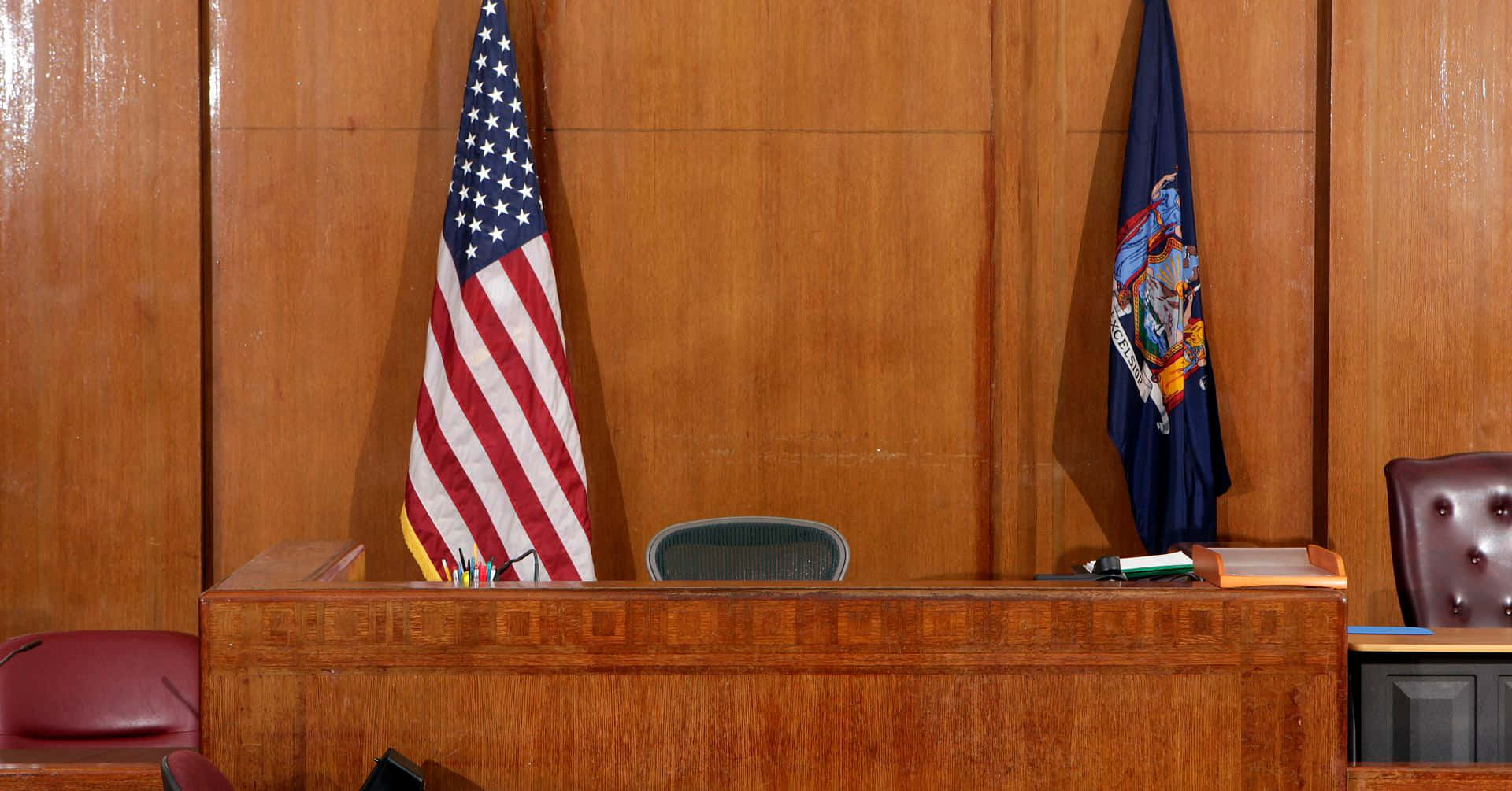
This document outlines the practices and expectations of Judge Russo in the Mark O. Hatfield United States Courthouse, located at 1000 Southwest Third Avenue, Room 1027, Portland, Oregon 97204-2944. It serves as a comprehensive guide for attorneys and parties appearing before the court, covering essential aspects from case management to courtroom decorum. The primary goal is to ensure efficient, fair, and respectful proceedings.
Case Management and Scheduling
Judge Russo is committed to the timely resolution of civil cases, with an expectation that the vast majority will be tried within 18 months of their filing date. Rule 16 conferences are scheduled after all defendants have appeared or had an order of default entered against them. Prior to these conferences, counsel are required to confer and submit a formal joint Rule 26(f) Report and Discovery Plan. During the conference, parties should be prepared to discuss the case status, relevant dates, deadlines, and any significant issues. The court strongly encourages parties to consider consenting to particular procedures, especially if a firm trial date is desired.
Discovery and Motions
Effective February 2025, Judge Russo will no longer accept informal discovery disputes via email. Instead, parties must follow formal motion practice for compelling discovery. When filing summary judgment motions, Judge Russo encourages parties to focus on issues that clearly involve no question of material fact or present significant dispositive legal issues. This approach aims to avoid unnecessary delays, save client funds, and conserve court resources. Moving party arguments must be well-supported by citations to the record, referencing paragraph numbers in affidavits and declarations or page numbers of deposition excerpts.
Briefing and Oral Argument
The court strongly encourages counsel to hyperlink cited cases within their briefs, following the guidance provided in Section 5 of the CM/ECF User Manual. Judge Russo does not automatically schedule oral argument upon request. Parties will be contacted if, after reviewing the submitted briefing, the court determines that oral argument would be beneficial in resolving the motion.
Courtroom Conduct and Procedures
Pronoun Usage and Honorifics
Parties and counsel are encouraged to inform the court of their pronouns and honorifics, such as Mx., Ms., or Mr., either in writing or orally during conferences, hearings, or trials. All parties and counsel are instructed to address each other using these identified pronouns and honorifics in all written documents and court proceedings.
Mobile Devices and Technology
Mobile devices must be turned off before entering the courtroom. Parties requiring teleconferencing, intending to utilize the courtroom’s video displays, or having other presentation technology questions should provide advance notice to the court.
Decorum and Professionalism
Attorneys and parties are expected to conduct themselves with decorum and good manners. This fosters a civil and collegial relationship between opposing parties and counsel, which is consistently preferred by jurors, courtroom staff, and public observers.
Judge’s Copies and Formatting
In accordance with Local Rule 5-8, registered CM/ECF users must provide a paper copy of certain electronically filed documents, marked as “JUDGE’S COPY,” to the Clerk’s Office within three business days of electronic filing. This includes dispositive motions, motions for injunctive relief, and any other documents exceeding ten pages in aggregate (excluding Social Security Administrative Records). For combined filings of two inches or more, Judge Russo prefers these be placed in a three-ring binder with tabs. Documents totaling less than two inches should be stapled or two-hole punched and fastened with a locking metal fastener.
Judicial Externships
Judge Russo accepts applications for judicial externships, offering law students a valuable opportunity to learn about judicial processes. Applicants should possess a strong work ethic and a demonstrated commitment to legal writing. To apply, submit a cover letter, resume, law school transcript, a writing sample (no more than five double-spaced pages), and the names of three references to the provided contact. Applications are typically reviewed annually starting in February for the upcoming academic year, but submissions are accepted at any time.