
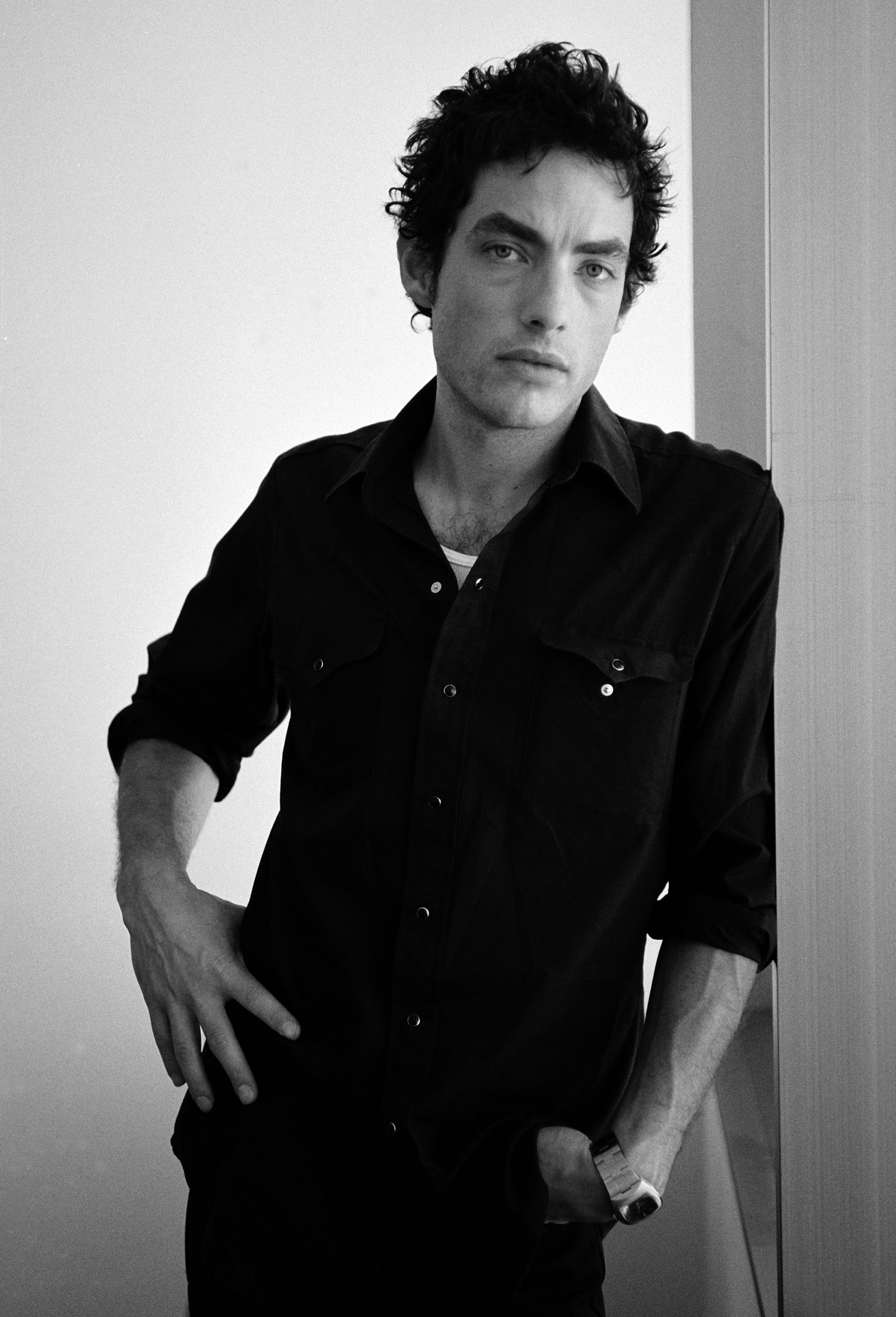
Jakob Dylan, the frontman of The Wallflowers, recently shared insights into his enduring career, the art of songwriting, and the ever-changing landscape of the music industry. In a candid conversation, Dylan touched upon the longevity of his band’s hits, the irreplaceable experience of live touring, and his perspectives on how music is discovered and consumed today. This discussion offers a valuable glimpse into the mindset of an artist who has navigated the complexities of the music world for decades.
The Longevity of “Oldies” and Touring
When asked about his band’s songs like “One Headlight” and “6th Avenue Heartache” still receiving radio play decades after their release, Dylan expressed a consistent sense of wonder. “Hearing them played never gets old,” he stated. “Just like that, I’m a kid again.” He recalled the profound impact of hearing one’s song on the radio for the first time and how that feeling persists even after thirty years. This sentiment underscores the timeless appeal of well-crafted music, bridging generational gaps.
Dylan also emphasized the crucial role of touring in sustaining a music career. He believes in the importance of a robust body of work that allows for continuous touring, rather than relying solely on new album cycles. “My preference is to tour a lot these days,” he explained. “As long as we find places to play, we stay out. It’s good to be busy.” This dedication to live performance is a cornerstone of his approach, reflecting a belief that the “troubadour experience” remains vital. The essence of his philosophy on touring can be seen as a modern iteration of a timeless tradition.
Influences and the Evolution of Music Discovery
The conversation touched upon early influences, with Dylan confirming the significant impact of The Clash on his musical development. He described them not merely as a punk band but as “the best rock and roll band out there,” citing their innovative songwriting and Topper Headon’s unique drumming. He highlighted London Calling as an album that “does not sound dated,” still feeling as fresh as a new release despite its 1979 debut. This admiration for enduring artistry speaks to a deeper appreciation for music that transcends its original time.
Reflecting on how music is discovered today, Dylan observed a stark contrast to his early career. He noted the shift from a era where radio dictated popular taste to a more fragmented digital landscape. “Anyone can get lucky, and everybody else follows, trying to figure out how they did it,” he remarked, alluding to the varied paths to success. He pointed out that while there’s “room for everybody,” the way bands achieve recognition has fundamentally changed. The accessibility of music creation and distribution has democratized the process, yet it also presents new challenges for artists seeking sustained careers.
The Challenges of a Modern Music Career
Dylan candidly addressed the increasing difficulty of building a lasting career in music. His primary advice for aspiring musicians is to “learn how to play your instruments well and get off the computer. Stop working alone. Tour. Travel.” He reiterated that making a living solely from record sales is no longer feasible, and the industry has undeniably become a “touring business.”
He also spoke about the allure of “overnight success” and how it contrasts with the more arduous path he and his peers experienced. “People considered us a failure at the beginning,” he recalled. Younger artists, witnessing peers achieve rapid wealth through digital means, may find it challenging to embrace the dedication required for a long-term career. Dylan acknowledges the difficulty of avoiding self-comparison in this environment, especially with the sheer volume of content available. “We don’t all share the same music now,” he noted, highlighting a generational divide in musical consumption.
Embracing the Journey
Despite the evolving challenges, Dylan expressed profound gratitude for his sustained career. “Life is hard. You have to get through it doing something you enjoy doing,” he stated, underscoring the importance of passion in navigating life’s difficulties. He finds joy in the daily variations of life on the road and the opportunity for new experiences.
When asked if he still craves another massive hit, Dylan admitted, “Who wouldn’t want one?” However, he also pointed out the diminished presence of colossal rock hits in recent years. He observed that the rock genre has returned to its roots, existing “on the outskirts” rather than dominating the mainstream as it once did.
In closing, Dylan’s perspective offers a valuable commentary on the enduring power of music and the adaptive strategies required for artists to thrive. His insights into the past, present, and potential future of the music industry provide a rich tapestry for anyone interested in the craft of songwriting and the life of a musician.
References:
- Jakob Dylan’s reflections on touring and the troubadour experience.
- Dylan’s thoughts on music discovery in the digital age compared to his early career.
- Discussion on “overnight success” and the challenges for young musicians.
- Dylan’s analysis of rock music’s current place in the industry.