
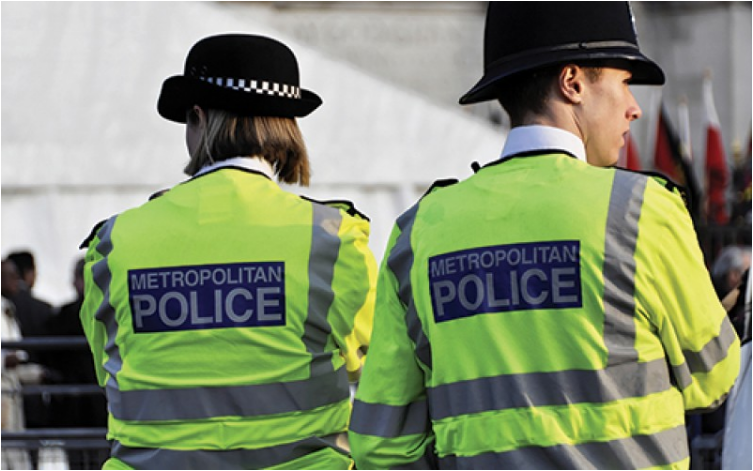
Embarking on a career in law enforcement is a significant decision, driven by a desire for purpose, excitement, and service. Many are drawn to the role of a police officer, aspiring to understand the intricacies of the job, from responding to emergencies to maintaining public safety. This path demands dedication, resilience, and a commitment to community service, setting it apart from a typical 9-to-5 profession.
Becoming a police officer today is an exceptionally demanding yet deeply rewarding career. The journey involves a rigorous selection and training process, extensive background checks, and the cultivation of emotional fortitude from the outset. Before you commit to this path, it’s crucial to understand the challenges, expectations, and the essential mindset required to wear the badge.
Essential Qualifications for Aspiring Police Officers
While specific requirements can differ across states and individual law enforcement agencies, most departments seek candidates who meet the following minimum qualifications:
- U.S. Citizenship: Applicants must be citizens of the United States.
- Age: While a minimum age of 18 is generally required, most police academies mandate that cadets be at least 21 years old by the time they graduate.
- Education: A high school diploma or a GED is typically the baseline. However, possessing a college degree can provide a competitive edge, as some departments even mandate them, particularly for future promotions.
- Driver’s License: A valid driver’s license is a standard requirement.
The Rigorous Path to Becoming a Police Officer
The application and selection process for law enforcement can be lengthy, often spanning four to six months, and in some cases, up to a year. It moves beyond a simple initial application to a series of demanding stages:
1. Written Examination
Candidates must first successfully pass a written test designed to assess cognitive abilities and knowledge.
2. Physical Agility Test
A crucial step involves a physical agility test to ensure candidates meet the necessary physical standards for the demanding nature of police work.
3. Oral Board Interview
An oral board interview serves as an opportunity for a panel to evaluate a candidate’s communication skills, judgment, and suitability for the role.
4. Background Investigation
A comprehensive background check is conducted, examining criminal records, credit history, military service, employment history, and references. While certain offenses, such as felony convictions or domestic violence misdemeanors, can be automatic disqualifiers, some agencies may consider applicants with past infractions if they have maintained a clean record for a significant period. Flagrant financial irresponsibility or a dishonorable military discharge are also grounds for disqualification. Agencies meticulously scrutinize candidates to identify any subtle disqualifying characteristics, including any appearance of bias.
5. Post-Conditional Offer Screening
Upon receiving a conditional offer of employment, candidates undergo further rigorous screening, including a thorough medical examination, a psychological evaluation, a polygraph test, and drug screening.
The Demands of the Police Academy
Successfully navigating the pre-employment screening leads candidates to the police academy, an intensive program designed as a significant physical and mental challenge. It’s important to note that some agencies require academy completion before application, while most larger departments, such as the NYPD, mandate their own in-house academy training after a conditional offer.
The curriculum varies nationwide, but typically involves approximately 833 hours of classroom instruction, usually spread over five months. Following academy graduation, recruits enter an on-the-job training program with a field training officer, and then typically serve a probationary period as a rookie officer for at least one year, and sometimes up to two years.
Preparing for a Strong Candidacy
Beyond maintaining a clean record and considering a college education, aspiring officers can enhance their candidacy through various community involvement and personal development activities. Volunteering in roles that involve visible responsibility can cultivate public service capabilities. Participation in sports can foster teamwork and physical fitness. Programs like scouting or youth explorer programs teach structure, adherence to rank systems, and the value of service. Critically, engaging in conversations with current police officers is invaluable for gaining realistic insights into the profession.
Compensation and Career Progression
Salaries for police officers vary based on location and agency. Generally, police pay is competitive and often slightly above the average for many professions in the United States. Factors such as overtime and opportunities for promotion significantly impact overall earnings.
Becoming a Police Officer in Specific Locations
- California: Specific guidelines for becoming a police officer in California are available through dedicated resources.
- New York: To become a police officer in New York State, candidates must be U.S. citizens with a high school diploma or equivalent. The process includes physical fitness tests, background checks, psychological evaluations, and academy training. Larger departments like the NYPD may have additional requirements, such as a minimum number of college credits or prior military service.
Conclusion: Embracing the Call to Serve
Choosing a career in law enforcement is a commitment to a challenging yet fulfilling mission of protecting and serving communities. By understanding the comprehensive requirements and preparing diligently, you take a significant step toward this noble profession. We encourage you to explore these pathways and consider joining the ranks of those dedicated to public safety. Good luck on your journey!