
Walk down any pet store aisle and you’ll find dozens of bottles promising relief for itchy, irritated dogs. Many of them use one word to catch your eye: hypoallergenic. If your dog struggles with sensitive skin, a hypoallergenic dog shampoo sounds like exactly what you need. But before you reach for that bottle, it’s worth understanding what this label actually means — and, just as importantly, what it doesn’t.
The truth is, “hypoallergenic” has no legal definition when it comes to pet grooming products. That doesn’t mean these shampoos are useless or dishonest; it means dog owners need to look past the marketing word and evaluate the ingredient list for themselves.
Why “Hypoallergenic” Doesn’t Mean What You Think
Most people assume a hypoallergenic product contains no allergens at all. That’s technically impossible — virtually any substance, including water, can trigger a reaction in some individual, canine or human. The prefix “hypo” actually means “beneath” or “reduced,” so medical dictionaries define hypoallergenic more accurately as having a diminished potential to cause an allergic reaction, not zero potential.
There’s also an important distinction between a true allergic reaction and simple contact dermatitis, which is far more common in dogs reacting to grooming products. Contact dermatitis shows up quickly, right where the shampoo touched the skin, and depends on the strength of the ingredient and how long it stayed on the coat. A genuine allergic reaction, by contrast, may not appear the first time a dog is exposed to a substance — it can develop after repeated exposures and cause widespread irritation even from a small amount of the allergen. For most dogs experiencing skin problems after a bath, contact dermatitis, not true allergy, is the more likely culprit.
Who Actually Regulates These Claims?
The word “hypoallergenic” was first used commercially by the cosmetics brand Almay back in 1953, and it quickly spread across the beauty industry — regardless of whether products described this way were actually less irritating than standard alternatives.
In the United States, the Food and Drug Administration (FDA) oversees cosmetics, including human shampoo, under the Food, Drug, and Cosmetic Act. In 1974, the FDA tried to formally regulate the term “hypoallergenic,” proposing that only products proven through human studies to cause significantly fewer skin reactions could carry the label. Cosmetic companies fought back, and by 1975 the courts sided with manufacturers, ruling that the FDA hadn’t proven consumers understood the term the way regulators defined it. Since then, no binding regulation has existed for the word — companies can use it freely, without needing to prove anything.
Dog shampoo sits in even murkier territory. Products claiming to treat a specific medical condition fall under the FDA’s Center for Veterinary Medicine, and flea or tick treatments are regulated by the Environmental Protection Agency. But ordinary grooming shampoos, hypoallergenic or not, are classified simply as “grooming aids” — a category with no government oversight at all in the U.S.
Given that reality, the responsibility falls on you, the owner, to read labels critically rather than trust the word on the front of the bottle.
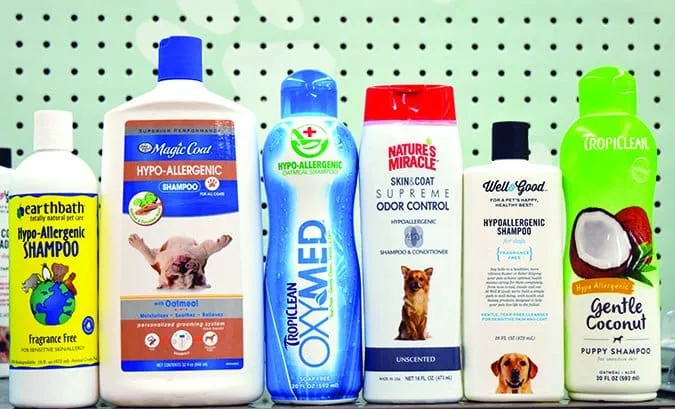
Understanding Why Your Dog’s Skin Is So Reactive
If your dog is chronically itchy, has red or inflamed skin, or sheds excessive dander, a vet visit should come before any new shampoo purchase. Sometimes the cause is mild — environmental allergens like pollen and dust mites, or even sunburn on thin-coated or light-skinned dogs. A gentle bath may genuinely help in these cases.
But persistent itchy, dry skin can also signal underlying disease, including Cushing’s syndrome, hypothyroidism, bacterial or fungal infections, parasites, or even cancer. Food allergies are another common trigger, and no shampoo — however gentle — can resolve a reaction to something your dog is eating. According to veterinary dermatologists, genetics plays a substantial role too. Coat color and breed are strongly linked to certain skin conditions; for example, allergic skin disease is frequently seen across Labrador Retrievers regardless of coat color, while some blue-coated dogs experience hair loss tied to coat-color genetics.
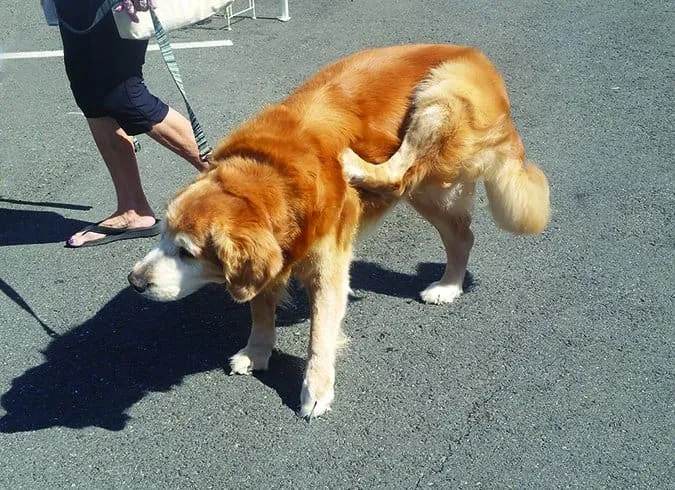
If your dog’s skin issues don’t clear up within about a week of switching to a gentle shampoo, it’s time to loop in your veterinarian — and take a hard look at whether the shampoo itself might be making things worse.
What Actually Sets Hypoallergenic Shampoos Apart
Standard dog shampoos rely on surfactants to lift dirt and oil from the coat, along with thickeners, fragrances, dyes, detanglers, and preservatives to create that familiar rich, foamy bathing experience. Hypoallergenic dog shampoo formulas typically strip away many of these extras. The result is usually a thinner, less sudsy product that rinses out quickly — a trade-off worth making for dogs whose skin can’t tolerate a long list of additives.
Here’s what to actually check for when comparing sensitive-skin shampoos:
Full ingredient transparency. Unlike dog food, there’s no legal requirement for shampoo labels to disclose every ingredient. Products marketed for sensitive skin should be held to a higher standard, listing everything included so you can identify what caused a reaction if one occurs.
Specific, not vague, descriptions. Be wary of labels touting “all natural ingredients,” “herbal extracts,” or “proprietary blends” without naming what’s actually inside. Vague wording makes it impossible to judge whether a product is genuinely safer for your dog.
A short, simple ingredient list. Fewer ingredients mean fewer chances for a reaction. Skip anything with unnecessary perfumes, synthetic fragrances, or dyes.
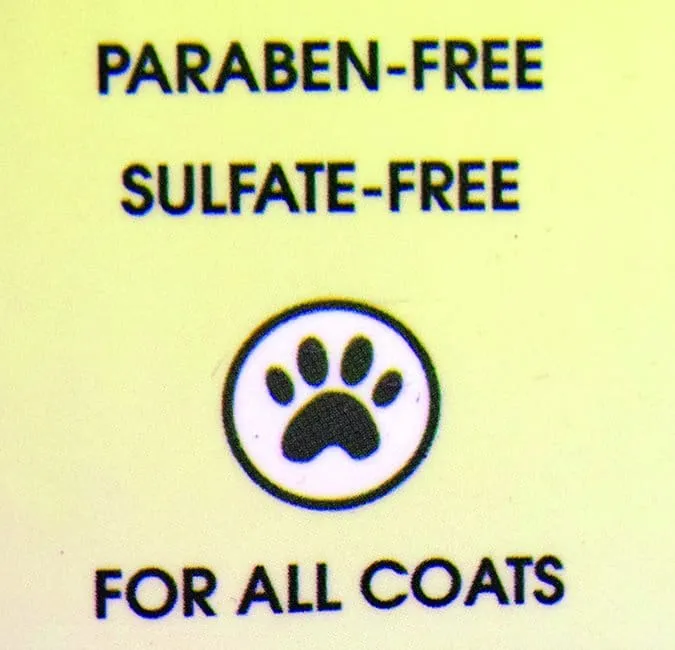
Sulfate-free options for dry skin. If your dog’s skin is already dry or flaky, sulfates such as sodium lauryl sulfate can worsen irritation. Note that this is different from the milder sodium laureth sulfate, commonly used in baby shampoos.
Don’t fear complicated-sounding names. Ingredients like rosmarinus officinalis are simply rosemary — a natural preservative with anti-inflammatory and antiseptic properties. A hard-to-pronounce name doesn’t automatically mean a harmful one.
Soap isn’t automatically bad. Many “soap-free” claims are more marketing than substance. Natural soap ingredients like saponified coconut or olive oil aren’t necessarily harsh, though your individual dog’s reaction is always the final test.
Understand the preservative trade-off. Preservatives that work best at preventing bacterial growth, such as parabens or formaldehyde-releasing compounds, are also more likely to irritate sensitive skin. If a product is preservative-free, buy smaller bottles and respect the expiration date closely, since the formula loses its protective benefits once expired.
Bathing Habits Matter as Much as the Shampoo
Even the gentlest hypoallergenic dog shampoo can’t compensate for poor bathing habits. Veterinary dermatologists note that over-bathing is one of the most common causes of skin problems in dogs — stripping natural oils and drying out the coat, which can lead to cracking, itching, and even secondary infections. Aggressive blow-drying after a bath can compound the problem rather than solve it.
One more rule worth remembering: never substitute human shampoo for your dog’s bath, even a mild one. Canine skin sits at a different, more alkaline pH than human skin, so products formulated for us can disrupt your dog’s natural skin barrier.
The Bottom Line
There’s no governing body verifying hypoallergenic claims on dog shampoo, and the word itself is more of a marketing signal than a guarantee. Still, products described this way generally aim for a shorter, gentler ingredient list — which is a reasonable starting point for dogs prone to skin irritation. Your best strategy is to read labels carefully, avoid vague or incomplete ingredient disclosures, watch for sulfates if your dog has dry skin, and pay close attention to how often and how thoroughly you bathe your dog.
If skin issues persist despite switching products and adjusting your bathing routine, a veterinary visit is essential — some causes of itchy skin have nothing to do with shampoo at all. With the right combination of a gentle, transparent product and sensible bathing habits, most dogs with sensitive skin can enjoy bath time without discomfort.