
Understanding and managing pain in dogs is crucial for their well-being, especially as they age. While advancements in veterinary medicine offer numerous solutions, it’s essential for pet owners to recognize the signs of pain and know which treatments are safe and effective. This guide provides an overview of pain relief options for dogs, including medications, supplements, and alternative therapies, emphasizing the importance of veterinary consultation.
As our canine companions live longer lives, they become more susceptible to various health issues, including chronic pain. Recognizing the subtle indicators of discomfort is the first step towards providing relief. Fortunately, a range of pain management strategies is available, from prescription medications to non-pharmacological approaches, all aimed at improving your dog’s quality of life.
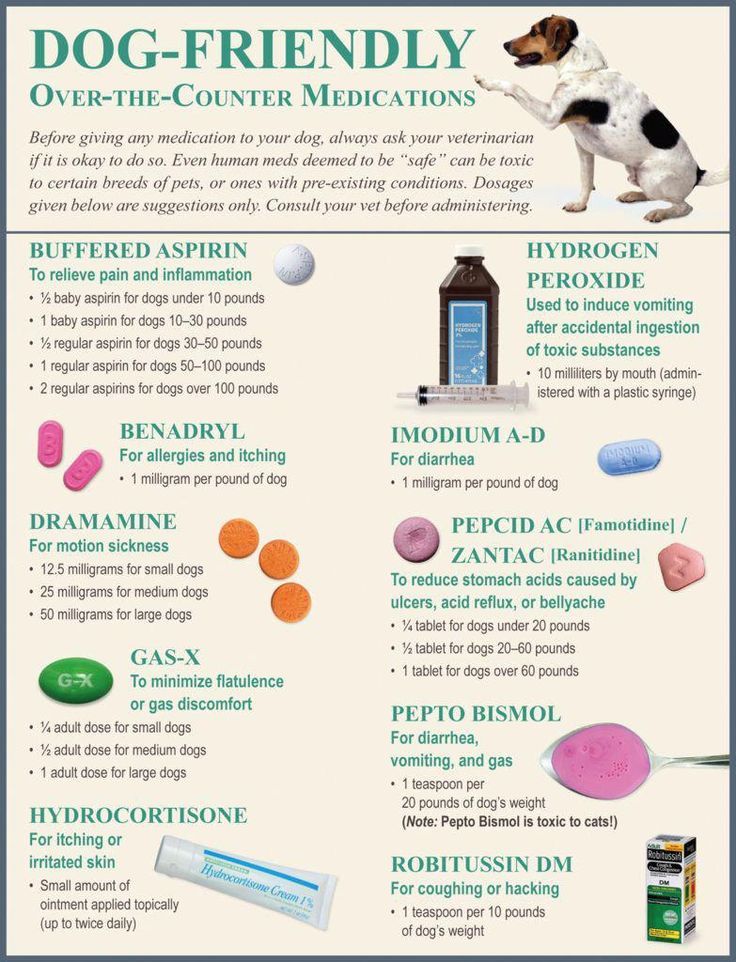
It is vital to consult with your veterinarian before administering any medication or supplement to your dog. They can accurately diagnose the cause of pain and recommend a tailored treatment plan that considers your dog’s specific health status and needs. Incorrect medication or dosage can lead to serious health consequences.
Veterinary-Prescribed Pain Medications for Dogs
Your veterinarian will collaborate with you to create a personalized pain relief plan based on the nature and severity of your dog’s pain. This plan may involve several types of medications:
- Nonsteroidal Anti-Inflammatory Drugs (NSAIDs): Approved by regulatory bodies like the FDA, veterinary-prescribed NSAIDs, such as Galliprant and carprofen, effectively reduce pain by lowering inflammation. It’s crucial to remember that human NSAIDs like ibuprofen and naproxen are toxic to dogs and should never be administered.
- Opioids: For moderate to severe pain, opioids work on the central nervous system to reduce pain perception. These are typically used for post-surgical pain or significant injuries and require a vet’s prescription due to their controlled nature.
- Other Medications: Drugs like gabapentin can modulate nerve activity to limit pain signals. Your vet might prescribe these or a combination of therapies.
NSAIDs for Canine Pain Management
Specific NSAIDs are FDA-approved for dogs to manage pain and inflammation, particularly in conditions like osteoarthritis. These medications reduce the body’s inflammatory response, thereby alleviating pain. However, NSAIDs can potentially affect the stomach lining, kidneys, and blood flow. Therefore, only use NSAIDs prescribed by your veterinarian and maintain close communication regarding your dog’s response. Dogs with pre-existing liver or kidney conditions may not be suitable candidates for NSAIDs, as these organs are crucial for drug metabolism and clearance. Regular blood work and urinalysis may be recommended to monitor organ function while on NSAIDs.
These medications can be used for short-term pain relief or long-term management of chronic conditions such as hip dysplasia and osteoarthritis. Always observe your dog for any side effects or signs of toxicity and contact your vet immediately if you suspect an issue.
Understanding Opioids for Dogs
Opioids target pain receptors in a dog’s brain, providing significant relief for moderate to severe pain. They are often used in conjunction with anesthesia or for post-operative care. Due to strict federal regulations, their use is carefully logged by veterinarians. Potential side effects include excessive salivation, vomiting, lethargy, and hyperexcitability. Common opioids prescribed by vets include morphine, codeine, butorphanol, and fentanyl, each with specific uses and durations of administration.
Additional Pain Relief and Supplements
Beyond prescription medications, other options can aid in pain management:
- Librela: This is a monoclonal antibody injection for osteoarthritis pain.
- Joint Supplements: Over-the-counter supplements like glucosamine, chondroitin, and fish oil can support joint health and reduce inflammation. Glucosamine and chondroitin protect cartilage, beneficial for conditions like hip dysplasia and spinal cord injuries. Fish oil offers anti-inflammatory benefits and can help with various conditions including arthritis, skin issues, and heart disease.
Safety of Human Pain Relievers for Dogs
While some human medications are safe for dogs, their use requires extreme caution and veterinary guidance. Dosing, formulation, and a dog’s unique metabolism differ significantly from humans. Never administer human pain relievers like ibuprofen (Advil, Motrin) or acetaminophen (Tylenol) to your dog, as they can cause severe gastrointestinal bleeding, kidney failure, or liver damage. Always consult your vet before giving any human medication to your pet.
Recognizing Signs of Pain in Dogs
Being able to identify when your dog is in pain is critical for their care. Signs can range from subtle behavioral changes to obvious physical discomfort:
- Restlessness or increased distraction
- Visible signs of discomfort such as panting, hiding, or an arched back
- Vocalizations like whimpering, crying, groaning, or howling
- Changes in facial expression, such as droopy ears or a worried look
- Lack of response when called
- Reluctance to move all or part of their body
- Reduced interaction with people
- Aggression, such as growling, flinching, or biting when touched
Using a canine pain scale can help objectively assess your dog’s pain level.
Comforting a Dog in Pain
In addition to medication, lifestyle adjustments can significantly improve a dog’s comfort:
- Weight Management: Maintaining a healthy weight reduces strain on joints and lowers the risk of other diseases. Work with your vet on diet and appropriate exercise.
- Encourage Movement: Gentle daily exercise, such as walking or swimming, keeps joints and muscles healthy and can release natural endorphins that help control pain. This also provides mental stimulation.
- Home Modifications: Use carpet runners or dog boots to improve traction. Consider pet ramps or dog gates to ease access to different areas. Elevated food and water bowls can help dogs with neck or joint pain.
Alternative Therapies
Complementary therapies can enhance pain management:
- Physical therapeutic exercises and underwater treadmill rehabilitation
- Massage and passive range of motion exercises
- Neuromuscular stimulation and therapeutic ultrasound
- Acupuncture
These natural methods can be used alongside conventional medicine for a holistic approach to pain control, especially for pets that don’t tolerate medications well.
Frequently Asked Questions About Pain Meds for Dogs
What pain relievers are safe for dogs?
Safe and effective options include veterinary-prescribed NSAIDs (like Galliprant, carprofen), opioids, and certain other medications, alongside some dog-specific supplements. Your vet is the best resource for determining what’s safe for your dog.
Can I give a dog pain meds without a vet?
No. Always consult your veterinarian before giving any pain medication. Many human pain relievers are toxic to dogs, and your vet can prescribe the correct medication and dosage.
Can I give my dog aspirin or Tylenol?
Never give your dog aspirin or Tylenol unless specifically directed by your veterinarian. These human medications can cause severe internal bleeding and organ damage in dogs. Safer, vet-approved options designed for dogs are available.
References
- US Food and Drug Administration. “Galliprant — A Nonsteroidal Anti-Inflammatory Drug (NSAID) for Dogs with Osteoarthritis.” September 2019.
- Wunsch L, Schmidt B, Krugner-Higby L, Smith L. “A comparison of the effects of hydromorphone HCl and a novel extended-release hydromorphone on arterial blood gas values in conscious healthy dogs.” Research in Veterinary Science. 2010;88(1): 154-158.