
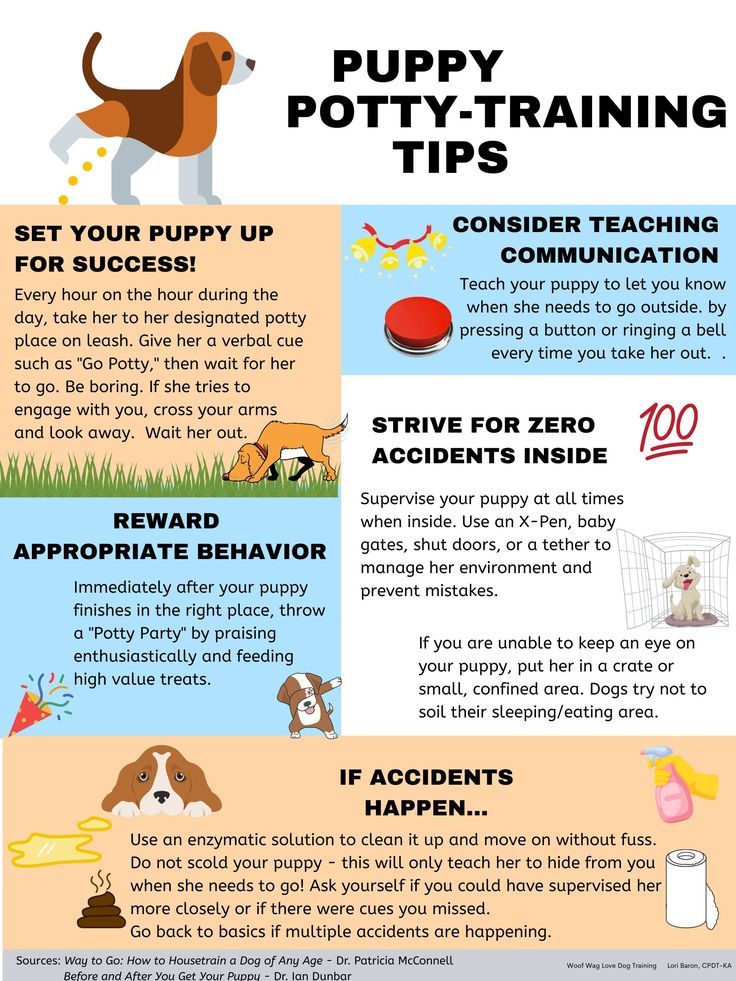
Potty training your puppy is one of the first and most critical milestones in your journey as a pet parent. Establishing a solid housebreaking routine ensures a clean living environment and strengthens the bond between you and your new companion. By following a structured approach to puppy potty training, you can teach your dog where and when to go while avoiding the common frustrations that often accompany this learning phase.
Establish a Consistent Potty Training Routine
Consistency is the cornerstone of successful puppy potty training. Puppies have small bladders and limited muscle control, meaning they need frequent opportunities to succeed.
- Frequency: Take your puppy outside at least every two hours.
- Key Timing: Always head outdoors immediately after they wake up, after intense play sessions, and shortly after eating or drinking.
- Designated Spot: Choose a specific bathroom area outside. Taking them to the same spot every time allows familiar scents to trigger their natural instinct to go.
- Command Association: Use a consistent cue word, such as “go potty,” while they are relieving themselves. This helps them associate the verbal command with the physical action.
Pro Tip: Wait until your puppy is completely finished before offering praise. Puppies are easily distracted; if you cheer too early, they may stop mid-stream and finish the rest once they are back inside. Once they are done, reinforce the behavior immediately with high-value treats or enthusiastic praise.
Stick to a Strict Feeding Schedule
A predictable input leads to a predictable output. By feeding your puppy at the same times every day, you can more accurately anticipate when they will need to go outside.
Most puppies will need a bathroom break shortly after a meal. To manage overnight accidents, it is also wise to remove your puppy’s water dish about two and a half hours before bedtime. Most puppies can comfortably sleep for about seven hours. If they do wake you up at night, keep the interaction calm and boring—take them out quietly and return them to bed without turning it into a midnight play session.
Supervise Closely and Recognize the Signs
Until your puppy is fully housebroken, they require constant supervision indoors. A common technique is “tethering,” where you keep the puppy on a 6-foot leash attached to your belt or a nearby piece of furniture. This prevents them from wandering off to a quiet corner to have an accident.
Watch for These “I Need to Go” Signals:
- Barking or scratching at the door.
- Intense sniffing or circling the floor.
- General restlessness or sudden squatting.
When you see these signs, immediately take your puppy to their designated spot. If you are unable to watch them directly, use a confinement method like a baby gate in a tiled room or crate training. A crate is a highly effective tool because dogs naturally avoid soiling the area where they sleep.
How to Handle Potty Training Accidents
Accidents are a normal part of the learning process. When they happen, the way you react will determine how quickly your puppy learns.
- Stay Calm: If you catch them in the act, calmly interrupt them and take them to their outdoor spot to finish.
- Reward Success: If they finish outside, praise them as if they just won a gold medal.
- Avoid Punishment: Never scold your puppy or rub their nose in a mess. This only teaches them to fear you or to hide when they need to go, which significantly slows down puppy potty training.
- Clean Thoroughly: Clean soiled areas using an enzymatic cleaner to fully remove odors. If a puppy can still smell their previous accident, they are much more likely to repeat the mistake in that same spot.
Planning for Your Absence
Puppies require a significant time investment. If you are away for more than four or five hours a day, you must arrange for a neighbor or professional pet sitter to provide bathroom breaks.
If you must use indoor options like pee pads or sod boxes, be aware that this can sometimes confuse the puppy and make outdoor training take longer. To bridge the gap, you can place a soiled paper towel from an indoor accident in the outdoor potty area to help them associate that specific scent with the correct location.
Final Thoughts on Puppy Potty Training
Patience, consistency, and positive reinforcement are the foundations of successful potty training. While the process typically takes 4–6 months, every dog is an individual. Smaller breeds or dogs from rescue backgrounds may require more frequent breaks and a bit more time to fully adjust.
A helpful rule of thumb is that a puppy can generally hold their bladder for one hour for every month of age (e.g., a 3-month-old puppy may need a break every 3 hours). By staying diligent and keeping a positive attitude, you will set your companion up for a lifetime of good habits. If you find yourself struggling, don’t hesitate to reach out to a professional trainer or veterinarian for additional support.
References
- Positive Reinforcement Training Techniques, Humane World for Animals.
- Crate Training 101: A Comprehensive Guide, Humane World Resources.
- Effective Pet Odor and Stain Removal, Animal Care Essentials.