
Resource guarding is a common behavior in dogs where they become possessive over items they value, such as food, toys, or even their favorite resting spots. This possessiveness can manifest as growling, snapping, or even aggression when a person or another animal approaches. Fortunately, with the right approach and training methods, resource guarding can be effectively managed and corrected. This article will guide you through understanding and addressing this behavior, drawing from expert insights and practical techniques.
Resource guarding often stems from a dog’s natural instincts, but it can be exacerbated by how humans interact with them. Old-fashioned, force-based training methods, which involve physically punishing a dog or forcibly taking items away, can inadvertently increase a dog’s anxiety and possessiveness. Instead, positive reinforcement techniques and a focus on building trust are key to a successful training regimen.
Understanding the Roots of Resource Guarding
As a dog behavior expert, many behavioral issues I address are influenced by human actions. This was the case with Loumi, a one-year-old Teacup Poodle, during a recent West LA dog training session. Loumi’s guardians were initially employing outdated, force-based methods, such as physically pushing his rear down to teach “sit” and taking items away rather than teaching a “drop it” cue. Most dog trainers have moved away from these methods because they often lead to more severe behavior problems and merely suppress, rather than resolve, the issue. Loumi’s anxiety was likely further influenced by the use of a sonic device advertised to instantly stop barking, which works by creating an unpleasant experience for the dog.
Fortunately, Loumi’s guardians were open to a new approach. We began by covering fundamental concepts, including marker words, hand targeting, and how to positively motivate dogs through petting when they exhibit desired behaviors. We also discussed the importance of incorporating creative exercise and mental stimulation, such as the “cookie in the corner” game, to enhance command cue effectiveness.
Reading Your Dog’s Signals and Building Trust
A significant portion of our session was dedicated to understanding canine cutoff signals, gauging dog consent, and interpreting body language. Loumi’s resource guarding was likely influenced, if not directly caused, by his guardians pulling and taking items away from him, such as cigarette butts, trash, or high-value chews. This led Loumi to act aggressively when he possessed an object and feared his guardians might take it. While it’s a common reaction, forcefully taking an item away from a dog exhibiting guarding behavior is precisely the worst thing you can do.
Implementing Positive Training Techniques
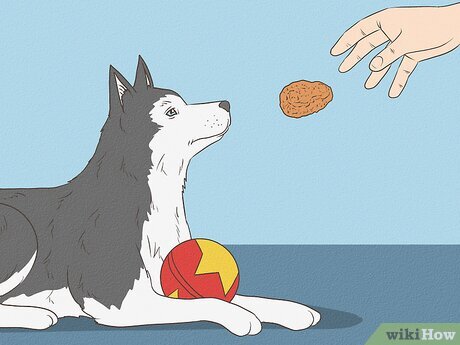
We introduced a simple “drop it” exercise integrated into a game of fetch. By offering a treat when Loumi returned with the toy and then marking and rewarding him after he dropped it, his guardians could develop a strong “drop it” cue during playtime. It is strongly recommended to cease forcefully taking items from your dog. Instead, teach them to drop items using a trade-off, offering a safe and appropriate chew in return. This method helps your dog learn that when humans approach while they have an object, it doesn’t signal a threat of loss.
The “Drop It” Game and Positive Association
A crucial aspect of stopping resource guarding is helping dogs learn that human approaches are not a threat to their possessions. While taking items from a growling dog might seem like a solution, it almost always reinforces the guarding behavior. A more effective strategy is to first develop a robust “drop it” cue, as demonstrated in the fetch game with Loumi, and to help the dog associate the arrival of a person with positive outcomes rather than the fear of losing something. This trick to stop resource guarding is highly effective, provided the human carefully reads the dog’s body language and ceases approaching at the first sign of discomfort.
For owners dealing with resource guarding, recognizing that the dog is acting on instinct is paramount. Many owners take guarding personally and resort to punishment, but as mentioned, this behavior is often a consequence of humans forcefully taking items away. Since this occurred frequently with Loumi, his guardians need to practice the “drop it” cue with low-value items and completely stop forceful confiscation. At home, this means removing access to items he guards and practicing with low-value toys he doesn’t intensely value.
Essential Tools and Strategies
To aid in managing guarding situations, it’s helpful to have small plastic boxes containing treats readily available. These can be used to implement the strategy of stopping resource guarding when Loumi begins to guard a chair, bone, or other objects. Additionally, having high-value treats on hand is essential. When Loumi possesses something he shouldn’t have, after he drops it, you should trade the item you take away with something of equal or greater value. This reinforces the positive association with dropping items and relinquishing them to their guardians.
This in-home West LA dog training session covered a comprehensive range of techniques. To help the guardians retain all the learned information, a roadmap to success summary video was recorded, providing a clear plan for continued training and management. For further assistance with resource guarding or other dog behavior concerns, consider exploring positive dog training resources.