
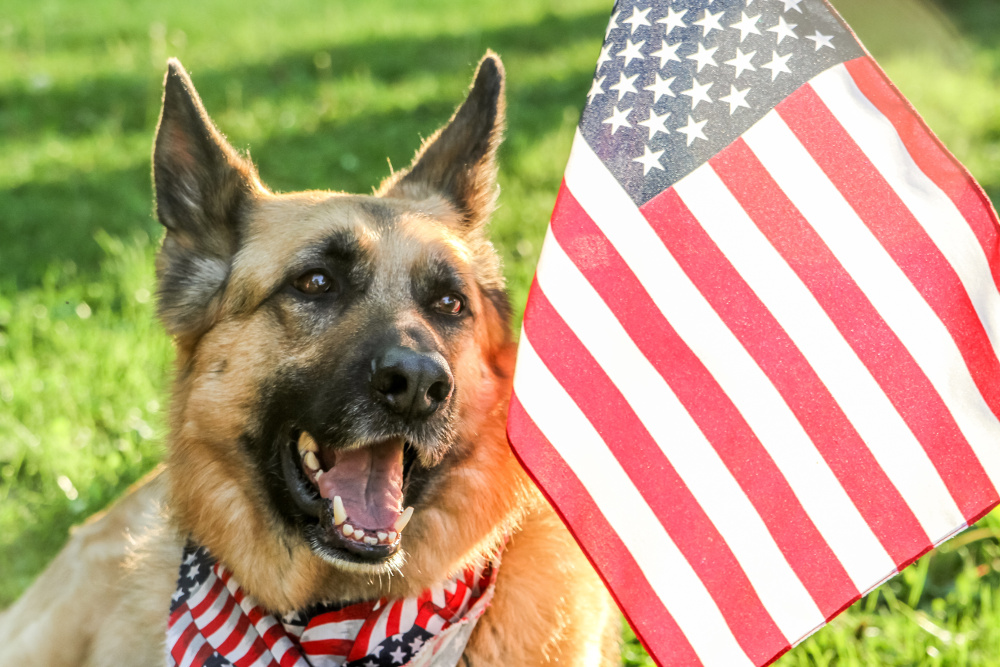
Training a service dog is a profound journey that transforms a willing canine into an indispensable partner for individuals with disabilities. This process is far more than teaching commands; it’s about forging a deep bond and equipping your dog with specialized skills to enhance independence and confidence. Unlike standard pet training, service dog training involves meeting rigorous behavioral and legal standards essential for their role. This guide will navigate you through the essential steps to cultivate a trusting partnership and empower both you and your dog.
Understanding the Role of a Service Dog
A service dog is a highly trained canine companion that performs specific tasks to assist individuals with disabilities. These tasks are directly tailored to the handler’s unique needs. For instance, hearing dogs alert their handlers to crucial sounds, while guide dogs assist visually impaired individuals in navigating their environment safely. Psychiatric service dogs offer support for mental health conditions like PTSD or OCD by tasks such as interrupting repetitive behaviors or reminding handlers to take medication. According to the Americans with Disabilities Act (ADA), a disability encompasses any mental or physical condition that substantially limits major life functions. Service dogs are legally defined as working animals, not pets, providing critical support that enables their handlers to live more independently and securely.
Key Tasks Performed by Service Dogs:
- Alerting handlers to medical episodes such as seizures or blood sugar fluctuations.
- Providing navigation assistance for the visually impaired.
- Offering physical support for balance and mobility.
- Interrupting maladaptive behaviors for individuals with conditions like autism or PTSD.
- Retrieving essential items and facilitating door operation.
The Process of Training a Service Dog
Training a service dog is a demanding yet deeply rewarding endeavor that requires unwavering patience, commitment, and consistency. This training extends beyond basic obedience, focusing on specialized task performance and impeccable public conduct to ensure the dog can effectively assist its handler in diverse situations.
Essential Training Stages:
1. Foundational Obedience
Begin by establishing core commands such as “come,” “stay,” “sit,” “heel,” and “down.” Your service dog must master these commands reliably, demonstrating responsiveness in both calm and distracting settings. This forms the bedrock of all subsequent training.
2. Specialized Task Training
The next crucial phase involves teaching your dog to perform tasks directly related to your specific disability. These can include:
- Medical Alert Tasks: Training the dog to recognize and alert to precursors of medical events like seizures, diabetic fluctuations, or allergic reactions.
- Psychiatric Support Tasks: Developing the dog’s ability to provide grounding during panic attacks, interrupt self-harming behaviors, or offer comfort during nightmares.
- Mobility and Physical Assistance Tasks: Teaching the dog to aid with balance, retrieve dropped items, or assist with opening and closing doors.
- Guidance Tasks: For visually impaired handlers, this involves training the dog to navigate obstacles and guide them safely.
3. Public Access Training
This stage focuses on ensuring your service dog behaves impeccably in public environments, including stores, public transport, and restaurants. Key aspects include:
- Maintaining composure amidst various distractions.
- Resting quietly beside or under a table.
- Walking politely on a leash without pulling.
- Disregarding food and people that are not part of their task.
- Practicing how to walk your dog without pulling is a crucial part of this training.
4. Socialization
Exposing your dog to a wide array of environments, sounds, people, and other animals is vital. A well-socialized service dog will remain calm and focused, even in crowded places, near loud noises, or in unfamiliar surroundings. This extensive exposure helps them adapt to the demands of public life.
Consistent practice and positive reinforcement, including praise, treats, and structured sessions, are fundamental to maintaining good behavior and task reliability. Training across diverse environments, exposing your dog to various stimuli, is key to their adaptability. Patience is paramount, as mastering these skills can take months or even years. Ensuring your dog is healthy, well-exercised, and properly nourished supports their overall performance and well-being. If you encounter significant challenges, seeking guidance from a certified service dog trainer can provide invaluable expertise.
Training a Service Dog: DIY vs. Professional
Deciding whether to train your service dog yourself or enlist professional help involves weighing several factors. DIY training can be cost-effective and allows for highly personalized training, strengthening the bond between you and your dog. However, it demands a significant time commitment and a solid understanding of dog behavior and training methodologies. Professional training offers expert guidance, often leading to a higher success rate and a dog that meets stringent standards. While more expensive, it can be a more reliable route for handlers who need a fully proficient service dog quickly. It’s important to consider how to train older dogs not to pull on the leash if you are considering adopting a mature dog for service work.
Identifying a Genuine Service Dog
The presence of a vest does not automatically signify a service dog, as federal law does not mandate vests or identification for them. While many handlers opt for vests to increase visibility and reduce public interaction, the vest itself is not a definitive indicator.
Characteristics of a True Service Dog:
- Exemplary Behavior: A genuine service dog exhibits consistent calmness and control, refraining from excessive barking or aggressive actions.
- Task Performance: They are trained to perform specific, disability-related tasks that directly assist their handler.
- Handler Focus: Service dogs remain focused on their handler, rather than seeking attention from strangers or becoming easily distracted.
- Public Access Rights: Under the ADA, they are granted access to public places where pets are typically prohibited. It’s also worth noting that how to stop your puppy biting the lead can be an early step in developing good leash manners for future service dog candidates.
Popular Breeds for Service Dog Training
While many breeds can be trained as service dogs, certain breeds possess inherent traits that make them particularly well-suited for the role, including temperament, intelligence, and a strong work ethic.
Top Service Dog Breed Candidates:
- German Shepherd: Known for loyalty, protectiveness, and suitability for mobility tasks.
- Border Collie: Highly alert and energetic, excellent for medical alert tasks.
- Labrador Retriever: Intelligent, friendly, and eager to please, making them highly trainable.
- Golden Retriever: Possesses a patient, gentle demeanor and exceptional trainability.
- Standard Poodle: Highly intelligent and often a good choice for individuals with allergies due to their hypoallergenic coat.
Other breeds, including mixed breeds, Boxers, and Dobermans, can also excel as service dogs, depending on their individual temperament and training. Understanding how to train small dogs to walk on leash can also be relevant, as smaller breeds can sometimes be suitable for specific service roles.
Frequently Asked Questions About Service Dog Training
How do I train my dog to become a service dog?
Start with mastering basic obedience, then progress to teaching specialized tasks tailored to your specific needs. Employ consistent positive reinforcement and expose your dog to diverse environments to ensure reliability and adaptability.
What can disqualify a dog from being a service dog?
A dog may be disqualified if it lacks adequate training, displays aggressive behavior, is uncontrollable, or fails to perform tasks that assist its owner with a disability.
Can service dogs be trained at home?
Yes, service dogs can be successfully trained at home with dedication, consistency, and appropriate training methods. However, the extensive training required, often spanning months or years for obedience, public behavior, and specialized tasks, leads many handlers to seek professional assistance.
How long does it typically take to train a service dog?
The training period for a service dog can range from six months to two years, contingent upon the dog’s aptitude and the complexity of the tasks it needs to learn.
Conclusion: Building a Partnership for Life
Training a service dog is a significant undertaking that requires dedication, specialized knowledge, and a deep understanding of your dog’s capabilities and needs. By following a structured approach that emphasizes basic obedience, task-specific training, public access skills, and socialization, you can cultivate a capable and reliable service animal. Remember that consistency, positive reinforcement, and patience are your greatest allies throughout this process. If you are considering how to train my dog as an emotional support dog, the principles outlined here provide a solid foundation. For those embarking on this rewarding journey, the partnership developed with a service dog offers unparalleled independence and companionship. If you’re considering professional facilities for training or boarding, explore high-quality commercial dog kennels designed for working dogs, which provide a safe and conducive environment for development and care.